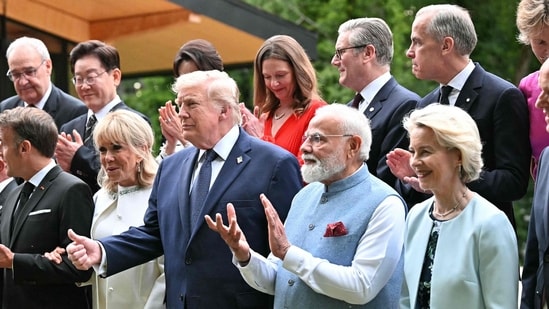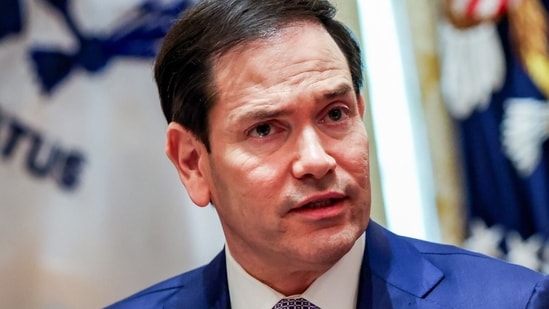
New Delhi is buzzing following a high-profile diplomatic visit that’s sending ripples across the Indo-Pacific. US Secretary of State Marco Rubio just wrapped up a four-day tour of India, a trip widely seen as Washington’s intricate dance to reaffirm key alliances and reset strategic priorities in a rapidly evolving global landscape. Coming hot on the heels of former President Donald Trump’s recent visit to China, Rubio’s India stop signals a calculated effort to demonstrate Washington’s balancing diplomacy.
Navigating Strained Waters
The relationship between the US and India, while fundamentally strong, has seen its share of bumps in the road lately. There’s been talk of “strained bilateralism,” a subtle tension that often arises from differing geopolitical priorities, trade disagreements, or perhaps even a perceived wavering of commitment from either side. This isn’t about conflict, but about ensuring that the foundational “convergence” of interests remains the cornerstone of this vital partnership.
Rubio’s visit, therefore, wasn’t just a routine stop. It was a strategic maneuver designed to iron out any wrinkles, reassure New Delhi of Washington’s steadfast commitment, and project an image of a united front in a region increasingly shaped by power dynamics. It was about listening, affirming, and setting a clear path forward.
The China Context: A Diplomatic Chess Match
The timing of Rubio’s visit is impossible to ignore. Former President Trump’s high-profile China engagement prior to Rubio’s arrival in India naturally raised questions about the US’s long-term strategy in Asia. Was Washington tilting too much towards Beijing? Was India still a top priority?
Rubio’s presence in India served as a powerful rebuttal to any such anxieties. It underlined that while diplomatic channels remain open with China, the US is simultaneously bolstering its alliances with democratic partners like India. This isn’t about choosing sides in a simplistic way, but about managing complex relationships simultaneously – a classic balancing act in high-stakes international relations. The message is clear: the Indo-US partnership is robust and essential, not an afterthought.
Reinforcing the Quad Alliance
A major focus of Secretary Rubio’s discussions undoubtedly centered on the Quad alliance, a strategic grouping comprising India, the U.S., Japan, and Australia. This informal but increasingly influential forum is designed to foster cooperation on shared interests, particularly in the Indo-Pacific, and promote a free, open, and rules-based international order.
For the Quad, Rubio’s visit was about injecting renewed vigor. Discussions would have focused on concrete steps to deepen collaboration, from joint maritime exercises that enhance interoperability to intelligence sharing and coordinated responses to regional challenges. Reinforcing the Quad is crucial for projecting stability and demonstrating a unified vision for regional security. It’s about more than just military drills; it’s about aligning on economic strategies, infrastructure development, and even humanitarian assistance and disaster relief efforts.
Indo-Pacific Imperatives: Security and Stability
The “shifting geopolitics in the Indo-Pacific” is not just a catchphrase; it’s a stark reality. The region faces a complex web of challenges, including territorial disputes, economic competition, and the growing assertiveness of certain regional powers. For both the US and India, ensuring “maritime security and defence” is paramount.
This involves safeguarding crucial sea lanes of communication, countering piracy and illegal fishing, and ensuring freedom of navigation. Rubio’s discussions would have explored avenues for increased defense cooperation, potential technology transfers, and closer coordination between the navies and air forces of both nations. The goal is to build a collective capacity to respond to threats and maintain a stable, secure environment where all nations can prosper.
Beyond Security: Shared Values and Economic Ties
While security is a significant driver, the Indo-US relationship is multifaceted. Discussions during Rubio’s visit would have also touched upon shared democratic values, which form the bedrock of their partnership. From climate change to global health, technology cooperation to trade, there are countless areas where India and the US can collaborate for mutual benefit and global good. Strengthening economic ties, promoting innovation, and facilitating people-to-people connections are all part of building a resilient, future-proof relationship.
Why This Matters
This diplomatic overture isn’t just about two nations talking. It’s a critical moment for global stability. A strong, cohesive partnership between the world’s oldest and largest democracies sets a powerful precedent for regional peace and economic prosperity. It ensures a robust counter-balance to unilateral ambitions, promotes a rules-based international order, and ultimately impacts everything from global supply chains to climate action. How the US and India navigate their convergence will significantly shape the geopolitical landscape for years to come.