
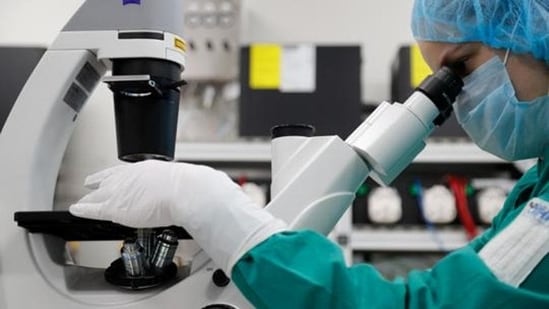
India’s long-standing reputation as the ‘pharmacy of the world’ is iconic. For decades, we’ve honed the intricate dance of global supply chains, navigated complex regulatory landscapes, and perfected high-precision manufacturing to deliver affordable medicines to millions across the globe. But, if you’re listening closely, the melody is changing. The conversation isn’t just about scaling existing solutions anymore; it’s about pioneering original discoveries, forging new pathways in biotechnology.
This isn’t just an aspirational thought; it’s a strategic pivot. Recent industry analyses underscore a fundamental shift in perspective. India isn’t merely looking to replicate or mass-produce; it’s actively seeking to institutionalize the entire cycle of original intellectual property (IP) creation. This means investing deeply in research and development (R&D), nurturing a vibrant culture of scientific inquiry, and fostering an ecosystem where groundbreaking ideas can flourish from lab bench to market.
Laying the Groundwork: Beyond the Blueprint
The journey towards original IP isn’t just a recent thought; it’s built on decades of foundational work and a quiet revolution within India’s scientific community. For years, Indian scientists and entrepreneurs have diligently worked on complex biotech problems, often with limited resources. The “proof of concept” phase for Indian-origin Intellectual Property, once a nascent aspiration, is now firmly established. We’re witnessing tangible breakthroughs across various sub-sectors.
From novel diagnostics that offer early detection for critical diseases to innovative drug discovery platforms leveraging genomics and AI, and even advanced agri-biotech solutions designed for sustainable food production – these aren’t merely incremental improvements. They represent foundational leaps, showcasing India’s inherent capacity for true originality and disruptive innovation. These successes build confidence and attract further investment, creating a virtuous cycle of growth and discovery.
Why Now? A Confluence of Catalysts
Several powerful forces are converging to make this not just a possibility, but an imperative for India. This isn’t a singular spark, but a perfect storm of opportunity:
* An Unmatched Talent Pool: India boasts an immense reservoir of highly skilled scientists, biotechnologists, engineers, and researchers. Many have gained invaluable experience from leading institutions and companies globally, bringing back cutting-edge knowledge and entrepreneurial zeal. This intellectual capital is the bedrock of any innovation economy.
* Digital Transformation as a Bedrock: Our robust digital infrastructure, widespread internet penetration, and massive data generation capabilities offer unparalleled advantages. This digital backbone is crucial for bioinformatics, AI-driven drug discovery, advanced clinical trial management, and precision medicine, accelerating R&D cycles significantly.
* A Maturing Startup Ecosystem: India’s startup landscape is booming, increasingly attracting significant domestic and international venture capital. This vibrant ecosystem is not just confined to IT; it’s actively fostering innovation across deep-tech sectors, with biotechnology seeing a significant surge in entrepreneurial activity and investment.
* Vast & Diverse Patient Base: India’s large and diverse population presents a unique advantage. It offers an unparalleled opportunity for studying disease prevalence, understanding genetic variations, and developing tailored medical solutions that are globally relevant, addressing unmet needs across different demographics.
* Strategic Policy Support: Government initiatives are playing a crucial role. Programs like ‘Make in India,’ ‘Startup India,’ and dedicated funding allocations for research and development (R&D) in life sciences are signaling strong political will and institutional support for indigenous innovation. These policies aim to create an enabling environment, reducing bureaucratic hurdles and incentivizing scientific breakthroughs.
Navigating the Roadblocks: Challenges and Solutions
While the momentum is undeniable, the path to becoming a global IP leader is not without its challenges. Addressing these systematically is key:
* Sustainable Funding Gaps: While venture capital interest is growing, sustained, long-term funding for deep-tech biotech – which often involves extended development cycles and high capital expenditure – remains a critical need. Public-private partnerships and increased institutional investment are vital.
* Infrastructure Enhancement: Building world-class research infrastructure, including state-of-the-art laboratory facilities, advanced bio-incubation centers, and animal research facilities, requires continuous investment and strategic planning.
* Evolving Regulatory Landscape: A clear, predictable, and agile regulatory framework is paramount. It must encourage rapid innovation while simultaneously ensuring rigorous safety, ethical standards, and efficient approval processes.
* Robust IP Protection: Strong enforcement of Intellectual Property rights is absolutely crucial. This protects innovators, attracts foreign investment, and assures startups that their groundbreaking work will be safeguarded.
* Strengthening Academia-Industry Linkages: Bridging the chasm between academic research and its commercial application remains an area for significant growth. Fostering stronger collaboration, joint research initiatives, and technology transfer mechanisms can accelerate the translation of scientific breakthroughs into market-ready products and solutions.
Global Reverberations and India’s Biotech Destiny
India’s emergence as a powerhouse for original biotech IP isn’t merely a matter of national economic growth or scientific prestige; it has profound global implications. Imagine a future where affordable, cutting-edge therapies and diagnostic tools, developed right here in India, become accessible to millions worldwide, particularly in underserved regions. Picture new, sustainable agricultural solutions born from Indian research, directly addressing global food security challenges and climate change impacts. This strategic pivot firmly positions India not just as a manufacturing hub or a service provider, but as a genuine global problem-solver, contributing fundamentally to human health, environmental sustainability, and overall well-being. It’s about owning the ‘discovery’ part of the equation, not just the ‘delivery’.
Why This Matters
The pivot towards original biotech IP marks a seismic shift for India. It’s about more than just economic growth; it’s about establishing self-reliance in critical healthcare areas, fostering a generation of scientific innovators, and ultimately, delivering groundbreaking solutions to some of humanity’s most pressing challenges. From new vaccines to sustainable agriculture, India’s intellectual contribution could reshape global futures.
The Road Ahead
The journey from mastering generics to pioneering originals is ambitious, but India is demonstrating clear intent and capability. With continued investment in R&D, nurturing a vibrant startup ecosystem, fostering strong academia-industry linkages, and building a robust IP protection framework, India is well on its way to cementing its position as a true innovation powerhouse in biotechnology. The future of medicine, sustainable living, and scientific discovery just might have a significant ‘Made in India’ stamp.