## Key Takeaways
– The Bombay High Court has set aside the Centre’s one-time spectrum charges levied on Bharti Airtel and Vodafone Idea.
– This ruling annuls all actions taken by authorities based on these disputed demands, offering significant relief to the telecom operators.
– The controversy stems from a post-2012 Supreme Court ruling on 2G spectrum and represents a resolution to a long-running “legacy dispute” in India’s telecom sector.
## Main Developments
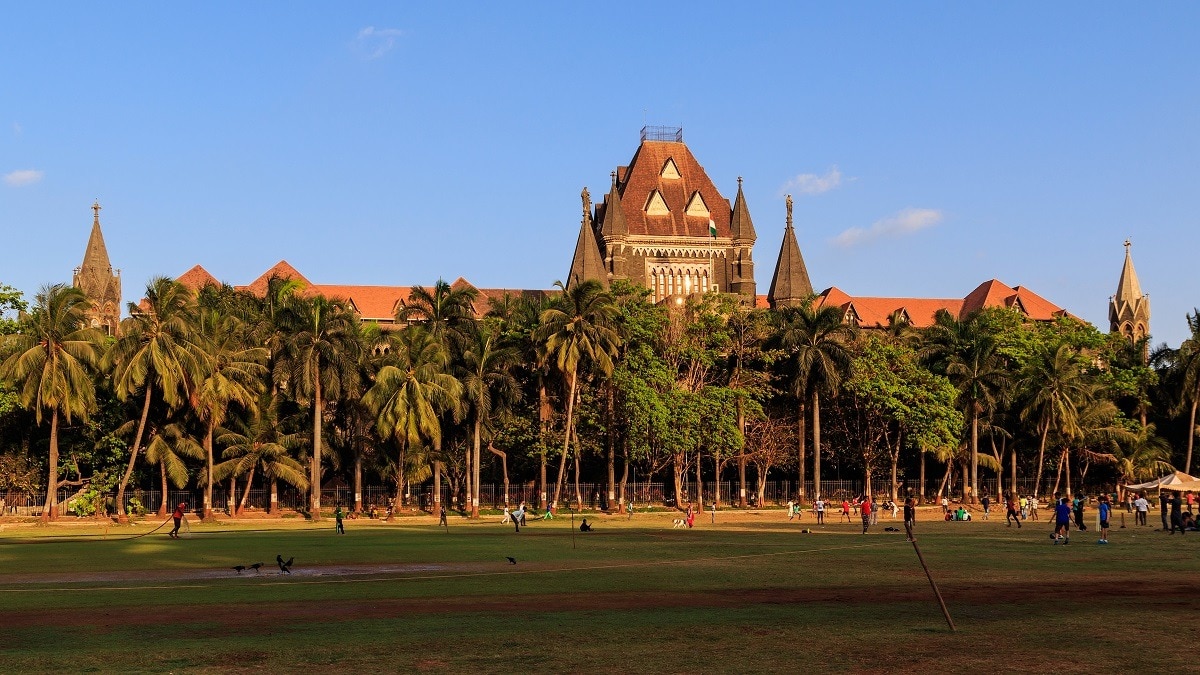
In a significant legal development for India’s telecommunications industry, the Bombay High Court has invalidated demands for one-time spectrum charges (OTSC) previously imposed by the Central government on telecom giants Bharti Airtel and Vodafone Idea. The court’s decision, announced recently, also nullifies all enforcement actions initiated by authorities that were predicated on these contentious demands. This outcome marks a substantial victory for both companies, bringing a lengthy and complex legal battle to a close.
The genesis of this dispute dates back more than a decade, following a pivotal judgment by the Supreme Court in 2012. That year, the apex court ordered the cancellation of 122 telecom licenses in connection with the widely publicised 2G spectrum allocation case. In the aftermath of this far-reaching decision, the government moved to impose a one-time spectrum charge on telecom operators. This levy was specifically targeted at those entities deemed to be holding spectrum beyond certain prescribed limits.
The imposition of these charges sparked considerable contention within the telecom sector, leading to legal challenges from various operators, including Bharti Airtel and Vodafone Idea. The core of the operators’ argument centered on the validity and applicability of such retrospective levies, especially in the context of their existing spectrum holdings.
This particular dispute is widely recognized as one of several “legacy disputes” that emerged during a transformative period for India’s telecom landscape. The sector was undergoing a fundamental shift, transitioning from an administrative model of spectrum allocation, where licenses and spectrum were assigned through government discretion, to a more transparent and market-driven auction regime. This overhaul, while aiming for greater fairness and efficiency, introduced considerable regulatory uncertainty and financial complexities for incumbent players and new entrants alike. Such transitions often lead to disagreements over past policies and their financial implications, with the one-time spectrum charge being a prominent example.
The Bombay High Court’s decisive action to set aside these demands provides clarity and considerable financial relief to Bharti Airtel and Vodafone Idea. By annulling the demands and any subsequent enforcement actions, the court has effectively removed a significant contingent liability that had been hanging over these companies for years. This resolution not only impacts the immediate balance sheets of the affected operators but also contributes to settling the broader regulatory framework governing spectrum usage and charges within the country. The judgment underscores the importance of legal recourse in resolving intricate disputes that arise from evolving regulatory environments and policy changes.
## Why This Matters
This ruling carries substantial implications for the Indian telecom sector and its key players. For Bharti Airtel and Vodafone Idea, it translates into significant financial relief by eliminating a potential multi-crore liability, thereby strengthening their balance sheets and improving their financial outlook. In an industry characterized by intense competition, high capital expenditure, and significant debt, the removal of such a burden can free up crucial resources for network expansion, technological upgrades, and service improvement.
Beyond the immediate financial impact on the two operators, the decision is crucial for fostering a more stable and predictable regulatory environment. The resolution of legacy disputes, like the one-time spectrum charge, provides greater certainty for businesses operating in a capital-intensive sector. This clarity can encourage future investments, both domestic and foreign, by reducing perceived regulatory risks. A stable policy landscape is vital for long-term planning and growth, benefiting not only the telecom companies but also the wider digital economy that relies on robust connectivity. It also reinforces the role of the judiciary in interpreting government levies and ensuring fair application of regulations, ultimately enhancing investor confidence in the Indian market.
## Frequently Asked Questions
###What was the Bombay High Court’s recent ruling regarding the telecom sector?
The Bombay High Court set aside the Central government’s demands for one-time spectrum charges (OTSC) that were imposed on telecom companies Bharti Airtel and Vodafone Idea. The court also annulled all actions taken by authorities based on these disputed demands.
###What prompted the imposition of these one-time spectrum charges?
The one-time spectrum charges were levied by the government following the Supreme Court’s 2012 decision to cancel 122 telecom licenses in the 2G spectrum case. The charges were specifically aimed at operators holding spectrum beyond prescribed limits.
###How does this decision impact Bharti Airtel and Vodafone Idea?
This ruling provides significant legal and financial relief to both Bharti Airtel and Vodafone Idea. It concludes a long-standing dispute, removes potential financial liabilities associated with the disputed spectrum charges, and enhances regulatory certainty for the companies.