## Key Takeaways
– Grasim Industries announced a significant ₹3,094 crore investment to expand its Lyocell fibre production.
– The expansion will add 110,000 tonnes per annum (TPA) of Lyocell capacity at its Harihar facility in Karnataka.
– This strategic move reinforces Grasim’s commitment to sustainable textile materials and will elevate its overall cellulosic fibre output beyond 1 million TPA.
## Main Developments
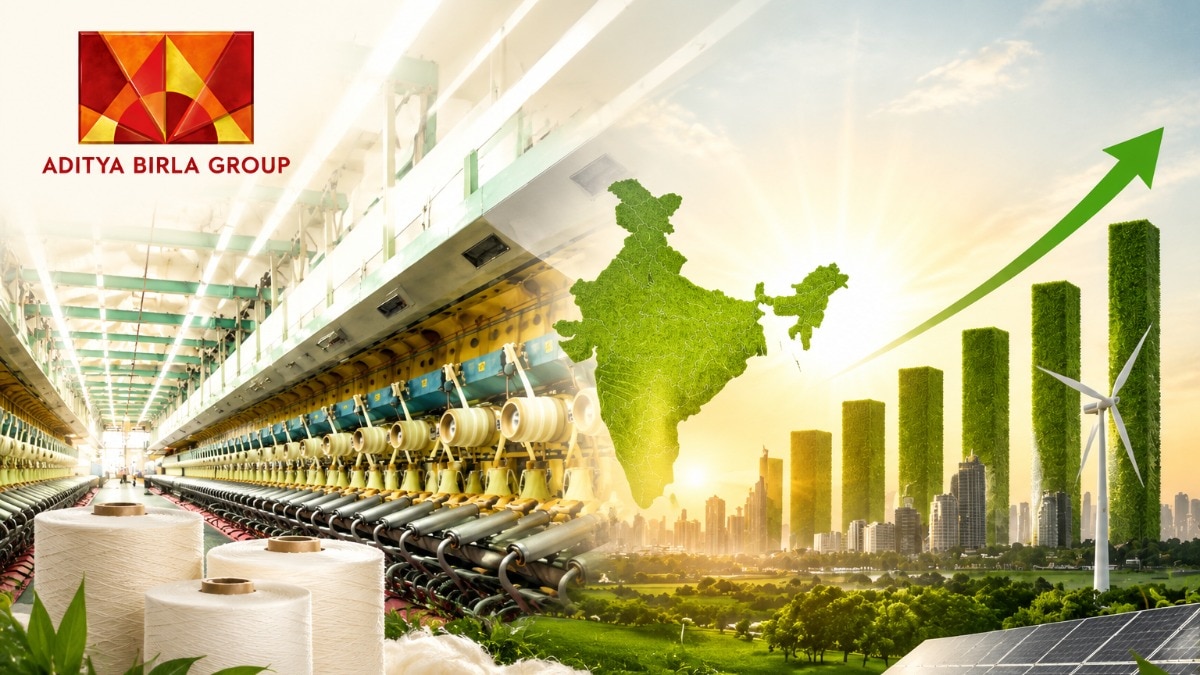
Grasim Industries, a flagship company of the Aditya Birla Group, recently announced a significant investment of ₹3,094 crore. This capital is allocated for a strategic expansion of its Lyocell fibre production capabilities at its facility in Harihar, Karnataka. The initiative underscores the company’s focused drive towards enhancing its portfolio of sustainable textile materials, a critical focus in the global fashion and textile sectors.
The planned Phase II expansion is set to introduce an additional 110,000 tonnes per annum (TPA) of Lyocell capacity. This will be realized through two new production lines, each contributing 55,000 TPA. The first line is anticipated to become operational in 2028, with the second line projected for completion by 2030, reflecting a multi-year commitment to this strategic growth area.
This investment is poised to significantly elevate Grasim’s overall cellulosic fibre production capacity. Upon the successful completion of Phase II, the company’s total output for cellulosic fibres is expected to surpass 1 million tonnes per annum, positioning Grasim as a major player in the sustainable fibre landscape and capable of meeting burgeoning market demand.
Kumar Mangalam Birla, Chairman of the Aditya Birla Group, characterized this investment as a “vote of confidence in India.” This statement highlights the broader economic implications of such substantial capital deployment, signaling a positive outlook on the nation’s industrial environment and its capacity to support large-scale manufacturing.
Lyocell fibre, central to this expansion, is recognized within the textile industry for its environmentally friendlier production process compared to some conventional fibres. Its increasing adoption by manufacturers and fashion brands is driven by growing consumer awareness and regulatory pressures for more sustainable product lifecycles. By expanding its Lyocell capacity, Grasim strategically aligns itself with these evolving market demands, positioning itself as a key supplier for a future-oriented textile industry.
The decision to invest heavily in Lyocell production at the Harihar plant also reflects a trend towards strengthening domestic manufacturing capabilities within India. Such investments contribute to technological advancement and job creation. The long-term nature of the commissioning schedule further emphasizes Grasim’s enduring commitment to this segment.
This expansion signifies a deeper commitment to innovation and sustainability in the textile value chain. The company’s emphasis on “sustainable textile materials” indicates an an understanding of the global shift towards responsible production and consumption. Investments in materials like Lyocell represent a tangible step towards mitigating the ecological footprint associated with textile manufacturing.
In essence, Grasim’s substantial investment in Lyocell fibre capacity is a multi-faceted strategic move. It reinforces the company’s dedication to sustainable practices, expands its industrial footprint, addresses evolving market demands for eco-friendly products, and signals confidence in India’s manufacturing capabilities and economic future.
## Why This Matters
This substantial investment by Grasim Industries carries significant implications. Economically, it injects considerable capital into India’s manufacturing sector, particularly in Karnataka, potentially fostering regional development and strengthening the industrial base. Environmentally, the focus on Lyocell fibre, known for its more sustainable production, aligns with global imperatives for greener manufacturing and reducing the textile industry’s ecological footprint.
Strategically, this expansion positions Grasim as a critical global supplier of sustainable textile materials, meeting escalating demand for eco-conscious options. Aditya Birla Group Chairman Kumar Mangalam Birla’s “vote of confidence in India” highlights the broader sentiment regarding the nation’s economic stability and attractiveness for long-term industrial investment, reinforcing India’s role as a hub for advanced, sustainable production.
## Frequently Asked Questions
###What is Lyocell fibre?
Lyocell is a type of rayon (regenerated cellulose fibre) made from wood pulp, valued for its strength, softness, and breathability. Its production process often uses a closed-loop system for solvents, contributing to its reputation as a more environmentally sound textile option.
###What does TPA stand for?
TPA is an acronym for Tonnes Per Annum. It is an industrial unit of measurement indicating the annual production capacity of a facility or for a specific material.
###Why are sustainable textile fibres important?
Sustainable textile fibres are crucial for mitigating the environmental impact of the fashion and textile industry. They typically require fewer resources like water and energy, and less harmful chemicals during production, addressing key concerns such as pollution, resource depletion, and climate change.