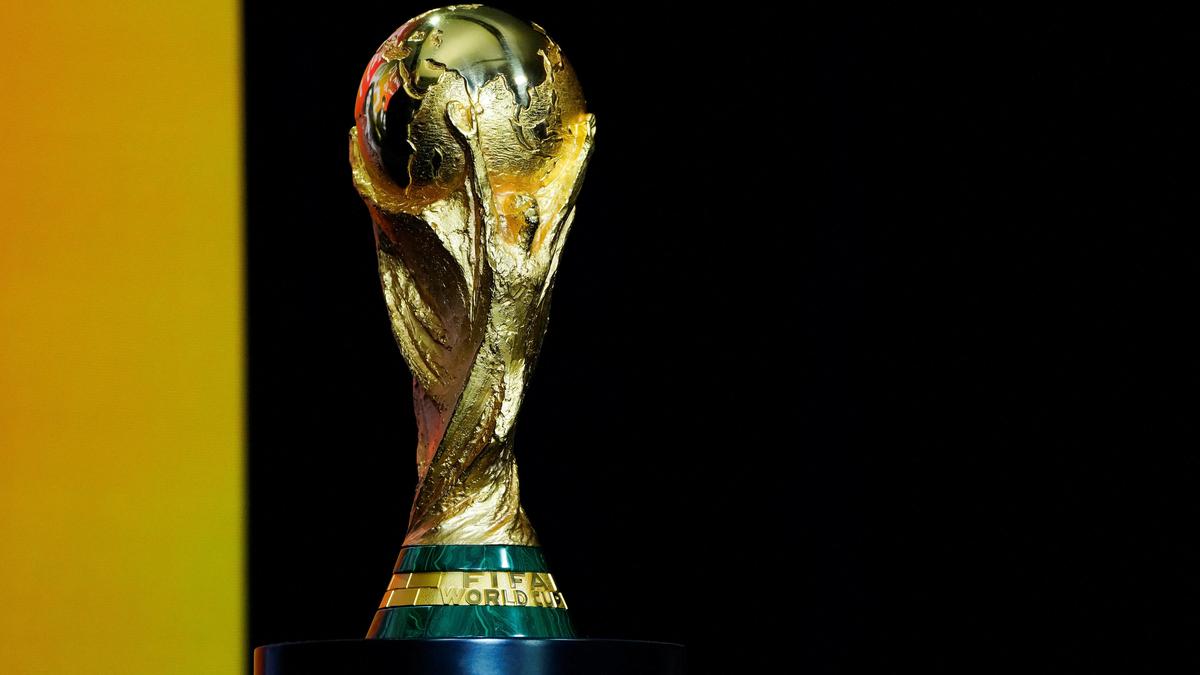
Get ready, football fanatics! The FIFA World Cup is coming to North America in 2026, with the U.S. hosting a significant portion of the matches across 11 vibrant cities. If you’re dreaming of cheering on your favorite team from the stands, now is the time to start planning your journey. Beyond securing those coveted match tickets, understanding the visa requirements and essential travel logistics is your first step to making that dream a reality.
This guide is your friendly, comprehensive walkthrough, ensuring you’re fully prepped for an unforgettable experience. Let’s kick off!
### Visa Vitals: What You Need to Know
First things first: most international visitors will need a valid U.S. visa or qualify under the Visa Waiver Program (VWP) to enter the United States. Don’t leave this until the last minute – processing times can vary wildly, especially with the surge of applications expected for a global event like the World Cup.
The B-2 Visitor Visa: This is your primary go-to for tourism, which includes attending sporting events. It’s for individuals who intend to visit the U.S. temporarily for pleasure. The B-2 visa typically allows stays of up to six months, though the exact duration is determined by the Customs and Border Protection (CBP) officer upon your arrival. Remember, this visa doesn’t allow you to work or study.
ESTA (Visa Waiver Program): Good news for citizens of certain countries! If your nationality is part of the Visa Waiver Program, you might be able to visit the U.S. for up to 90 days without a traditional visa. Instead, you’ll need to apply for an Electronic System for Travel Authorization (ESTA). This online application is generally quicker and simpler than a full visa process, but still requires approval *before* you travel. Ensure your passport is valid for at least six months beyond your intended stay and that you meet all VWP criteria. It’s crucial to apply for your ESTA well in advance, as last-minute applications can sometimes face delays.
When to Apply: As a golden rule, aim to apply for your visa or ESTA as early as possible. For the B-2 visa, consular sections can often schedule interviews several months in advance. The official advice is usually to apply at least three months before your planned travel, but for an event of this magnitude, consider starting your application process even earlier – perhaps 6 to 12 months out.
### The Visa Application Game Plan
Applying for a U.S. visa can seem daunting, but breaking it down makes it manageable. Here’s a step-by-step guide:
1. Complete the DS-160 Form: This online Nonimmigrant Visa Application Form is the cornerstone of your application. Fill it out accurately and completely. Any errors or omissions can cause delays. You’ll need details about your travel plans, personal history, employment, and family.
2. Pay the Visa Application Fee: Once your DS-160 is complete, you’ll need to pay the non-refundable visa application fee. The cost can vary, so check the latest fee schedule on your local U.S. Embassy or Consulate website. Keep your receipt!
3. Schedule Your Interview: After paying the fee, you can schedule your visa interview at the U.S. Embassy or Consulate closest to you. Interview slots can fill up fast, so booking early is non-negotiable for World Cup hopefuls.
4. Gather Required Documents: This is where preparation pays off. You’ll need:
* Your valid passport (with at least six months validity beyond your intended stay).
* Your DS-160 confirmation page.
* Your visa fee payment receipt.
* A 2×2 inch (5×5 cm) color photograph taken within the last six months.
* Proof of your intent to return to your home country (e.g., property deeds, family ties, employment letters).
* Financial proof (bank statements, pay stubs, sponsor letters) demonstrating you can cover your travel and stay expenses.
* Your detailed travel itinerary, including confirmed World Cup tickets, flight bookings (if available), and accommodation reservations.
* Any other supporting documents requested by the embassy.
### Acing Your Visa Interview
The interview is your chance to show the consular officer that you are a genuine visitor with no intention of overstaying your visit.
Be Prepared, Be Honest: Answer all questions truthfully and concisely. They want to understand your purpose for visiting, how you plan to finance your trip, and your ties to your home country.
Show Your Intent to Return: This is key. Emphasize your strong connections back home – family, job, property, ongoing responsibilities. Explain that your visit is solely for the World Cup and you intend to leave the U.S. after the event.
### Beyond the Visa: Your Travel Checklist
Visa secured? Fantastic! Now let’s talk about the rest of your World Cup adventure.
Flights & Accommodation: The U.S. is vast, and cities hosting matches will see massive demand. Book your flights and accommodation as soon as your match schedule is confirmed and your visa is in hand. Expect prices to surge, so early booking can save you a significant amount. Consider staying slightly outside major city centers and using public transport where available.
Travel Insurance: Do not skip this! Comprehensive travel insurance is essential. It should cover medical emergencies, trip cancellations, lost luggage, and any unforeseen circumstances. Healthcare in the U.S. can be very expensive without it.
Local Laws & Customs: Familiarize yourself with basic U.S. laws and local customs. Drinking age is 21 nationwide. Tipping is customary for services. Public consumption of alcohol laws vary by state and city, so always check local regulations.
Health & Safety: While the U.S. is generally safe for tourists, always be aware of your surroundings, especially in crowded areas. Keep an eye on your belongings, and have copies of important documents (passport, visa) stored separately or digitally. Research any recommended vaccinations for international travel, though none are typically mandated for U.S. entry from most countries.
Currency & Payments: The U.S. dollar is the official currency. Credit and debit cards are widely accepted, but it’s wise to carry some cash for smaller purchases or emergencies. Inform your bank of your travel plans to avoid card freezes.
Transportation within the U.S.: U.S. cities vary widely in their public transport infrastructure. Some, like New York, offer excellent subway systems, while others, like Los Angeles, are more car-dependent. Ride-sharing apps (Uber, Lyft) are prevalent. If you plan to rent a car, ensure you have a valid international driving permit alongside your domestic license.
### Essential Pre-Trip Prep
Beware of Ticket Scams: Only purchase World Cup tickets from official FIFA channels or authorized resellers. Be extremely wary of third-party websites or individuals promising deals that seem too good to be true.
Mobile Connectivity: Consider purchasing a local SIM card or an eSIM upon arrival for affordable data and calls. Many providers offer short-term tourist plans.
Emergency Contacts: Keep a list of emergency contacts, including your embassy, hotel, and travel insurance provider, both physically and digitally.
### Why This Matters
Attending a FIFA World Cup is a once-in-a-lifetime experience for many fans. By thoroughly preparing your visa application and travel logistics well in advance, you’re not just crossing items off a checklist – you’re safeguarding your dream trip. Avoiding last-minute stress, potential rejections, or travel hiccups allows you to fully immerse yourself in the excitement, the culture, and the beautiful game. Your proactive planning ensures your focus stays where it should: on enjoying every thrilling moment of World Cup 2026.