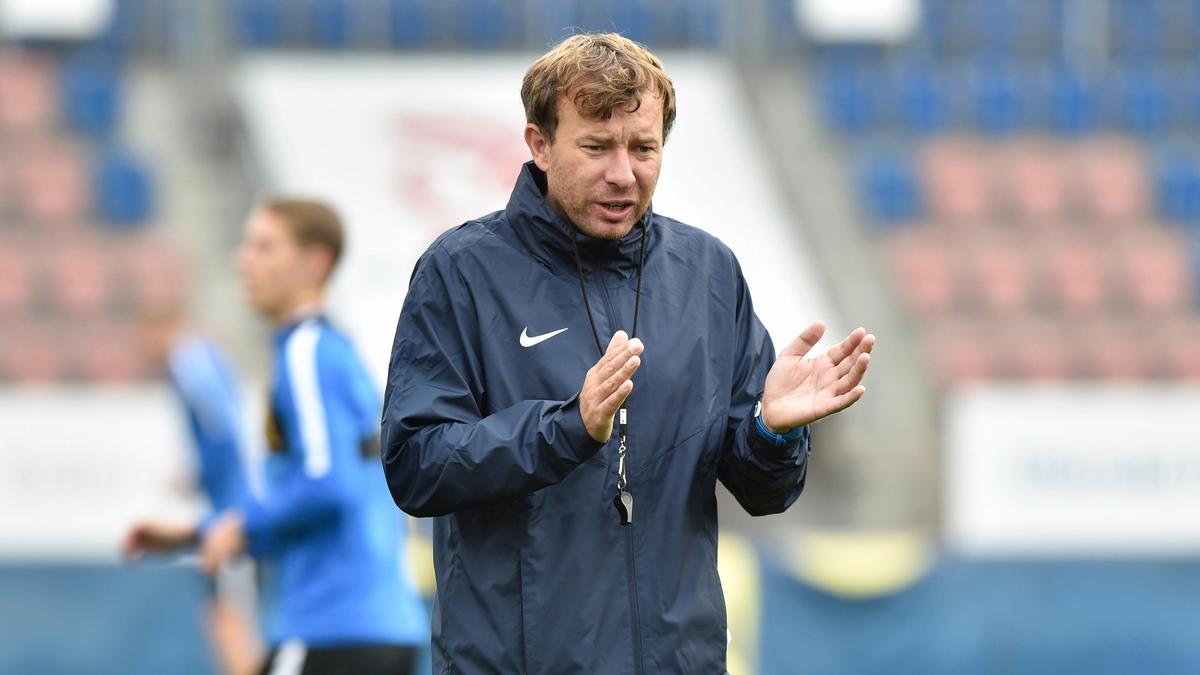
In a move that sends an undeniable message across the global football community, UEFA has handed down a lifetime ban to a Czech coach, following revelations he secretly filmed female players. The decision, stark in its finality, underscores European football’s governing body’s unwavering commitment to player safety, privacy, and the integrity of the sport itself. This isn’t just a disciplinary action; it’s a powerful statement of zero tolerance for the violation of trust and personal boundaries within the game.
### The Unfolding Scandal
The details remain unsettlingly clear: a coach, entrusted with the development and well-being of athletes, chose instead to engage in deeply inappropriate and illegal behavior. While specific names and further case details beyond the coach’s nationality remain under wraps in some reports, the core transgression is unambiguous: the secret filming of female players. This egregious breach of privacy and professional conduct necessitated an equally severe response, and UEFA has delivered just that. A lifetime ban means precisely what it says – a complete and permanent expulsion from any involvement in football under UEFA’s jurisdiction, effectively ending the individual’s career in professional football.
### UEFA’s Unwavering Stance
A lifetime ban is not a decision taken lightly. It signifies an offense so profound, so damaging to the sport’s ethos, that rehabilitation or a temporary suspension is deemed insufficient. It reflects UEFA’s clear position that certain actions are beyond redemption in the eyes of the governing body. This ruling serves as a potent deterrent, signaling to every coach, staff member, and official that abusing a position of power, particularly in a way that exploits or invades the privacy of athletes, will be met with the harshest possible consequences. The message is loud and clear: player welfare is paramount, and those who compromise it will find no place in the sport.
### Beyond the Pitch: The Breach of Trust
At the heart of any successful athletic endeavor, especially in team sports, lies an unbreakable bond of trust. Players must trust their coaches to guide them, protect them, and advocate for their best interests, both on and off the field. This incident shatters that trust in the most fundamental way. For female athletes, in particular, the breach of privacy can have profound and lasting psychological impacts. It can erode confidence, create a pervasive sense of vulnerability, and make them question the safety of environments that should be fostering their growth and empowerment.
The power dynamic between a coach and a player is inherently skewed. Coaches hold authority, influence, and often intimate knowledge of their players’ lives, training routines, and personal spaces. To exploit this power for illicit purposes is not merely a professional failing; it’s a moral one, striking at the very core of ethical leadership and mentorship.
### A Wider Lens: Athlete Safety and Safeguarding
This scandal unfortunately isn’t an isolated incident in the broader landscape of sports. Across various disciplines and regions, there have been increasing calls for greater safeguarding measures and accountability from those in positions of authority. The #MeToo movement has amplified voices and shed light on systemic issues of abuse and misconduct, making it impossible for sports organizations to ignore such transgressions.
UEFA’s decisive action aligns with a growing global commitment to protect athletes, particularly women and minors, from exploitation and abuse. It reinforces the idea that sporting success cannot come at the cost of personal dignity or safety. This ban will undoubtedly prompt deeper scrutiny of existing safeguarding protocols within clubs and national associations, encouraging a proactive approach to prevent such incidents rather than merely reacting to them. Training, awareness programs, and clear reporting mechanisms are essential tools to build truly safe environments.
### The Ripple Effect: Setting a Precedent
The implications of this lifetime ban extend far beyond the individual coach and the specific club involved. It establishes a significant precedent for future cases of misconduct. Any individual considering similar actions will now face the knowledge that UEFA will not hesitate to impose the most severe sanctions. This decision acts as a bedrock, solidifying the principles of respect, integrity, and safety as non-negotiable pillars of European football.
For the wider football community, it’s an opportunity for introspection. It demands that clubs and federations globally evaluate their vetting processes for staff, their codes of conduct, and the robustness of their support systems for players to report concerns without fear of reprisal. Transparency and accountability are no longer optional; they are imperative for maintaining credibility and earning the trust of athletes, parents, and fans alike.
### Why This Matters
This lifetime ban is more than just a punishment; it’s a powerful affirmation of core values. It sends an unequivocal message that privacy, respect, and safety for athletes are non-negotiable. It underscores the responsibility of governing bodies like UEFA to protect those who play the game, especially women, from abuse of power. This landmark decision helps set a higher standard for conduct in football, fostering a safer, more equitable environment for everyone involved.