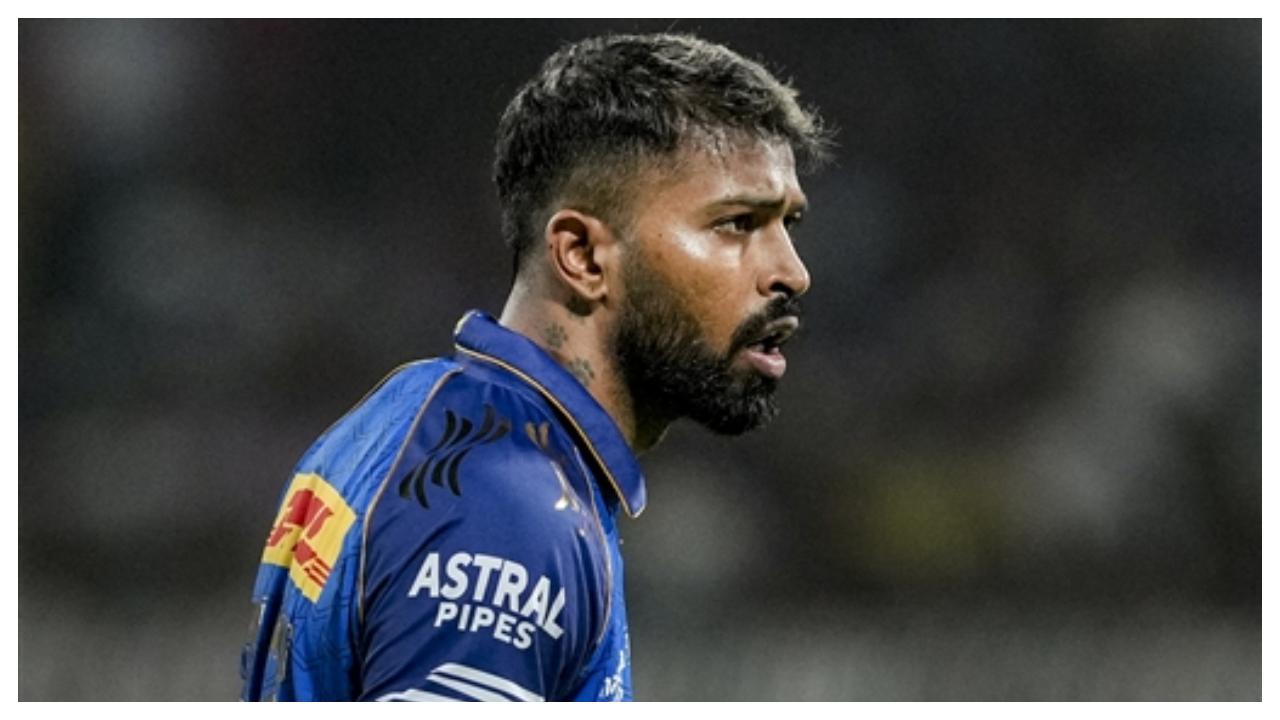
It’s been a season that Mumbai Indians fans would rather forget, and now, the aftermath promises to shake the very foundations of one of the IPL’s most successful franchises. Reports are swirling that Hardik Pandya’s much-debated tenure as captain is drawing to a swift close, following a catastrophic IPL 2026 campaign that saw the five-time champions crash out early and finish a dismal ninth.
The whispers from within the MI camp suggest a comprehensive overhaul is imminent, starting right at the top with the leadership. For a team synonymous with dominance and silverware, the thought of a complete reset is startling, yet perhaps, unavoidable given their recent performance woes.
### The Empire Crumbles
Mumbai Indians, a franchise built on a legacy of champions, finding themselves languishing at ninth position, losing 10 of their 14 group-stage matches, is nothing short of a sporting tragedy for their massive global fanbase. For six consecutive years, the coveted IPL trophy has eluded their grasp – a stark contrast to their glorious past that boasts five titles. This sustained period of underperformance, culminating in 2026’s spectacular collapse, has evidently pushed the management to the brink.
Hardik Pandya, a prodigal son who returned amidst much fanfare and controversy to take the captain’s armband from Rohit Sharma, found himself at the epicentre of fan scrutiny from day one. The weight of expectation was immense, not just to lead, but to revive the team’s fortunes. Unfortunately, the season unravelled rapidly, and the dream of a new era under his leadership quickly turned into a nightmare.
### A Season to Forget
The 2026 season was marked by a series of bewildering decisions, inconsistent performances, and a visible lack of synergy on the field. From the initial matches, where Pandya faced boos from his own home crowd, to the final, forgettable group-stage fixtures, the team never truly found its rhythm. As captain, Pandya was tasked with steering this ship, and while individual player performances contribute significantly, the ultimate responsibility for the team’s direction and on-field strategy falls squarely on the skipper’s shoulders.
The relentless pressure, the media glare, and the sheer disappointment radiating from the Mumbai Indians’ faithful have undoubtedly taken their toll. Finishing so far down the table is unacceptable for a team of MI’s stature and financial backing, making a shake-up an almost inevitable conclusion to a truly forgettable chapter.
### More Than Just the Skipper
However, recent reports from The Indian Express indicate that Pandya’s leadership, while a major point of concern, isn’t the sole issue plaguing the storied franchise. The deep dive into MI’s internal dynamics reveals a more complex web of problems that transcend the captaincy. Management is reportedly grappling with significant concerns that hint at deeper systemic issues within the squad.
One of the most alarming findings points to the “attitude of senior players.” In any high-performing team, the demeanour and leadership of experienced individuals are paramount. If senior players are seen as disengaged or unwilling to fully commit to the team’s vision, it can create a toxic environment that undermines morale and performance, especially for younger, impressionable squad members. This particular revelation suggests a potential lack of harmony and collective purpose, which could be far more damaging than any single tactical error.
### The Veteran Conundrum
The phrase “attitude of senior players” opens a Pandora’s box of questions. Was there a disconnect between the new captain and the established guard? Did some veterans struggle to adapt to Hardik’s style or vision? In cricket, particularly T20, team chemistry is as crucial as individual talent. If the locker room dynamics were off, it’s almost impossible for a team to perform cohesively on the field. This concern from management suggests a deeper fissure that a mere change of captain might not fully heal without a more extensive cultural shift or personnel changes.
### Adapting or Falling Behind
Beyond individual temperaments, the report also highlights critical tactical shortcomings. “Poor utilisation of the powerplay” is a glaring red flag in modern T20 cricket. The first six overs, with fielding restrictions, are crucial for setting the tone, building momentum, and scoring heavily. Failing to maximise this period puts immense pressure on the middle and lower order, often leading to sub-par totals or requiring heroic chases.
Furthermore, the management’s concern about the “failure to adapt to the modern T20 template” speaks volumes. T20 cricket has evolved rapidly, demanding fearless aggression, innovative shot-making, and dynamic fielding throughout the 40 overs. Teams that cling to outdated strategies or fail to embrace this aggressive, no-holds-barred approach often find themselves outmanoeuvred. For a franchise that prides itself on being at the forefront of the game, this tactical stagnation is a significant indictment.
### What’s Next for the Paltan?
With a “complete squad overhaul” on the cards, Mumbai Indians are facing a monumental task. This isn’t just about finding a new captain; it’s about reshaping the entire team culture, identifying players who fit the “modern T20 template,” and perhaps making some incredibly tough decisions about long-serving, but underperforming, veterans. The decisions made in the coming months will determine whether the Mumbai Indians can reclaim their status as a cricketing powerhouse or if they’re destined for a prolonged period in the wilderness.
For Hardik Pandya, this potential demotion marks a significant setback in his leadership journey. While his talent as an all-rounder remains undeniable, the captaincy saga has undeniably cast a shadow over his return to the Mumbai franchise. His future role within the team, and indeed his standing in Indian cricket, will be watched with keen interest as MI navigates these turbulent waters.
### Why This Matters
This isn’t just a story about a captaincy change; it’s a profound moment for one of cricket’s most iconic franchises. The potential removal of Hardik Pandya signals a desperate call for change after years of underperformance, challenging the very notion of how successful teams manage transitions and internal dynamics. For the Mumbai Indians, it’s a chance to rebuild and rediscover their winning ethos. For Hardik, it’s a critical juncture in his career. And for the IPL, it underscores the brutal, high-stakes nature of modern franchise cricket, where even the mightiest can fall, and reputations can be made or broken in a single season.