
Step into the vibrant world of Carnatic music, and you’ll quickly encounter names like Tyagaraja, Muthuswami Dikshitar, and Syama Sastri – the revered Trinity. But peel back another layer, and you’ll discover an even older, profoundly influential lineage: the Haridasas. These poet-saints, particularly from the 15th and 16th centuries, didn’t just compose music; they laid the very foundations upon which much of modern Carnatic music stands, forever embedding devotion and accessibility into its intricate fabric.
A Spiritual Symphony Ignited
The Haridasa movement, meaning “servants of Hari (Vishnu),” emerged from Karnataka as a powerful socio-religious and literary force. It championed devotion (Bhakti) to Vishnu through poetry and song, making complex philosophical ideas relatable to the common person. This wasn’t just about faith; it was a cultural revolution that democratized art and expression, shifting music from exclusive temple rituals to the streets and homes of ordinary people.
At the heart of this movement were giants like Purandara Dasa and Kanaka Dasa. Often referred to as the “Pitamaha” (father) of Carnatic music, Purandara Dasa’s prolific output and structured approach to teaching music are legendary. Kanaka Dasa, another revered figure, enriched the tradition with his soulful compositions and poignant narratives, often challenging societal norms.
Democratizing Divine Melodies
Before the Haridasas, much of classical music was dense, inaccessible, and often sung in Sanskrit, limiting its reach to scholarly elites. The Dasa movement changed this dramatically. They composed thousands of *devaranamas* (devotional songs) and *ugabhogas* (philosophical verses) in simple, conversational Kannada. This linguistic shift was revolutionary, inviting everyone, regardless of caste or education, to participate in the spiritual and artistic experience.
Their compositions were not merely simple in language; they were elegant in their musical structure, utilizing traditional ragas and talas but presenting them in a way that resonated deeply with the masses. The focus moved from complex theoretical displays to heartfelt expressions of devotion, making music a vehicle for spiritual awakening and personal connection with the divine.
Building Blocks of a Tradition
Purandara Dasa’s contribution goes beyond his compositions. He is widely credited with systematizing the teaching methodology of Carnatic music. He developed the fundamental exercises – *sarali varisai, janta varisai, alankaras* – which are still the bedrock of initial training for every aspiring Carnatic musician today. Imagine learning an art form and knowing that your first steps were designed by someone centuries ago, whose system has stood the test of time!
He meticulously blended folk tunes with classical forms, creating a vast repertoire that balanced melodic beauty with spiritual depth. This pedagogical framework provided a clear, progressive path for students, ensuring that the intricacies of Carnatic music could be grasped systematically. This structuring was crucial in preserving and propagating the art form through generations.
Beyond the Bhakti: A Social Echo
While devotion was central, the Haridasas were also social reformers. Their songs often critiqued social injustices, caste discrimination, and religious hypocrisy, advocating for equality and compassion. Kanaka Dasa’s famous composition, “Kula Kula Kulavendu Holuvaru,” questioned the obsession with caste, asserting that true divinity lies within every individual.
Their music, therefore, was not just entertainment or spiritual solace; it was a powerful commentary on contemporary society, fostering a sense of shared humanity and challenging restrictive dogmas. This fusion of art, spirituality, and social conscience gave their legacy an enduring relevance that transcends time and musical trends.
An Echo Through Time: Modern Resonance
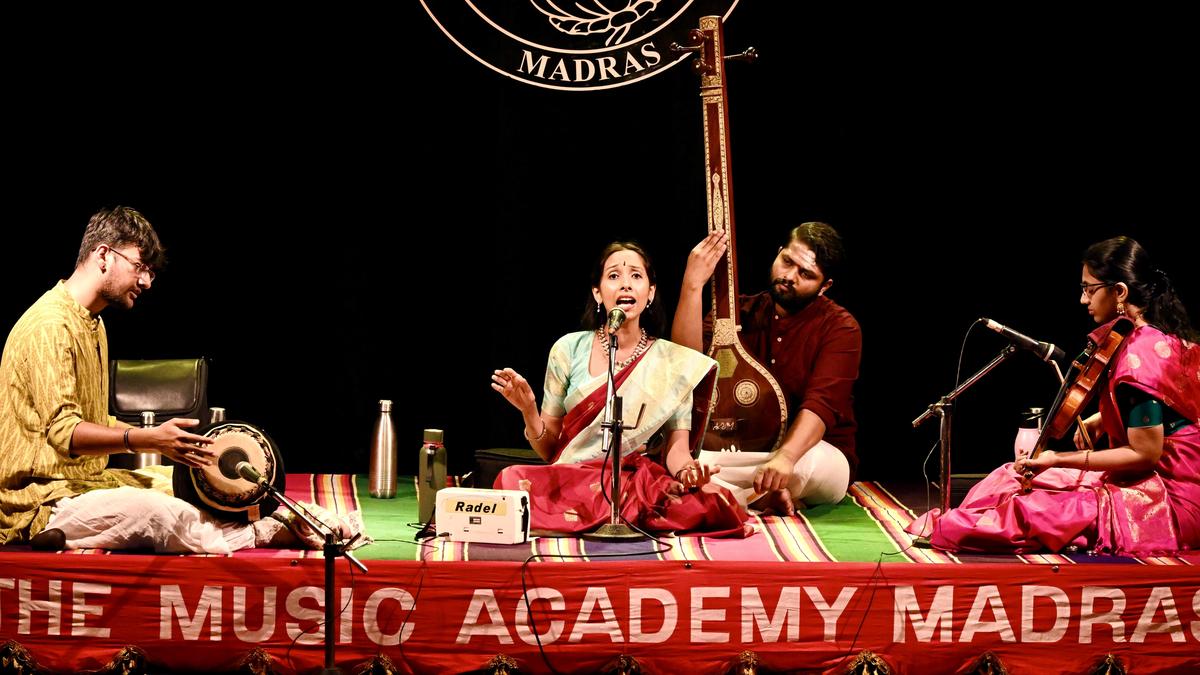
Today, the *devaranamas* of the Haridasas remain an integral part of Carnatic music concerts, dance performances, and daily devotional practices. Singers often begin their recitals with a Purandara Dasa composition, not just out of tradition, but because these pieces offer a perfect blend of melodic beauty, lyrical profundity, and spiritual energy.
Their influence extends to contemporary composers and musicians who continue to draw inspiration from their innovative spirit and devotional fervor. The simple, yet profound, beauty of their melodies continues to captivate audiences worldwide, reminding us of the timeless power of music to connect, uplift, and inspire.
Why This Matters
The Dasa legacy isn’t just a historical footnote; it’s the heartbeat of Carnatic music. Their efforts transformed a niche art form into a vibrant, accessible tradition, infusing it with devotion, structure, and social consciousness. Understanding their contributions helps us appreciate the depth and evolution of Carnatic music, recognizing the profound impact of these poet-saints whose melodies continue to resonate, teach, and inspire across centuries. They didn’t just compose songs; they shaped a culture.