## Key Takeaways
– Two-time Olympic medallist PV Sindhu was eliminated from the Indonesia Open in the Round of 16.
– Sindhu suffered a straight-games defeat (17-21, 14-21) to South Korea’s world No. 1 An Se Young.
– This marks Sindhu’s second consecutive loss to An Se Young in as many weeks, following a quarter-final exit at the Singapore Open.
## Main Developments
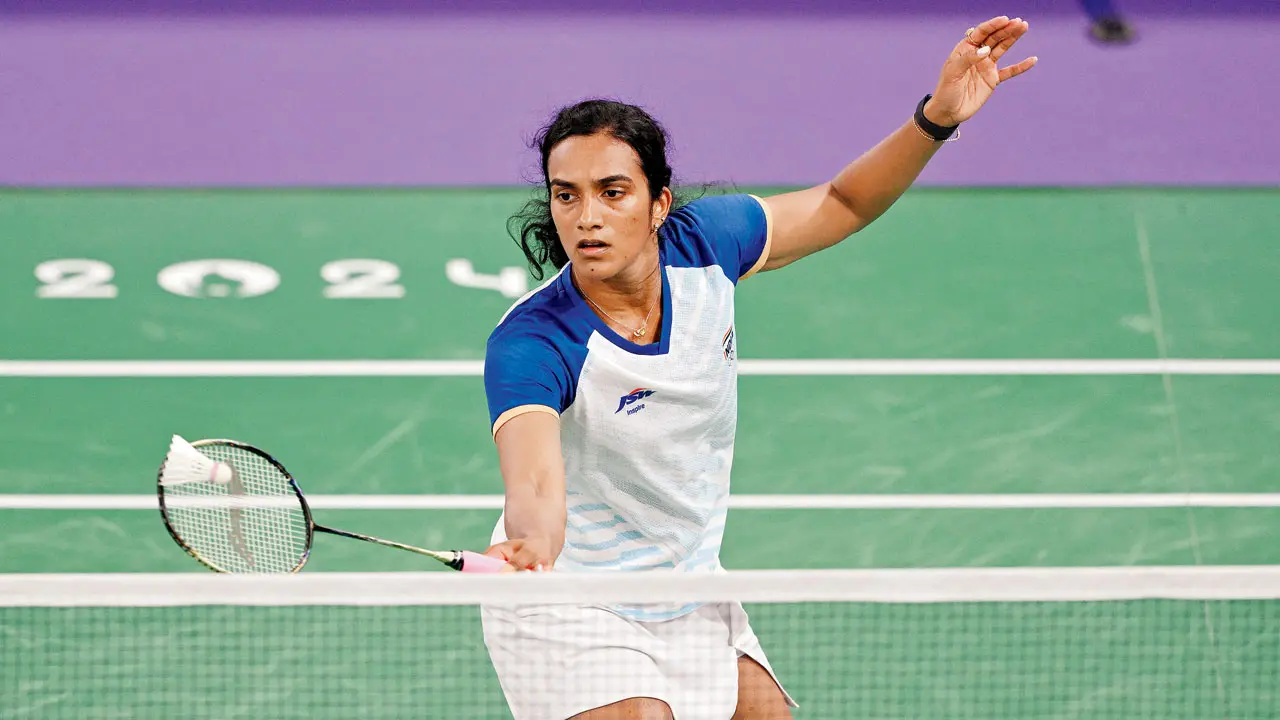
Jakarta, Indonesia – Indian badminton stalwart PV Sindhu, a celebrated two-time Olympic medallist, concluded her campaign at the Indonesia Open prematurely, bowing out in the Round of 16. Her journey in the prestigious tournament was halted by a formidable opponent, the reigning world No. 1, An Se Young of South Korea. The match, contested on Thursday, saw Sindhu succumb in straight games with a scoreline of 17-21, 14-21, marking a challenging phase for the accomplished athlete.
This encounter in Jakarta was not the first time Sindhu has faced the dominant South Korean talent in recent weeks. The defeat represents her second successive loss to An Se Young, following a similar outcome just last week at the Singapore Open, where Sindhu was eliminated in the quarter-final stage. This pattern underscores the consistent challenge posed by the world’s top-ranked player and highlights the competitive intensity at the pinnacle of international badminton.
The Indonesia Open stands as a significant event on the Badminton World Federation (BWF) calendar, drawing elite players from across the globe to compete for coveted titles and ranking points. For athletes like Sindhu, participation in such tournaments is crucial for maintaining competitive form, assessing progress, and building momentum within the demanding international circuit. An early exit, particularly in the Round of 16, means an athlete misses the opportunity to contest further into the latter stages, where the competition traditionally intensifies and the stakes grow higher.
PV Sindhu carries the considerable prestige of being a two-time Olympic medallist, an honour that places her among the most distinguished athletes in her sport. This esteemed status naturally brings with it high expectations from fans, critics, and herself at every tournament she enters. Her career has been marked by numerous triumphs on the global stage, solidifying her reputation as one of India’s most successful badminton players. Each performance, therefore, is scrutinised against a backdrop of past achievements and future aspirations.
Facing the world No. 1 is invariably one of the most demanding challenges in any sport, and badminton is no exception. An Se Young’s current top ranking signifies her exceptional skill, consistency, and tactical prowess, establishing her as the benchmark for excellence in women’s singles badminton globally. Matches against such high-calibre opponents often serve as crucial tests, revealing areas of strength and identifying aspects that require further refinement for any aspiring champion. For Sindhu, these recent encounters with An Se Young provide direct insights into the level currently required to dominate the sport.
The match progression, indicated by the scores of 17-21 and 14-21, suggests a contest where An Se Young maintained a consistent edge. While the provided details mention Sindhu “showed spark but only in patches,” this description points to moments where her renowned attacking play and defensive capabilities were evident. However, the inability to sustain these periods of brilliance against a player of An Se Young’s calibre ultimately impacted the outcome. In elite badminton, maintaining high levels of focus and performance throughout both games is paramount, as even brief lapses can be exploited by an opponent of such formidable standing.
A straight-games defeat in professional badminton can be indicative of several factors. It often suggests that one player was able to dictate the tempo and control the rallies for the majority of the match, preventing their opponent from building significant momentum or forcing a decider. The margins in top-level badminton are frequently fine, with a few crucial points often determining the winner of a game. When those key moments consistently go to one player, it can quickly lead to a two-game victory.
The recurring nature of the defeat to An Se Young—first in the quarter-finals of the Singapore Open and now in the Round of 16 of the Indonesia Open—establishes a challenging head-to-head dynamic. Such repeated losses to the same opponent can become a significant mental and strategic hurdle for any player. It prompts a deeper analysis of game plans, tactical approaches, and physical conditioning to find ways to counter a specific opponent’s strengths and exploit any potential weaknesses. This ongoing competitive narrative between Sindhu and An Se Young will likely be a point of interest in future tournaments.
For a player of Sindhu’s stature, consistent progression deep into major tournaments is often the goal, not just for ranking points but also for building confidence and demonstrating readiness for higher stakes events. While the defeat at the Indonesia Open marks an end to her participation in this specific event, it also provides valuable competitive experience against the very best, which can be critical for development and adaptation in the long term. The international badminton circuit is relentless, with tournaments following one another in quick succession, demanding continuous peak performance.
The atmosphere of a major international tournament like the Indonesia Open, hosted in a badminton-loving nation such as Indonesia, adds another layer to the competitive experience. Athletes navigate not just their opponents but also the pressure of a large, often passionate, crowd. Performing under such conditions, especially against the top player in the world, is an integral part of an athlete’s journey, testing their mental fortitude as much as their physical skill. Sindhu’s career has shown her ability to thrive under pressure, and these matches continue to add to that rich experience.
In essence, PV Sindhu’s exit from the Indonesia Open in the Round of 16 against world No. 1 An Se Young, following a series of challenging encounters, highlights the intensely competitive landscape of professional badminton. It underscores the continuous need for adaptation and peak performance required to consistently contend at the very highest levels of the sport.
## Why This Matters
This development is significant because it involves a prominent figure in global badminton, two-time Olympic medallist PV Sindhu, exiting a major international tournament prematurely. Her loss to the world No. 1, An Se Young, not only curtails her progression in the Indonesia Open but also marks her second consecutive defeat to the top-ranked South Korean player within a short span. For fans and observers of badminton, it highlights the intense competitive environment at the sport’s elite level and provides insight into Sindhu’s current form against the best in the world. Such outcomes shape competitive narratives and influence expectations for future tournaments involving these high-profile athletes.
## Frequently Asked Questions
Who eliminated PV Sindhu from the Indonesia Open?
PV Sindhu was eliminated by South Korea’s An Se Young, who is currently ranked as the world No. 1.
What was the score of the match between PV Sindhu and An Se Young?
The score of the Round of 16 match was 17-21, 14-21 in favour of An Se Young.
Had PV Sindhu recently played An Se Young before the Indonesia Open?
Yes, this was Sindhu’s second successive defeat to An Se Young, having also lost to her in the quarter-finals of the Singapore Open last week.