The final season of *The Boys* has landed, and much like the show itself, it’s a chaotic, explosive, and ultimately deeply human experience. After years of shocking twists, gratuitous gore, and razor-sharp social commentary, the battle between Billy Butcher and Homelander – the beating, black heart of the series – finally reaches its bloody conclusion. And while it doesn’t achieve the flawless perfection of a *Breaking Bad* finale, it gracefully sidesteps the bitter disappointment that plagued *Game of Thrones’* final bow, delivering an ending that is both predictable in its core conflict and profoundly satisfying in its execution.
The End of the World (As We Know It)
From its inception, *The Boys* carved out a niche by deconstructing the superhero mythos with brutal honesty and often hilarious cynicism. Season 5 was tasked with not just concluding the epic feud between Karl Urban’s grim, supe-hating vigilante Billy Butcher and Antony Starr’s terrifyingly charismatic Homelander, but also wrapping up the complex narratives of Starlight, Hughie, Mother’s Milk, Frenchie, Kimiko, The Deep, A-Train, and the rest of the twisted crew. The weight of expectation was immense, and thankfully, Eric Kripke and his team largely delivered.
This season dials up the stakes, the personal costs, and the sheer audacity that fans have come to expect. Every character is pushed to their breaking point, forced to confront the consequences of their choices and the corrupting nature of power, whether it comes from Compound V or the halls of government.
Butcher and Homelander: A Dance of Death
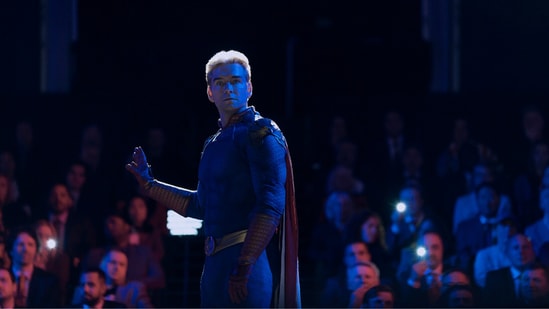
The core of *The Boys* has always been the dark mirror reflection between Butcher and Homelander. One driven by a visceral hatred for Supes, the other a god-complex-ridden dictator demanding unquestioning worship. Their final confrontation is less about a single climactic battle and more about the culmination of their intertwined destinies. Urban delivers a performance steeped in a raw, palpable desperation, his Butcher a man teetering on the edge of utter self-destruction, yet still clinging to a sliver of humanity. Starr, meanwhile, remains utterly mesmerizing as Homelander, effortlessly switching between fragile vulnerability, entitled petulance, and outright monstrousness. His control over a terrifyingly susceptible public is chillingly relevant, a masterclass in portraying a modern-day demagogue.
The brilliance here is that the ending of their saga, while perhaps foretold in the earlier seasons, never feels cheap. It’s earned through five seasons of escalating psychological warfare, personal tragedies, and moral compromises. The emotional weight of their ultimate fate resonates deeply, providing a catharsis that is both earned and devastating.
The Ensemble Steps Up
While Butcher and Homelander dominate, the final season gives ample space for the rest of the phenomenal cast to shine. Erin Moriarty’s Starlight continues to be the moral compass, her journey from naive hero to hardened resistance fighter reaching a poignant zenith. Jessie T. Usher’s A-Train finds unexpected depths, grappling with his complicity and yearning for redemption in a system that offers none. Laz Alonso’s Mother’s Milk carries the heavy burden of his family’s legacy, grounding the fantastical chaos with relatable paternal struggles. Even characters like Colby Minifie’s Ashley Barrett, perpetually stressed and ethically compromised, get moments that highlight the toll of serving a tyrant. The ensemble’s performances collectively elevate the sometimes-bonkers plot into something genuinely compelling.
The Imperfect Yet Satisfying Balance
The “imperfect” aspect of the ending lies in a few areas. Some minor plot threads feel a tad rushed or tied up a little too neatly, particularly concerning characters outside the immediate core group. The pacing, especially in the middle episodes, occasionally stutters as it juggles multiple storylines. Fans hoping for an entirely unexpected, mind-bending twist in the final moments might find some elements a touch conventional.
However, these are minor quibbles in the grand scheme. The “satisfying” comes from the profound emotional resolutions offered to the main players. Character arcs are respected and completed in ways that feel authentic, even when tragic. The show doesn’t shy away from its darker themes, nor does it betray the subversive spirit that made it so unique. It delivers on its promise to pull back the curtain on superhero celebrity, corporate greed, and the dangers of unchecked power, leaving viewers with plenty to chew on long after the credits roll.
Why This Matters
*The Boys* ending isn’t just the conclusion of a popular TV show; it’s a significant moment in the superhero genre’s evolution. In an era often fatigued by cape-and-cowl fatigue, *The Boys* consistently dared to ask “what if?” – What if superheroes were real, and they were awful? Its finale solidifies its legacy as a show that wasn’t afraid to be ugly, satirical, and deeply human, forcing us to look at our own heroes and the institutions we blindly trust with a much more critical eye. It proves that even in a world of laser eyes and super strength, the most compelling stories are often about power, corruption, and the fight for a soul.
The Verdict
While it may not achieve the mythic status of an untouched classic like *Breaking Bad*’s final run, *The Boys* season 5 confidently delivers a conclusion that is miles away from the widespread dissatisfaction of a *Game of Thrones* finale. It’s a messy, cathartic, and ultimately resonant farewell that honors its characters and its uncompromising vision. A must-watch for anyone who’s been on this wild ride.