
## Key Takeaways
– Gullak Season 5 explores the evolving landscape of India’s middle class through the everyday lives of the Mishra family.
– The series incorporates modern elements like Wi-Fi and refreshed aesthetics, signifying aspiration and change within the household.
– Strong, warm performances from the ensemble cast, particularly Jameel Khan and Geetanjali Kulkarni, anchor the show’s relatability.
## Main Developments
The much-anticipated fifth season of SonyLIV’s web series, Gullak, returns, offering viewers another glimpse into the lives of the quintessential Mishra family. Directed by Shreyansh Pandey and Abhay Raut, this latest installment continues its narrative tradition of finding poignant moments within the mundane, earning a three-star rating from critics. The series is celebrated for its ability to portray the nuances of middle-class life in India, a theme that reportedly underpins the core of its latest offering.
A central observation regarding the new season highlights its focus on the “evolving face of India’s middle class.” This overarching theme is reportedly encapsulated in a specific conversation between Shanti Mishra, portrayed by Geetanjali Kulkarni, and her husband, Santosh, played by Jameel Khan. This interaction is framed as a key moment that beautifully captures the subtle yet significant shifts experienced by families navigating a changing socio-economic landscape. The series, through such intimate exchanges, continues to resonate with a broad audience that identifies with the challenges, aspirations, and everyday triumphs of the Mishra household.
One of the prominent features distinguishing this season, as noted by reviewers, is the introduction of “fresh paint” and “Wi-Fi” into the Mishra home. These seemingly minor updates serve as powerful symbols of progress and modernization within the context of a middle-class family. “Fresh paint” not only suggests an aesthetic refresh for the physical setting of the series but also hints at a desire for renewal, a sense of pride in one’s surroundings, and perhaps a fresh outlook for the family members themselves. It’s an indicator of the small, tangible improvements that families strive for, reflecting a wish for betterment and a contemporary feel in their daily lives.
Similarly, the arrival of “Wi-Fi” is far more than just a technological upgrade. In an Indian middle-class setting, Wi-Fi represents connectivity to a wider world, access to information, entertainment, and potentially new opportunities. It symbolizes the family’s gradual embrace of digital transformation, a phenomenon that has profoundly impacted households across the country. The integration of Wi-Fi into the Mishra family’s life can be interpreted as a subtle nod to how modern amenities are becoming indispensable, changing communication patterns, leisure activities, and even educational pursuits within the home. These elements collectively contribute to the season’s portrayal of a middle class that is adapting to new realities while holding onto its core values.
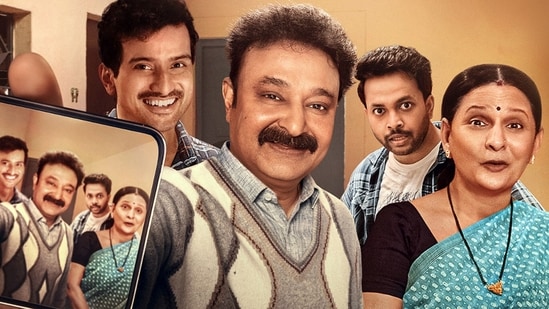
The strength of Gullak has always been its ensemble cast, and the fifth season reportedly continues this tradition with “warm performances” from the Mishra family. Geetanjali Kulkarni, in her role as Shanti Mishra, and Jameel Khan, as Santosh, are particularly highlighted for their contributions. Their portrayals are crucial in bringing authenticity and emotional depth to the characters, making their struggles and joys feel genuinely relatable. Kulkarni’s ability to convey a myriad of emotions through nuanced expressions and Khan’s grounded performance reportedly solidify the on-screen chemistry that forms the backbone of the family’s interactions.
Beyond the central couple, the series also features strong supporting performances from Anant V Joshi and Harsh Mayar, who play the Mishra sons, further enriching the family dynamic. Their characters often represent the younger generation’s aspirations and conflicts, acting as a foil to their parents’ more traditional outlook, yet ultimately bound by strong familial ties. The cast also includes Helly Shah, Sunita Rajwar, and Gopal Datt, whose contributions are integral to building the vibrant and believable world of the Mishra household. The collective talent of these actors is instrumental in translating the often-unspoken emotions and everyday humor that characterize the series, creating an inviting and familiar atmosphere for the audience.
Despite these enhancements and strong performances, the review characterizes Gullak Season 5 as a “safe, predictable season.” This assessment suggests that while the series maintains its established charm and narrative style, it may not venture into dramatically new territory or introduce radical plot twists. For loyal viewers, this predictability can be a comforting aspect, offering a consistent and reliable viewing experience. It implies a continuation of the gentle, slice-of-life storytelling that has garnered the show a dedicated following, rather than a departure into more experimental or risk-taking narratives. The safety in its approach likely ensures that the show remains true to its essence, providing a sense of familiarity that many viewers appreciate in an evolving content landscape.
The blend of subtle modernization—symbolized by the “fresh paint” and “Wi-Fi”—with the enduring warmth of the Mishra family’s performances ensures that Gullak Season 5 remains a character-driven narrative. The directors, Shreyansh Pandey and Abhay Raut, are credited with upholding the series’ established tone and aesthetic, allowing the performances to shine and the thematic explorations to unfold naturally. This approach reinforces the show’s reputation for authenticity and its capacity to tell universal stories through the specific lens of an Indian middle-class family.
Ultimately, Gullak Season 5 is presented as a continuation of a beloved saga, offering a comforting yet observant look at life’s simple complexities. The three-star rating signifies a solid, enjoyable watch that delivers on its promise of warmth and relatability, even if it adheres to a tried-and-tested formula. It’s a testament to the fact that sometimes, the greatest appeal lies in the familiar, especially when presented with genuine performances and a keen eye for the evolving realities of everyday life.
## Why This Matters
Gullak Season 5’s continued success and its focus on the “evolving face of India’s middle class” highlight the universal appeal of relatable family narratives. The series resonates deeply with audiences by mirroring the subtle yet impactful changes occurring in countless households. The inclusion of elements like Wi-Fi and home improvements isn’t just about plot points; it reflects real-world aspirations and the gradual modernization experienced by many families. This allows viewers to see their own lives and challenges reflected on screen, fostering a sense of connection and understanding. For content creators, it underscores the value of authentic storytelling centered on everyday experiences rather than sensationalism. Furthermore, the emphasis on “warm performances” demonstrates that genuine acting and strong character development remain paramount in captivating and retaining an audience, proving that a show doesn’t need constant dramatic upheaval to be compelling and meaningful.
## Frequently Asked Questions
What is Gullak season 5 primarily about?
Gullak season 5 centers on the daily lives of the Mishra family and their experiences, specifically exploring the evolving landscape and aspirations of India’s middle class, as seen through their interactions and their home’s subtle upgrades like fresh paint and Wi-Fi.
Who are the main cast members in Gullak season 5?
The main cast includes Jameel Khan as Santosh Mishra, Geetanjali Kulkarni as Shanti Mishra, Anant V Joshi, and Harsh Mayar as their sons. Other notable cast members are Helly Shah, Sunita Rajwar, and Gopal Datt.
What is the critical reception of Gullak season 5?
Gullak season 5 received a three-star rating, with reviewers noting its “fresh paint, Wi-Fi and warm performances of Mishra family” elevate a “safe, predictable season,” while capturing the “evolving face of India’s middle class.”