
## Key Takeaways
– Actor Lalit Parimoo attributed the commercial failure of the 2012 film *Agent Vinod* to lead actors Saif Ali Khan and Kareena Kapoor Khan.
– Parimoo claimed “excessive interference” from the star couple prevented director Sriram Raghavan from realizing his intended cinematic vision.
– These allegations surfaced during an interview on Siddharth Kannan’s podcast, highlighting internal creative struggles within the film’s production.
## Main Developments
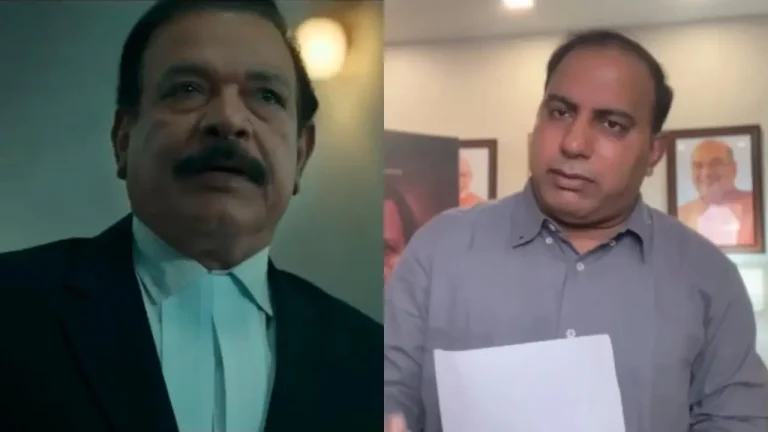
Actor Lalit Parimoo has openly attributed the commercial underperformance of the 2012 film *Agent Vinod* to its lead stars, Saif Ali Khan and Kareena Kapoor Khan. Parimoo, who also featured in the Sriram Raghavan directorial, recently made these claims during an appearance on Siddharth Kannan’s podcast. According to Parimoo, the primary reason for the movie’s failure was “too much interference” from Khan and Kapoor, which he asserted ultimately derailed the project.
Parimoo’s statements suggest that the creative vision of director Sriram Raghavan was significantly compromised due to this alleged interference. He elaborated that Raghavan was unable to execute the film in the manner he had originally intended, hinting at a divergence between the director’s artistic objectives and the influence exerted by the lead actors. This situation, as described by Parimoo, culminated in the film’s disappointing box office run.
*Agent Vinod*, a spy thriller, was a highly anticipated release upon its debut in 2012, primarily due to the star power of Saif Ali Khan and Kareena Kapoor Khan, who were also a prominent real-life couple at the time. The film aimed to deliver a sophisticated take on the spy genre, directed by Sriram Raghavan, known for his distinctive style in thrillers such as *Ek Hasina Thi* and later *Badlapur* and *Andhadhun*. Despite the high expectations, the film did not achieve the desired commercial success.
The dynamics of creative control and decision-making on a film set are complex, often involving a delicate balance between a director’s artistic vision, a producer’s financial considerations, and the influence of lead actors. Directors are typically seen as the primary creative force, responsible for translating the script into a visual narrative and guiding performances. Their vision is central to the integrity and coherence of the final product. However, lead actors, especially those with significant star power, frequently bring their own perspectives and leverage their influence, which can sometimes lead to creative adjustments or even conflicts.
When an actor of Parimoo’s stature, who was part of the production, speaks about such internal dynamics, it offers a rare glimpse into the challenges faced behind the scenes. His assertion that the director “couldn’t make it that way” he wanted points to a potential power struggle or significant creative differences that impacted the film’s direction. In the high-stakes environment of large-budget productions, such interventions, if they indeed occurred as alleged, can alter a film’s narrative, pacing, or even its core thematic elements, potentially alienating both the original creative team and the eventual audience.
The financial performance of a film is influenced by a multitude of factors, ranging from script quality and direction to marketing, release strategy, and audience reception. While a film’s box office outcome can be attributed to any number of these elements, an actor’s direct accusation of “interference” from co-stars introduces another layer to understanding a project’s struggles. This implies that factors beyond traditional creative or commercial assessments might have played a role in *Agent Vinod*’s failure to connect with viewers as anticipated.
Parimoo’s revelations, made publicly on a podcast, underscore the lasting impact that creative disagreements can have on a film’s legacy and the perceptions of those involved. Even years after a film’s release, the debate over what went wrong, and who might have been responsible, can persist. Such discussions also highlight the ongoing conversation within the film industry about maintaining artistic integrity in the face of commercial pressures and the influence of star power.
The incident serves as a reminder of the collaborative yet often hierarchical nature of filmmaking. While collaboration is essential, clearly defined roles and respectful communication are crucial for a smooth production process and for ensuring that the director’s singular vision can be effectively realized. When these balances are disrupted, as Parimoo alleges occurred with *Agent Vinod*, the outcome can be detrimental to the film’s quality and its commercial prospects. The actor’s comments offer a specific account of how internal creative struggles can manifest and potentially contribute to a film’s overall reception.
## Why This Matters
This revelation by Lalit Parimoo is significant for several reasons, shedding light on the often-opaque processes of filmmaking and the challenges inherent in large-scale productions. For audiences, it provides a rare, insider perspective on why a film with significant star power and an acclaimed director might not live up to expectations. Understanding the alleged internal creative struggles can inform how viewers perceive and analyze film failures, moving beyond simple critiques of acting or plot to consider broader production dynamics.
For the film industry, Parimoo’s claims underscore the perennial tension between artistic vision and commercial demands, particularly when prominent actors wield considerable influence. It highlights the importance of creative autonomy for directors and the potential pitfalls when that autonomy is perceived to be compromised. Such discussions are vital for fostering environments where creative integrity is protected, potentially leading to better quality cinema and more consistent artistic outcomes.
Moreover, this incident contributes to a broader dialogue about accountability in filmmaking. When a film underperforms, the reasons are often complex and multifaceted. An accusation of specific interference from lead actors brings a particular factor into sharp focus, prompting reflection on how responsibilities are distributed and managed within a production. It challenges the romanticized notion of filmmaking as a purely collaborative art, revealing the power dynamics that can shape a final product. This ongoing conversation is crucial for the evolution and improvement of the cinematic landscape.
## Frequently Asked Questions
Who made the allegations regarding *Agent Vinod*?
Actor Lalit Parimoo, who was also a part of the film’s cast, made these allegations.
Who were the lead actors allegedly responsible for the interference?
Parimoo specifically blamed lead actors Saif Ali Khan and Kareena Kapoor Khan for the alleged interference.
What was the alleged impact of this interference on the film?
According to Lalit Parimoo, the alleged interference led to the film’s box office failure and prevented director Sriram Raghavan from making the film as he originally intended.