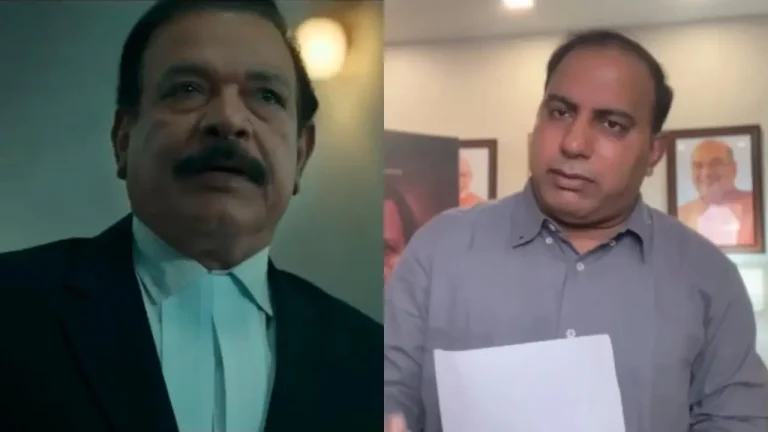
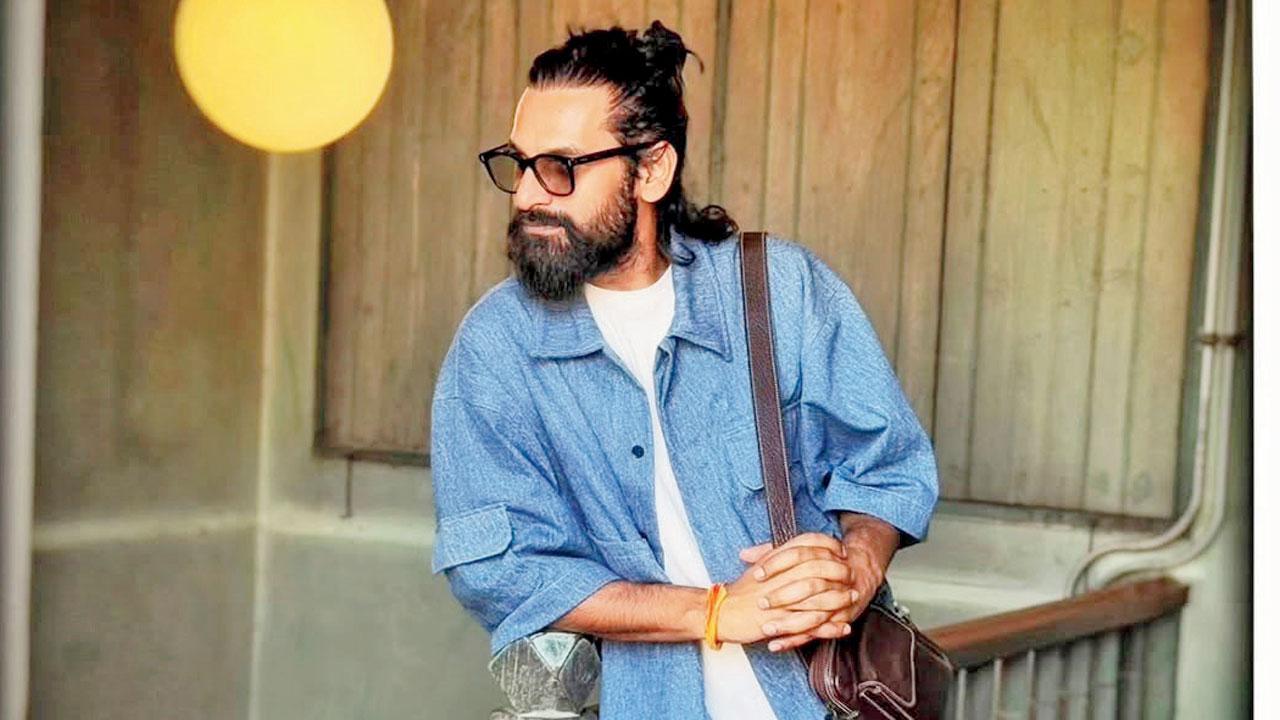
A significant development has emerged from the heart of Bollywood, sending ripples through the industry. Saini S Johray, the production designer behind the high-profile film *Dhurandhar*, has been found guilty of sexual molestation following an extensive internal investigation by the film’s production house, B62 Studios. The verdict, delivered in late March 2026, has led to immediate consequences, including the removal of Johray’s credits from the latest OTT version of the Ranveer Singh-led two-part feature.
This isn’t just another industry rumour; it’s a concrete action taken by a major studio even before any potential police involvement, underscoring a growing commitment to workplace safety and accountability in Indian cinema.
The Allegations Surface
The journey to this verdict began late last year. In October 2025, a crew member bravely brought a complaint of sexual harassment against Saini S Johray to B62 Studios. Johray, known for his work on *The Family Man* among other projects, suddenly found himself at the centre of a serious inquiry.
Sources close to the production house, co-owned by filmmaker Aditya Dhar and producer Lokesh Dhar, confirmed that the studio wasted no time in activating its Prevention of Sexual Harassment (POSH) Committee. This immediate response highlights a proactive stance, a crucial shift in how such sensitive matters are handled in an industry often plagued by power imbalances.
A Deep Dive: The Internal Investigation
What followed was a rigorous and thorough six-month investigation. The POSH Committee, mandated by Indian law to ensure safe workplaces, launched into action, meticulously gathering evidence and testimonies. This wasn’t a rushed affair; the process was designed to be comprehensive and fair, reflecting the gravity of the allegations.
“The POSH committee did a thorough investigation, given the sensitivity of the matter and the production house’s no-tolerance policy towards harassment,” a source revealed. This statement speaks volumes about the studio’s commitment to upholding a safe working environment and addressing grievances seriously. Such internal probes are vital for maintaining trust and ensuring that victims feel safe enough to come forward.
For six months, the committee delved into the specifics, adhering to protocols designed to protect all parties while seeking the truth. The length of the investigation itself indicates the depth and seriousness with which B62 Studios approached the complaint, ensuring no stone was left unturned.
The Verdict and Its Immediate Fallout
By late March 2026, the investigation concluded, and the POSH Committee delivered its verdict: Saini S Johray was found guilty of sexual molestation. The decision was swiftly followed by significant professional repercussions.
In a powerful demonstration of their “no-tolerance policy,” B62 Studios moved to immediately remove Johray’s name from the credits of *Dhurandhar*. This isn’t a mere slap on the wrist; for anyone in the film industry, losing credit on a major production is a substantial professional blow, impacting reputation, future opportunities, and public perception. The move sends an unmistakable message that such conduct will not be tolerated and will carry severe consequences within their production framework.
The timing of this action, ahead of any potential external legal action or public outcry, underscores the studio’s internal accountability and commitment to justice for the alleged victim.
Setting a Precedent in Bollywood?
This case isn’t just about one individual or one film; it signals a potential shift in Bollywood’s often-criticized handling of sexual harassment allegations. For too long, the industry has faced accusations of sweeping such matters under the rug or protecting powerful figures. The #MeToo movement brought many of these systemic issues to light, demanding greater transparency and accountability.
B62 Studios’ decisive action, based on an internal investigation and resulting in tangible professional consequences, could serve as a vital precedent. It reinforces the idea that production houses have a moral and legal obligation to thoroughly investigate complaints and take appropriate action. This commitment fosters a safer environment for crew members and talent, particularly those who might otherwise feel powerless.
The incident highlights the growing importance of robust POSH committees within every production house, ensuring that complaints are handled professionally, impartially, and with the necessary urgency and confidentiality.
Why This Matters
This story isn’t just about a film designer losing his credits; it’s about the ongoing, crucial battle for workplace safety and accountability in every industry, particularly one as influential and high-profile as entertainment. It demonstrates that internal mechanisms, when properly utilized, can deliver justice and consequences, regardless of external pressures. For victims of harassment, it offers a ray of hope that their complaints will be heard, investigated, and acted upon, fostering a culture where integrity and respect are paramount. It’s a clear signal that the days of silence and impunity in Bollywood are hopefully, definitively, behind us.