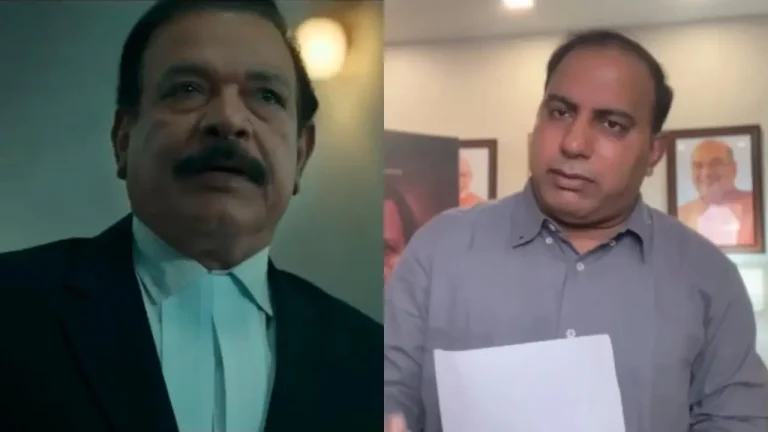
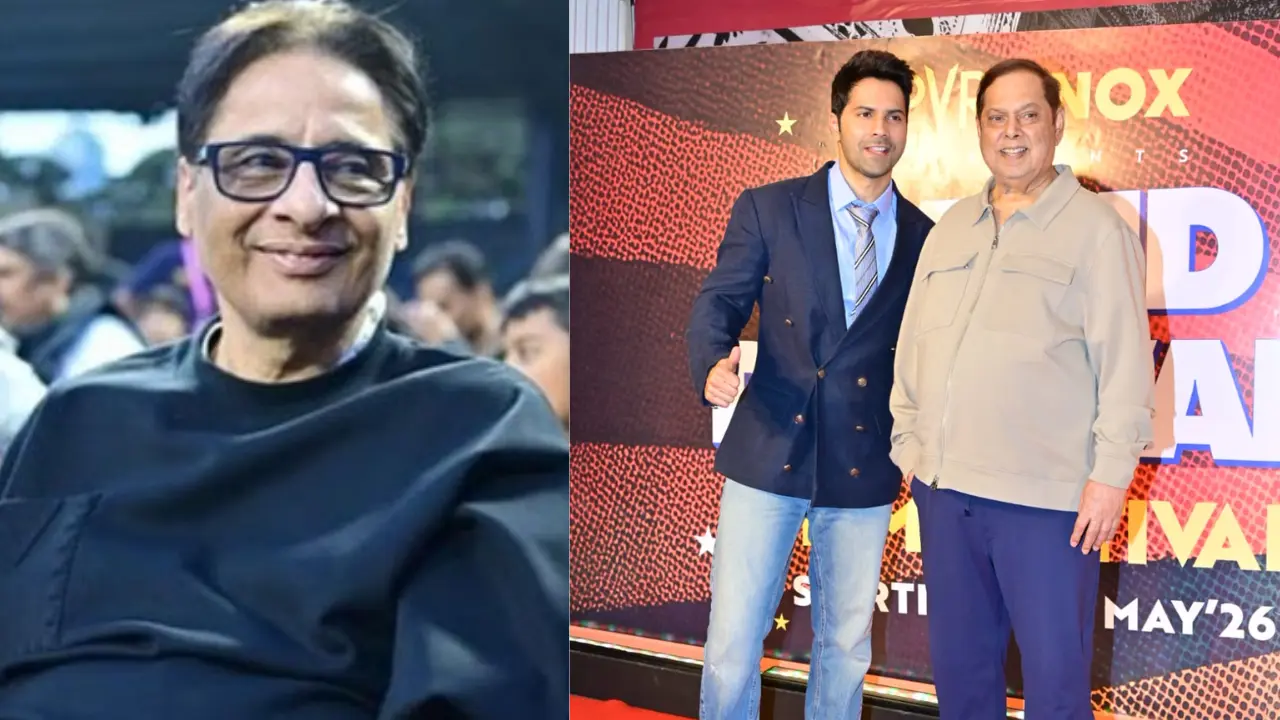
Get ready for some serious legal drama unfolding in Bollywood! In a move that’s sent ripples across the industry, veteran producer Vashu Bhagnani has dropped a bombshell – a whopping Rs 400 crore lawsuit against music powerhouse Tips Industries, its promoters Ramesh and Kumar Taurani, and even acclaimed filmmaker David Dhawan. The core of this high-stakes battle? Alleged unauthorized use of two beloved, iconic songs from Bhagnani’s 1999 superhit *Biwi No. 1*.
The Heart of the Dispute
At the center of this massive legal challenge are the unforgettable tracks “Chunnari Chunnari” and “Ishq Sona Hai.” According to Bhagnani’s production house, Pooja Entertainment, these songs – originally central to the success of *Biwi No. 1* – have been re-imagined and incorporated into the upcoming film *Hai Jawani Toh Ishq Hona Hai* without a single green light or permission from the original creators. This isn’t just a minor disagreement; it’s a full-blown copyright infringement claim that could reshape how Bollywood approaches song recreations.
A Familiar Tune, A New Conflict
For years, the trend of recreating classic Bollywood songs has been a double-edged sword. While it breathes new life into old melodies and introduces them to a younger generation, it also frequently sparks debates over originality, creative rights, and fair compensation. This particular lawsuit, however, elevates the discussion to an entirely new level, putting a colossal monetary value on the intellectual property at stake.
Pooja Entertainment, spearheaded by Vashu Bhagnani, has not only filed the staggering Rs 400 crore suit but is also seeking an immediate stay on the release of *Hai Jawani Toh Ishq Hona Hai*. If granted, this could halt the film’s entire promotional and distribution schedule, causing significant financial implications for its makers.
The Power Players in the Legal Ring
Let’s talk about the key figures caught in this legal whirlwind:
* Vashu Bhagnani & Pooja Entertainment: A titan in Bollywood production, Bhagnani has been behind numerous blockbusters, including *Biwi No. 1*. His company’s claim highlights a strong stance on protecting its creative catalog and the legacy of its productions.
* Tips Industries & The Tauranis: Ramesh and Kumar Taurani’s Tips Industries has been a dominant force in the Indian music industry for decades, known for owning a vast library of music rights. Being on the receiving end of such a large lawsuit from a fellow industry veteran is certainly a significant moment for them.
* David Dhawan: This is where things get particularly interesting. David Dhawan directed *Biwi No. 1*, the very film from which the disputed songs originate. Now, he finds himself named in the lawsuit filed by the producer of that same film. His involvement in *Hai Jawani Toh Ishq Hona Hai*, or perhaps his alleged knowledge or participation in the recreation, forms a crucial aspect of Bhagnani’s claim. Given Dhawan’s long-standing relationships within the industry, his inclusion adds another layer of complexity to this already intricate dispute.
The Iconic Tracks: More Than Just Music
“Chunnari Chunnari” and “Ishq Sona Hai” aren’t just songs; they’re cultural touchstones. Featured prominently in *Biwi No. 1*, starring Salman Khan, Karisma Kapoor, Sushmita Sen, and Anil Kapoor, these tracks became instant hits, defining a significant era of Bollywood music. “Chunnari Chunnari,” in particular, is synonymous with dance floors and celebratory moods, its vibrant energy etched into the memory of millions. For Bhagnani, these aren’t just assets; they’re part of his legacy and the brand value of Pooja Entertainment. The alleged recreation without permission isn’t just a financial slight but, arguably, an affront to that legacy.
What’s Next for Bollywood’s Tune-Tussle?
As the industry watches with bated breath, this lawsuit is expected to kick off a complex legal battle. The courts will now need to deliberate on the specifics of copyright ownership, the exact nature of the recreation in *Hai Jawani Toh Ishq Hona Hai*, and whether the necessary due diligence and permissions were indeed overlooked. The outcome could set a powerful precedent for how song rights are handled in Bollywood moving forward, especially concerning the popular trend of revamping old hits.
Why This Matters
This isn’t just about two songs or one film. This monumental Rs 400 crore lawsuit sends a clear message across Bollywood: intellectual property rights are not to be taken lightly. In an era where content is king and nostalgia drives much of the entertainment industry, protecting original creative works is paramount. The resolution of this case will undoubtedly influence future collaborations, licensing agreements, and the overall landscape of music rights in Indian cinema, potentially ushering in an era of stricter compliance and greater respect for creative ownership. For fans and filmmakers alike, it’s a stark reminder that behind every catchy tune, there’s a complex web of rights and responsibilities.