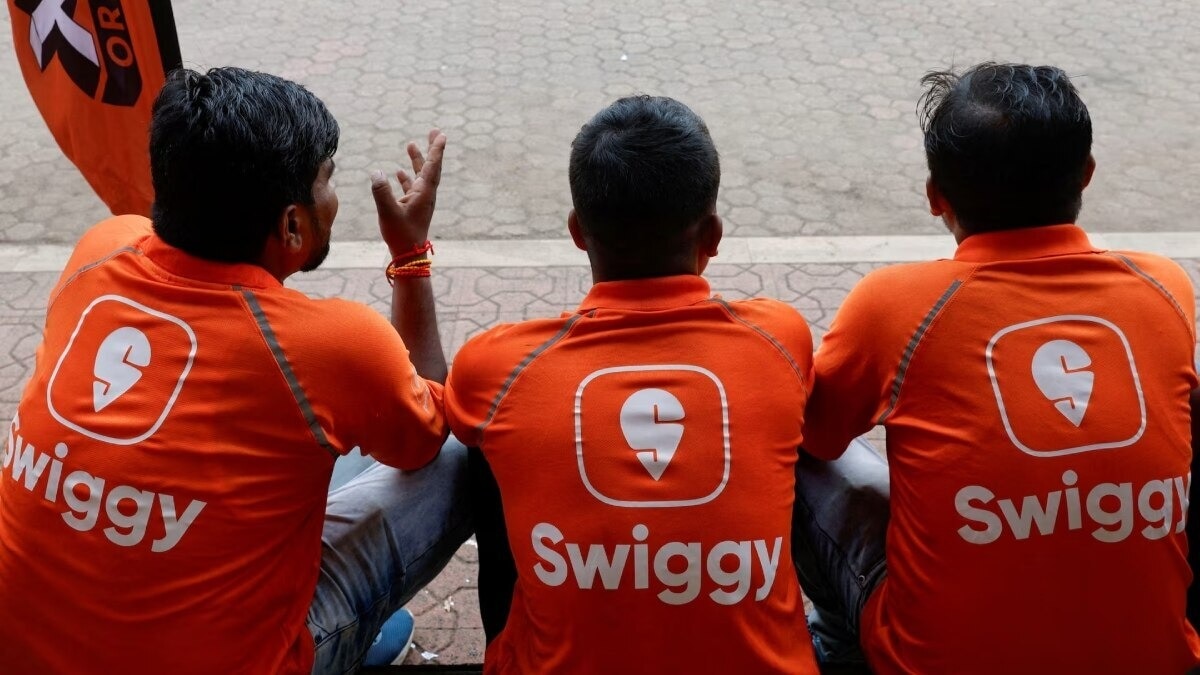
In a dramatic twist for one of India’s biggest tech unicorns, food delivery and quick commerce giant Swiggy has hit a significant roadblock in its ambitious quest to be recognized as an Indian Owned and Controlled Company (IOCC). A recent proposal to amend its Articles of Association (AoA), crucial for restructuring its governance to meet IOCC criteria, failed to secure the necessary shareholder approval, falling short by a razor-thin margin. This setback arrives at a critical juncture, as the quick commerce sector continues its high-stakes, hyper-competitive battle across India.
### The IOCC Challenge: What’s at Stake?
For a company to qualify as an IOCC under India’s Foreign Exchange Management Act (FEMA) rules, two key conditions must be met: both its ownership and its effective control must firmly rest with Indian residents or Indian-owned entities. This isn’t just a bureaucratic label; it can unlock strategic advantages, potentially easing regulatory hurdles, fostering stronger ties with domestic partners, and even opening doors to certain government contracts or public sentiment in a market increasingly valuing local ownership.
Swiggy’s journey toward this coveted status is complex. As a venture-backed behemoth, its cap table features a diverse array of global investors who have poured billions into its growth. Untangling this intricate web of ownership and influence to consolidate “effective control” within Indian hands is no small feat, requiring delicate negotiations and significant structural changes.
### The Vote: A Narrow Defeat
The proposed amendment to Swiggy’s AoA aimed to centralize governance, ensuring that key decisions and ultimate control aligned with the IOCC mandate. However, the special resolution garnered only 72.36% of shareholder votes. While substantial, it agonizingly missed the mandatory 75% threshold required for such fundamental constitutional changes. This indicates a significant bloc of shareholders, representing over a quarter of the company’s equity, had reservations about the proposed alterations.
The failure to secure this mandate means Swiggy’s IOCC aspirations are now paused. It underscores the delicate balance companies like Swiggy must strike between strategic national objectives and the interests of their diverse, often global, investor base.
### The Blinkit Blueprint: A Different Path
The original article subtly highlights a contrasting experience, noting how “Eternal had it easier,” referring to Blinkit (formerly Grofers, operated by Eternal World Pte Ltd). Blinkit’s path to gaining operational flexibility in quick commerce and effectively aligning with an Indian-controlled entity was smoother primarily because of its acquisition by Zomato, an already Indian-listed and controlled company.
When Zomato acquired Blinkit, it effectively brought the quick commerce arm under its umbrella, simplifying the ownership and control structure significantly. This consolidation into an existing, established Indian entity bypassed the need for complex, company-wide governance restructurings that Swiggy is attempting. Blinkit’s integration into Zomato provided a clear, almost turnkey solution for achieving a form of Indian control over its operations, a luxury Swiggy, as an independent entity with a complex, multi-national investor base, simply doesn’t have.
### Why Shareholders Said “No” (or “Not Yet”)
Shareholder resistance to governance changes can stem from various factors. For a company like Swiggy, with significant foreign investment, major shifts in control dynamics could:
* Impact Investor Influence: Existing investors might perceive a reduction in their oversight or decision-making power.
* Affect Valuation & Exit Strategies: Altering fundamental governance structures could potentially influence future valuations or the terms of a potential IPO, affecting how and when investors can realize returns.
* Concerns over Board Composition: Changes in AoA often lead to restructuring the board of directors, which could shift power dynamics away from some key investors.
* Operational Flexibility: While Swiggy seeks IOCC for *its* flexibility, some shareholders might fear that proposed changes could inadvertently create *new* operational rigidities or make it harder to attract future global capital.
These concerns, even if not universally shared, were significant enough to prevent Swiggy from crossing the critical 75% hurdle.
### The Road Ahead for Swiggy
This setback doesn’t necessarily spell the end of Swiggy’s IOCC ambitions, but it certainly complicates the journey. The company will likely need to re-evaluate its proposal, potentially engaging in further negotiations with dissenting shareholders to address their concerns. This could involve revised terms, different governance structures, or clearer assurances about investor rights.
In the cutthroat world of quick commerce, where agility and rapid decision-making are paramount, delays caused by internal governance battles could be costly. Swiggy faces fierce competition from Zomato-owned Blinkit, Zepto, and others, all vying for market share. Its ability to navigate this internal challenge while simultaneously fending off external pressures will be a true test of its leadership.
### Why This Matters
Swiggy’s struggle highlights the broader complexities of balancing global investment with nationalistic economic policies in rapidly developing markets like India. It underscores the challenges faced by homegrown unicorns, often fueled by foreign capital, in aligning with specific regulatory definitions of “Indian” ownership and control. This saga offers valuable insights into corporate governance in the digital age and its potential impact on competitive strategies and market leadership.