
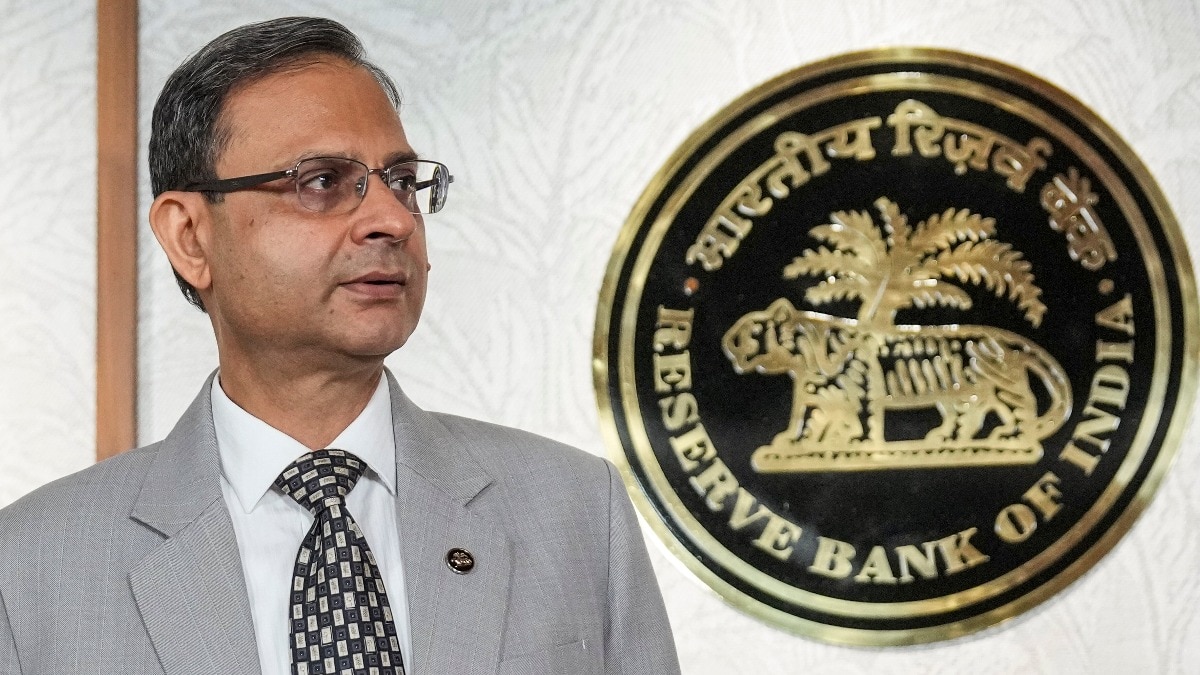
The Reserve Bank of India (RBI) has just delivered a financial bombshell – a colossal Rs 2.87 lakh crore surplus transfer to the Union Government for the financial year 2025-26. This isn’t just a big number; it’s a *record-breaking* one, far exceeding last year’s Rs 2.69 lakh crore. For a government navigating a choppy global economic sea, this cash injection feels like a much-needed lifeline.
But here’s the million-dollar – or rather, lakh-crore-rupee – question: Will this unprecedented boost be enough to help the government hit its fiscal deficit targets, especially as the echoes of “war shock” and global instability continue to reverberate? Economists are watching closely, and so should you.
### What’s the Big Deal About This Transfer?
Let’s break down the numbers because they tell a powerful story. The Rs 2.87 lakh crore transfer is a direct shot in the arm for government finances. To put it in perspective, this sum represents the profits the RBI made from its various operations, which it then passes on to the government as its owner. Think of it as a super-sized dividend payment.
Beyond the headline figure, there’s another crucial element: the contingent risk buffer. The RBI is also transferring a substantial Rs 1.09 lakh crore to this buffer for 2025-26. This is a significant jump from the Rs 44,862 crore transferred in the previous year. What does this mean? Essentially, the contingent risk buffer is like the RBI’s rainy-day fund. A larger transfer to it means the central bank has more firepower to intervene in financial markets if global conditions turn volatile, ensuring stability. It’s a proactive move, signalling preparedness.
The RBI’s own financial health played a key role in making this possible. Its gross income for 2025-26 saw a robust 26.42% rise, even as expenditure (before risk provisions) also climbed by 27.60%. This indicates a period of heightened activity and profitable operations for the central bank.
### The RBI’s Money-Making Magic
Ever wondered how a central bank like the RBI generates such massive surpluses? It’s not by selling products or services like a typical company. The RBI’s income primarily comes from its market operations. This includes earnings from its holdings of government securities, interest earned on foreign currency assets, and income from operations like open market operations (buying and selling bonds) and forex interventions to manage the rupee’s value.
When global markets are active, and interest rates, especially internationally, offer good returns on foreign assets, the RBI’s earnings often surge. The surplus then accumulates after meeting its operational costs and making provisions for contingencies – like that critical contingent risk buffer. As the government’s banker and debt manager, the RBI’s profitability directly benefits the nation’s coffers.
### Navigating the Fiscal Tightrope: The Government’s Challenge
This record transfer couldn’t come at a more opportune time for the government. The term “war shock” in the original context isn’t just about a specific conflict; it’s a broad reference to the pervasive global economic instability. Geopolitical tensions, disruptions in supply chains, commodity price volatility (especially energy and food), and general uncertainty have put immense pressure on national budgets worldwide.
India is no exception. These global headwinds have a direct impact: higher import bills, potential inflationary pressures, and the need for government spending to cushion citizens and businesses from the fallout. All of this can widen the fiscal deficit – the gap between the government’s total expenditure and its total revenue.
A high fiscal deficit can lead to increased government borrowing, which can crowd out private investment and put upward pressure on interest rates. It can also raise concerns about the nation’s debt sustainability. The government has been diligently working towards consolidating its finances, aiming for a more sustainable fiscal path. This unexpected windfall from the RBI provides crucial breathing room.
### What This Means for India’s Economy
The significant surplus transfer offers the government flexibility. It could be used to:
* Reduce borrowing: Less need to tap into market borrowings could ease pressure on interest rates and free up capital for the private sector.
* Boost infrastructure spending: Critical projects like roads, ports, and digital networks could see an accelerated pace, driving economic growth and job creation.
* Fund social welfare programs: Essential schemes related to healthcare, education, and poverty alleviation could receive better funding, directly impacting citizens.
* Reduce the fiscal deficit: This is the most direct benefit, helping the government meet its targets and signal fiscal prudence to investors.
While the Rs 2.87 lakh crore is substantial, it’s important to remember that India’s economy is vast, and its budgetary needs are immense. The fiscal deficit target often requires careful, sustained management throughout the year, not just one large injection. This transfer is a powerful enabler, but it’s not a magic bullet that solves all economic challenges. It offers the government a stronger hand to play in its ongoing fiscal management, allowing it to respond more effectively to both domestic needs and external shocks.
### Why This Matters
This isn’t just an abstract financial transaction; it impacts you. A stronger government balance sheet means more resources for public services, better infrastructure, and a more stable economic environment. It influences inflation, interest rates, and the government’s ability to respond to crises, ultimately shaping the financial landscape for businesses and individuals alike. It’s a key indicator of India’s economic resilience in a world that feels increasingly uncertain.