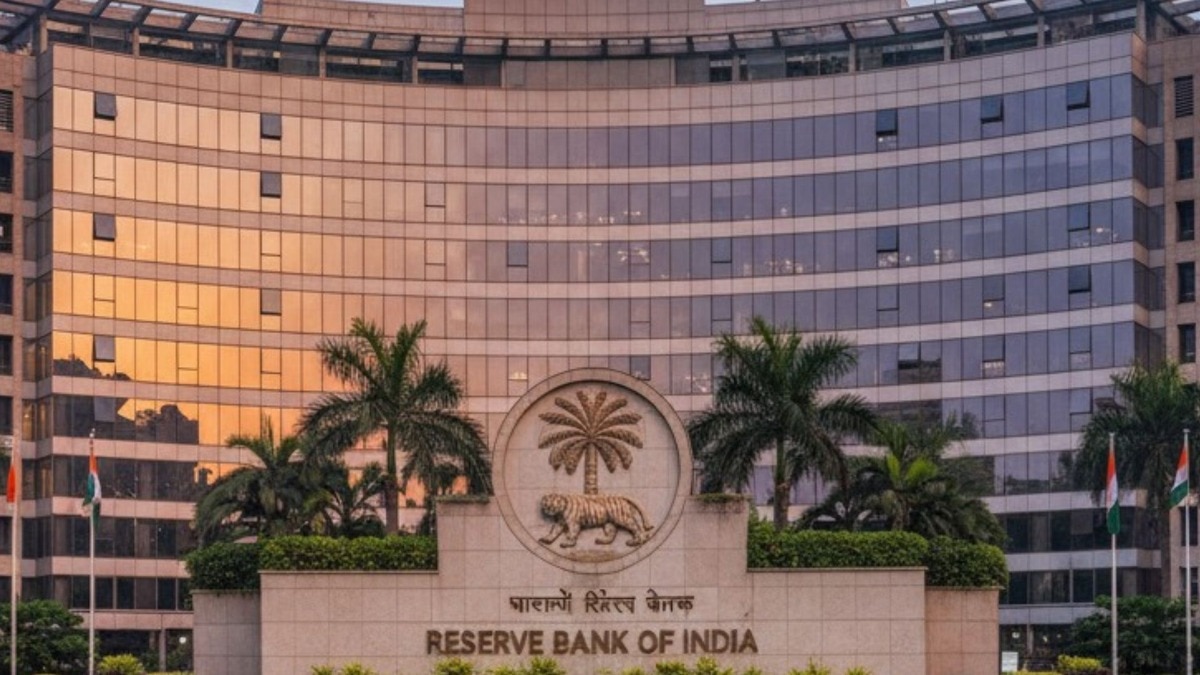
India’s currency has been having a tough time recently, hitting one record low after another. The rupee, a key indicator of the nation’s economic health, has already shed a significant 6% against the mighty US dollar. For anyone keeping an eye on the markets, or even just their everyday expenses, this downward trend has been a cause for concern. Financial analysts from DBS Bank are even predicting a wider range of 95-100 rupees to the dollar through the rest of 2026, suggesting that the pressure isn’t letting up anytime soon. But amidst the gloom, the Reserve Bank of India (RBI) has stepped in, unleashing a series of strategic moves to bring some much-needed stability.
### The Rupee’s Recent Tumble
Imagine your purchasing power slowly eroding – that’s what a depreciating currency means for a nation. The rupee’s journey to its recent record lows against the US dollar has been bumpy. Each dip makes imports more expensive, potentially fueling inflation and impacting everything from the cost of your favorite gadget to the price of fuel. This 6% slide isn’t just a number; it’s a tangible shift that affects businesses reliant on international trade and even individuals planning an overseas trip. The global economic landscape, marked by shifting interest rates and geopolitical uncertainties, has undoubtedly played a role in this vulnerability.
### RBI’s Counter-Punch: The $5 Billion Swap Auction
In a bid to inject confidence and vital liquidity into the banking system, the RBI announced a substantial $5 billion dollar-rupee buy and sell swap auction, scheduled for May 26. This isn’t just a fancy financial term; it’s a powerful tool in the central bank’s arsenal.
Here’s how it works: in a ‘buy/sell’ swap, the RBI would initially buy dollars from banks while simultaneously agreeing to sell them back at a future date. Essentially, the RBI is temporarily providing rupees to banks in exchange for dollars. This serves two main purposes. Firstly, it infuses rupees into the system, bolstering liquidity – a crucial factor that ensures banks have enough cash to lend and operate smoothly. Secondly, it helps manage the foreign exchange market by influencing the supply and demand for dollars and rupees, often to curb excessive volatility. This proactive measure by the RBI is a clear signal of its intent to manage the domestic money market conditions and indirectly support the rupee.
### Selling Dollars to Stabilize
Beyond the upcoming swap auction, the RBI wasn’t waiting idly. On Thursday, May 21, following days of touching those aforementioned record lows, the rupee finally saw a glimmer of hope. Its recovery was partly thanks to cooling oil prices, but significantly, it was also attributed to the RBI’s direct intervention in the foreign exchange market.
The central bank stepped in by actively selling dollars. When the RBI sells dollars, it increases the supply of dollars in the market and, consequently, reduces the supply of rupees. This action helps to strengthen the rupee by making dollars relatively cheaper and rupees relatively more in demand. The immediate impact was palpable: the rupee, which had closed around 96.8 to the dollar, strengthened by about 0.5% in morning trading, reaching approximately 96.30. It eventually settled at 96.37 against the greenback, a small but significant bounce from its recent nadir. This active central bank intervention was a key factor in halting the rupee’s slide.
### Beyond RBI: Other Forces at Play
While the RBI’s intervention was crucial, other global dynamics also played a part in the rupee’s Thursday recovery. A significant factor was the retracement in crude oil prices. India is a major importer of crude oil, so lower global oil prices mean a smaller import bill, which in turn reduces the demand for dollars from Indian businesses. This lessening of dollar demand naturally eases pressure on the rupee.
Furthermore, tentative signs of easing geopolitical friction globally also contributed to the more optimistic sentiment. When global tensions simmer down, investors tend to shy away from traditional ‘safe-haven’ currencies like the US dollar and become more willing to invest in emerging markets, including India. This shift can lead to increased foreign capital inflows, which boosts the demand for the rupee and helps to strengthen its value. It’s a complex interplay of domestic policy and international events that dictates currency movements.
### The Road Ahead: DBS Bank’s Forecast
Despite the recent recovery, the long-term outlook remains a topic of intense discussion. DBS Bank analysts’ projection of the rupee trading in the 95-100 range through 2026 suggests that the underlying pressures are expected to persist. Several factors could contribute to this continued weakness. Global interest rate differentials, particularly if the US Federal Reserve maintains a hawkish stance, could continue to favor the dollar. India’s trade deficit, driven by essential imports, also creates a structural demand for dollars. Moreover, the pace of foreign direct investment and portfolio investment inflows will be critical in determining the rupee’s trajectory. The RBI’s vigilance and continued strategic interventions will be vital in navigating these complex waters.
### Why This Matters
For the average person, a weaker rupee isn’t just a headline – it translates into real-world impacts. Your imported goods, from electronics to medicines, become more expensive. Fuel prices, linked to global crude oil prices and the dollar-rupee exchange rate, could remain elevated. Travel abroad becomes costlier, and inflation can bite harder into household budgets. For businesses, especially those dealing with international trade, managing currency fluctuations becomes a significant challenge affecting profitability and planning. The RBI’s actions, therefore, are not just about financial stability; they are about protecting purchasing power, fostering a stable economic environment, and ultimately, impacting the everyday lives of millions. Keeping the rupee steady is a cornerstone of broader economic well-being.