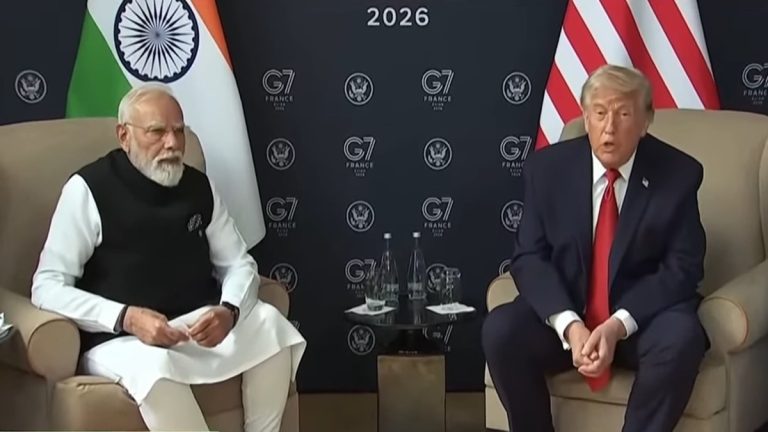
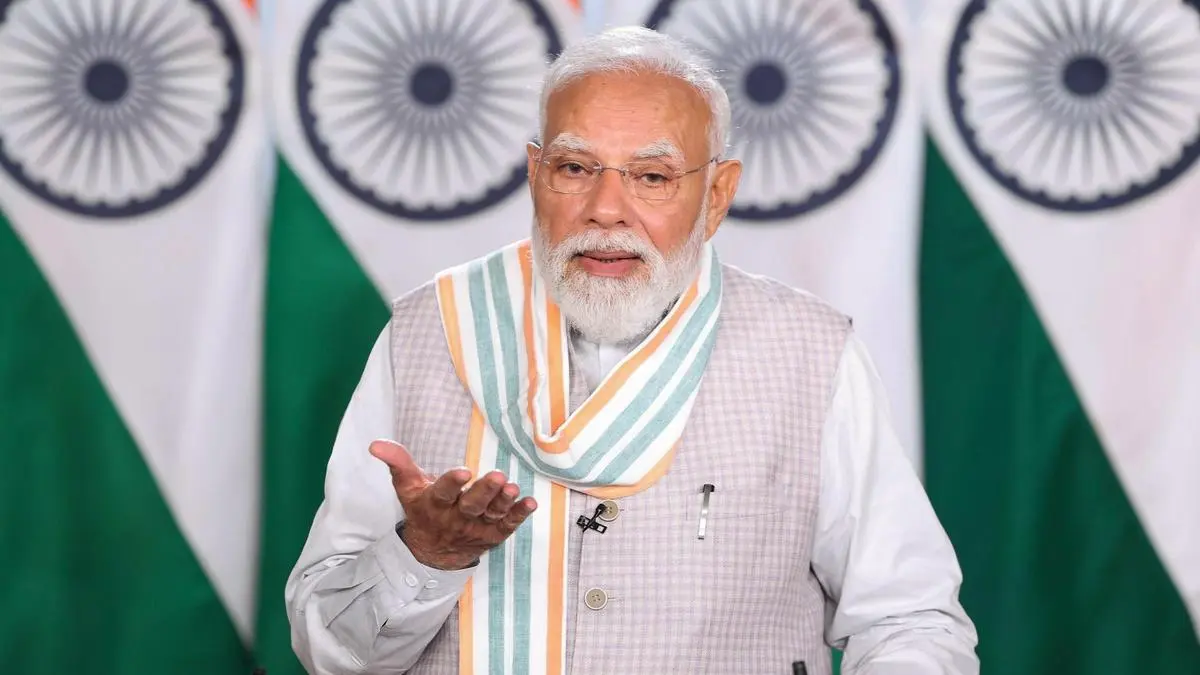
India is facing a critical economic juncture, with Prime Minister Narendra Modi’s government aggressively pushing austerity measures that have sparked widespread concern. What started as “suggestions” to the public – including calls to cut fuel use and curb travel – is now raising serious questions about the nation’s economic health and the trajectory of its much-touted growth story.
A Call for Belt-Tightening
Since early May, the Union government, spearheaded by PM Modi, has been urging Indians to adopt a more frugal lifestyle. On May 10, Modi unveiled a seven-point plan that felt eerily reminiscent of pandemic-era restrictions, focusing on reducing consumption. This push comes as the Indian rupee continues its rapid downward slide against the US dollar, placing immense strain on India’s balance of payments (BoP) due to the escalating cost of essential imports.
Official Blame vs. Public Questions
The government has been quick to pinpoint external factors, primarily blaming the ongoing US-Iran war and the subsequent closure of the crucial Strait of Hormuz, for the nation’s financial woes. While geopolitical tensions undoubtedly play a role in global economics, critics and observers are asking: Is this the full picture? And why, after years of promising robust growth, is the burden of an economic downturn now seemingly being shifted onto the shoulders of ordinary citizens?
Beyond Geopolitics: Unpacking the Crisis
Many analysts argue that India’s economic troubles run deeper than recent international conflicts. The current austerity drive, they suggest, highlights a more fundamental issue: Modi’s “growth story has run out of fuel.” For years, India has grappled with a weakening industrial base, persistent trade deficits, and a perceived failure to achieve significant technological progress that could truly transform its economy.
This isn’t just about global oil prices; it’s about the very foundations of India’s economic structure. A declining industrial sector means fewer jobs and less domestic production, making the nation more reliant on imports. Coupled with chronic trade deficits – where India spends more on imports than it earns from exports – this creates a precarious financial situation, exacerbated by any external shock.
The Neoliberal Approach: Shifting the Burden
The current economic strategy, according to some experts, appears to follow a neoliberal model. This approach often emphasizes fiscal discipline and market liberalization but, crucially, tends to offload the costs of economic adjustments onto workers and the general populace. When the government calls for individual citizens to cut back on fuel and travel, it’s effectively asking them to absorb the impact of the crisis directly, rather than initiating larger structural reforms or increasing state support.
This strategy raises uncomfortable questions about equity. If industries are weak and technological progress stalled, how much of the current crisis stems from internal policy choices over the past decade? And why are those at the grassroots level expected to bear the brunt of an economic slowdown when the initial promises were of prosperity and job creation?
Modi’s Growth Story: A Reality Check?
Prime Minister Modi came to power on a wave of hope, promising a dynamic, rapidly growing economy that would create millions of jobs and elevate India’s global standing. The “Modi growth story” became a powerful narrative. However, the aggressive push for austerity, juxtaposed with the weakening rupee and strained BoP, forces a critical re-evaluation of that narrative.
Where are the promised industrial boosts? The technological leaps? The robust export-driven growth? Critics argue that the government’s focus on blaming external factors deflects from a need to scrutinize internal policies that may have contributed to the current predicament. The call for citizens to “tighten their belts” signals a departure from the earlier rhetoric of India’s unstoppable rise.
Why This Matters
This economic pivot has profound implications for every Indian. Austerity measures can lead to slower economic activity, reduced consumption, and potentially higher unemployment. For the average household, it means facing rising costs for essential goods, making daily life harder. Beyond personal finances, it challenges the national narrative of growth and prosperity, forcing a reconsideration of India’s economic direction and the strategies employed to navigate future challenges. It’s a moment that could redefine the social contract between the government and its people.