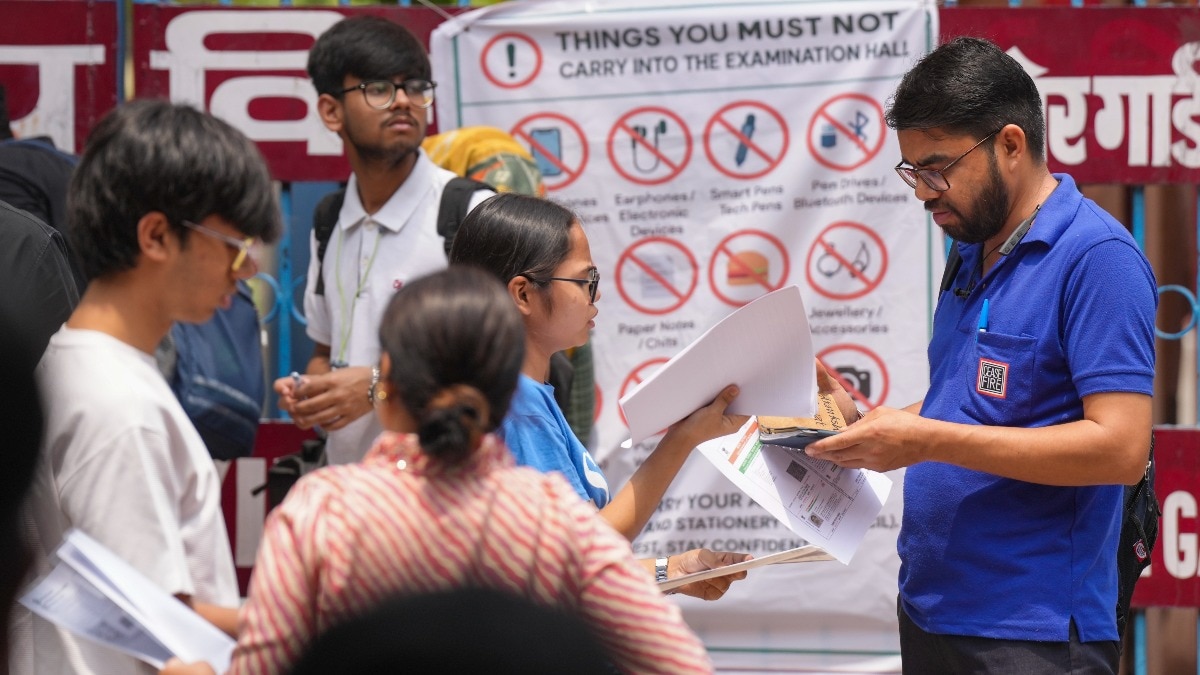
The storm surrounding the NEET-UG 2026 examination, a high-stakes gateway to medical and dental colleges across India, intensified this week as the National Testing Agency (NTA) presented its defense to a parliamentary committee. In a move that has further baffled students and observers alike, NTA Chief Abhishek Singh and Higher Education Secretary Vineet Joshi drew a fine, yet controversial, distinction: the paper wasn’t “leaked,” but rather, “certain questions came out” prior to the exam. This linguistic tightrope walk has done little to quell the outrage following the May 12 cancellation of the exam, which took place on May 3, amidst widespread allegations of irregularities and malpractices.
The Controversy Unfolds
For thousands of aspiring doctors, the NEET-UG is the culmination of years of relentless studying, intense pressure, and significant financial investment. The examination on May 3, 2026, was supposed to be a defining moment for these students. However, whispers, then shouts, of pre-circulated questions matching portions of the actual test paper quickly spread. These allegations snowballed, leading to a national outcry that prompted the swift action of the authorities. Just nine days after the exam, the government, through the NTA, announced its cancellation, acknowledging “malpractices and irregularities.” The decision, while validating student concerns, also plunged lakhs of aspirants into a state of acute uncertainty and anxiety.
NTA’s Defence: A Semantic Tightrope
Summoned before Parliament’s Standing Committee on Education, the NTA leadership faced a grilling over its handling of the crisis. Their meticulously worded defense aimed to reframe the narrative: “No paper leak took place, only certain questions came out.” This statement, delivered by NTA Chief Abhishek Singh and echoed by Higher Education Secretary Vineet Joshi, suggests a nuanced difference between a complete, widespread dissemination of the entire exam paper and the leakage of specific questions. They maintained that while irregularities were indeed detected, they did not amount to a full-scale compromise of the entire examination.
The committee’s response to this distinction remains under wraps, but it undoubtedly sparks further questions about the definition of a “leak” in the context of high-stakes national examinations. For many, if even “certain questions” are accessible before an exam, the integrity of the entire process is severely undermined, regardless of whether it constitutes a “full paper leak.”
Why the Distinction Matters
The NTA’s insistence on this specific phrasing isn’t just semantics; it carries significant implications. If the NTA can successfully argue that the incident was not a “paper leak” but merely “questions coming out,” it could potentially influence perceptions of culpability, the scope of the investigation, and the measures required for future examinations. A “leak” implies a systemic failure in security and widespread compromise, potentially leading to a complete overhaul of the examination process. “Questions coming out,” while still serious, might be presented as isolated incidents of malpractice by individuals rather than an institutional breakdown.
However, for the millions of stakeholders – students, parents, educators, and the public – the outcome is the same: the exam’s sanctity was breached, and fairness was compromised. The distinction may hold legal or administrative weight, but it does little to alleviate the frustration and disillusionment felt by those impacted.
Student Anxiety and Future Uncertainty
The human cost of this controversy is immense. Thousands of students, many from economically disadvantaged backgrounds, have poured their heart, soul, and often their families’ savings into preparing for NEET. The news of the cancellation, followed by the NTA’s latest statement, has left them in limbo. Months, sometimes years, of dedicated preparation, sacrifices, and dreams now hang by a thread. The emotional toll of this uncertainty, coupled with the pressure of a potentially re-conducted exam, is staggering. Many students feel betrayed, questioning the reliability of the system designed to evaluate their merit fairly.
Parliamentary Scrutiny and CBI Action
The parliamentary standing committee’s summoning of the NTA chief underscores the seriousness with which legislative bodies are treating the matter. Such committees play a crucial oversight role, holding government agencies accountable and seeking clarity on issues of national importance. Their investigation will delve into the details of the security breaches, the NTA’s protocols, and the actions taken to address the allegations.
Adding another layer of gravity to the situation, the Central Bureau of Investigation (CBI) has already stepped in, making multiple arrests across various states. The involvement of the CBI, India’s premier investigative agency, signals that the authorities view this as a criminal matter involving organized malpractices. Their probe will likely aim to uncover the full extent of the network involved in these irregularities, bringing to light the mechanisms through which questions allegedly “came out” and who facilitated it.
The Bigger Picture: Trust in National Exams
This incident is not isolated; India has seen its share of examination controversies over the years. Each time, public trust in the integrity and fairness of national testing systems takes a hit. The NEET exam, being one of the most competitive and crucial entrance tests in the country, demands unassailable credibility. Any perceived weakness in its administration can erode faith in meritocracy and fuel skepticism about the fairness of opportunities. Rebuilding this trust requires not just punitive action against perpetrators, but also a transparent, robust, and foolproof system that leaves no room for doubt or ambiguity.
Why This Matters
This controversy goes beyond just an exam. It strikes at the heart of India’s meritocratic system and the dreams of countless young people. Ensuring the integrity of national examinations like NEET is paramount for social mobility, fostering talent, and maintaining public trust in governance. The NTA’s distinction between a “leak” and “questions coming out” highlights the complex challenges in securing these high-stakes tests and underscores the urgent need for comprehensive reforms to protect the future of India’s youth.