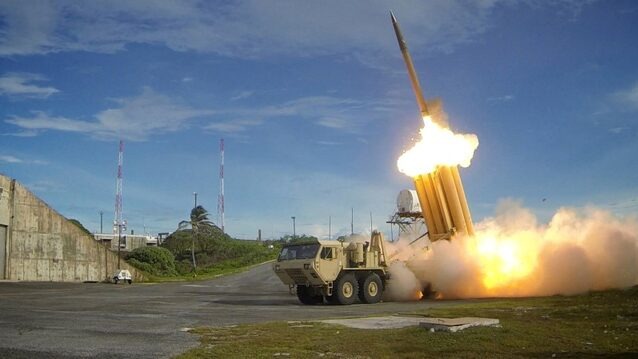
In a stunning revelation that underscores the intensity of recent global flashpoints, the United States reportedly fired over 200 of its top-tier Terminal High Altitude Area Defense (THAAD) interceptors to defend Israel during its now-paused conflict with Iran. This massive deployment has reportedly cut the Pentagon’s total THAAD inventory by nearly half, raising serious questions about America’s strategic readiness and future defense capabilities.
### A Staggering Deployment
The details, first brought to light by a Washington Post report citing US officials, paint a vivid picture of the sheer scale of the US commitment to Israel’s defense. THAAD, a highly advanced system designed to intercept short, medium, and intermediate-range ballistic missiles in their terminal phase, is a cornerstone of the US and allied missile defense architecture. Its deployment signifies a high-stakes scenario where conventional defenses were deemed insufficient, requiring the most sophisticated tools in the US arsenal. The fact that over 200 interceptors were expended speaks volumes about the volume and sophistication of the threats Israel faced.
Beyond the ground-based THAAD systems, the report also indicates that the US launched more than 100 Standard Missile-3 (SM-3) and Standard Missile-6 (SM-6) interceptors from naval vessels strategically positioned in the eastern Mediterranean. These ship-launched interceptors, forming another critical layer of ballistic missile defense, further illustrate the multi-pronged and extensive defensive effort mounted by the US to protect its ally during a period of intense regional instability.
### Half Gone: A Critical Inventory Hit
The core of this unsettling news lies in the “nearly half” depletion of the Pentagon’s THAAD interceptor inventory. This isn’t just about numbers; it’s about strategic capacity. Each THAAD interceptor represents years of research, billions in development, and a finite resource critical for national security and global deterrence. Losing such a significant portion means potential delays in protecting other allies, a diminished deterrent against potential adversaries, and a substantial bill for replenishment – a process that can take years, not months.
This depletion raises urgent questions for defense planners: What’s the impact on US readiness for other potential conflicts? How quickly can these critical assets be replaced? And what message does this send to both allies reliant on US protection and rivals who might test America’s stretched defenses? The implications reverberate far beyond the immediate conflict, touching on geopolitics, defense budgets, and the very concept of strategic depth.
### Beyond THAAD: Naval Defenses in Action
The simultaneous expenditure of over 100 SM-3 and SM-6 interceptors from naval assets further highlights the comprehensive nature of the US response. SM-3 missiles are designed for mid-course interception, engaging threats in space, while SM-6s offer versatility, capable of air, surface, and terminal ballistic missile defense. Their deployment from ships like Aegis destroyers and cruisers underscores the multi-layered approach required to counter modern missile threats and the crucial role of the US Navy in projecting defense capabilities globally. The combined usage of ground-based THAAD and sea-based SM-3/SM-6 systems demonstrates a coordinated, robust, but resource-intensive defense strategy.
### The Geopolitical Chessboard
This report offers a stark look into the geopolitical landscape of the region and the enduring US commitment to Israel. While the original report briefly mentions that “Israel fired few” interceptors in comparison, it implicitly suggests that the lion’s share of the defensive burden fell squarely on the United States. This dynamic inevitably sparks debate about burden-sharing among allies and the extent of America’s protective umbrella.
The “now-paused” nature of the conflict with Iran adds another layer of tension. A pause isn’t a resolution, and the threat of hostilities resuming remains a palpable concern. Should the conflict reignite, the US would face an even more precarious situation with an already diminished inventory of its most effective missile defense systems.
### Trump’s Shadow and Future Stakes
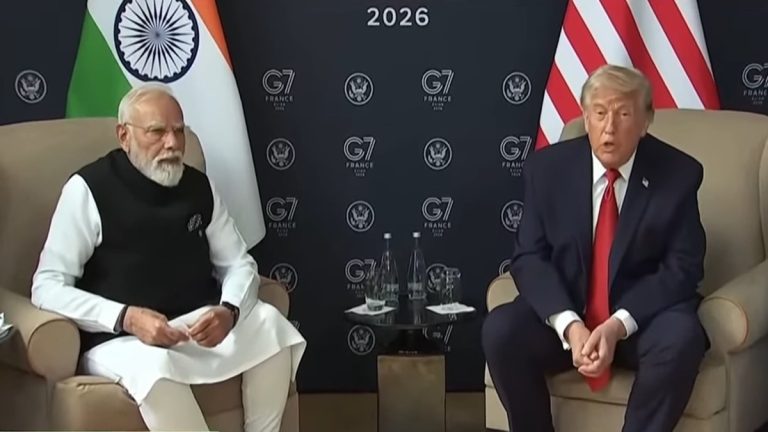
Adding to the complexity are comments attributed to former President Donald Trump. The report notes that if hostilities resume, as “threatened by President Donald Trump,” the US military is likely to use an even greater share of interceptors. This statement, given the original article’s publication date of May 2026, could imply ongoing political influence or even a future presidential term for Trump, setting a hawkish tone for potential future engagements. His past rhetoric and “America First” stance often clashed with traditional alliances, yet this specific quote highlights a willingness to commit substantial US military resources in defense of Israel, potentially at an even higher cost to US inventories.
Such statements, coupled with the current depletion, create a potent cocktail of strategic uncertainty. They suggest a future where US military assets could be further stretched, potentially impacting its ability to respond to contingencies in other critical regions.
### Why This Matters
This isn’t just a military expenditure report; it’s a stark indicator of global tensions, the immense cost of modern warfare, and the strategic dilemmas facing the United States. The significant depletion of THAAD interceptors impacts US readiness, global power projection, and defense spending, while highlighting the depth of America’s commitment to its allies. It serves as a crucial reminder that even the most advanced defense systems are finite resources, and their rapid expenditure can have profound and lasting geopolitical consequences.