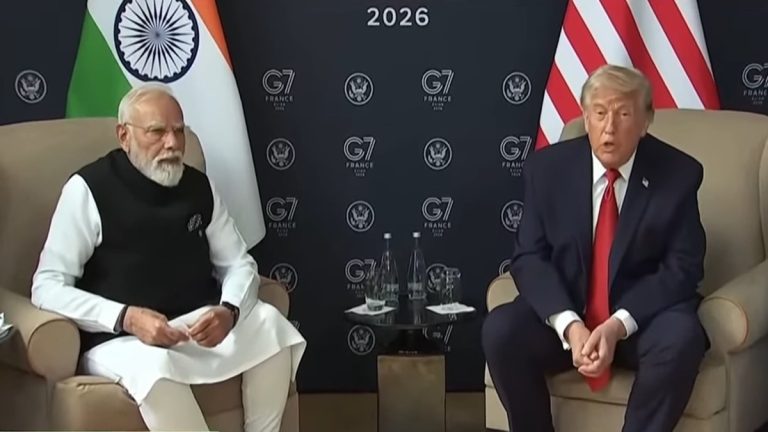
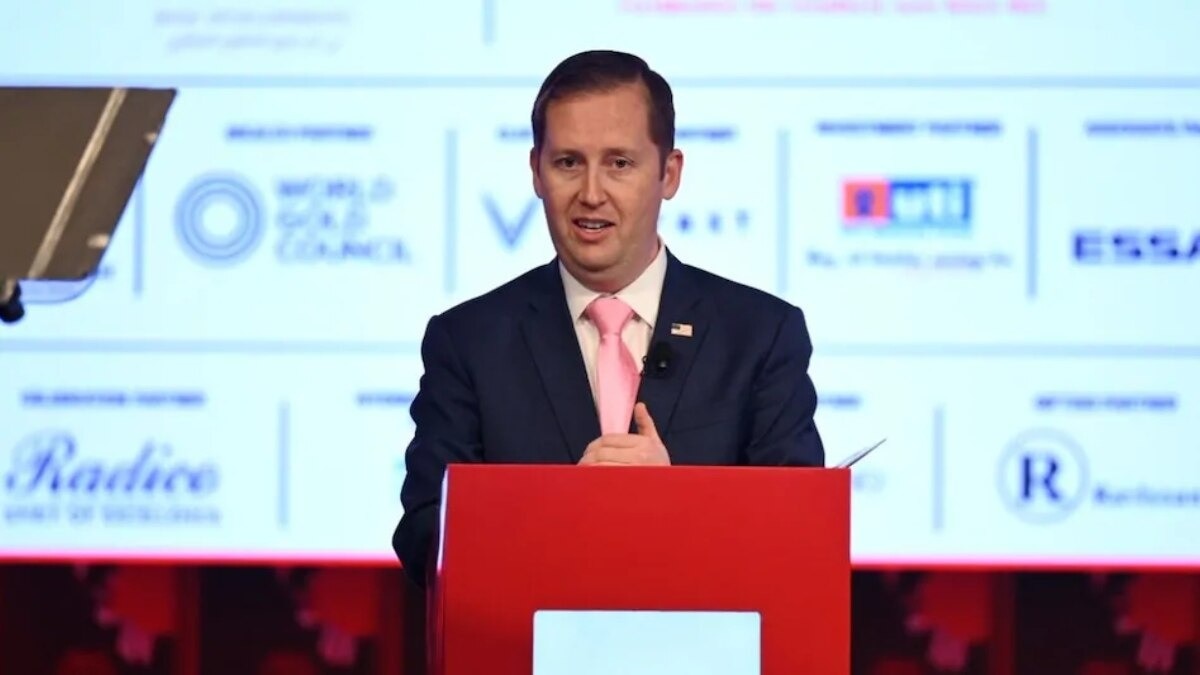
The diplomatic and business corridors of New Delhi are buzzing with fresh optimism following a significant announcement from US Ambassador to India, Sergio Gor. Speaking at the prestigious Annual Leadership Summit of the American Chamber of Commerce (AmCham), Gor signaled that a long-awaited bilateral trade deal between the United States and India is on the cusp of finalization, potentially concluding within “the coming weeks and months.”
This declaration has ignited excitement among businesses and policymakers alike, marking a pivotal moment in the robust and rapidly evolving relationship between the two global powers.
The Countdown Begins
Ambassador Gor’s confident tone wasn’t just diplomatic nicety; it carried the weight of a firm timeline. Addressing a room full of industry leaders and stakeholders, he underscored the diligent efforts that have been underway for quite some time. “Negotiations have been ongoing for a year and a half,” Gor noted, before delivering the headline-making assurance that he was “confident the deal would be concluded in the coming weeks and months.”
This isn’t merely a vague promise; it’s a specific window that suggests a heightened pace of activity behind the scenes. For those tracking the often-complex world of international trade, such a direct pronouncement from a top envoy signals that the finishing line is truly in sight.
A Partnership Forged in Negotiation
The US-India bilateral trade relationship is a multi-faceted giant, encompassing everything from advanced technology and defense to agriculture and services. For the past 18 months, teams from both nations have been meticulously working through the intricacies of a deal designed to streamline trade, reduce barriers, and foster greater economic collaboration.
These negotiations typically involve complex discussions around tariffs, market access for various goods and services, intellectual property rights, and investment frameworks. Each point requires delicate balancing to ensure mutual benefit and address concerns from both sides. A successful agreement would mean easier market entry for American products and services in India, while also opening new avenues for Indian goods and tech exports to the US.
What’s Driving This Momentum?
The push for a bilateral trade deal comes amidst a backdrop of deepening strategic alignment between the US and India. Beyond economic considerations, both nations share a common vision for a stable and prosperous Indo-Pacific region, making a robust economic partnership all the more critical.
From the US perspective, strengthening trade ties with India is a key component of its broader strategy to diversify supply chains, tap into India’s massive consumer market, and foster innovation through collaborative ventures. For India, a trade deal with the US promises increased foreign direct investment, technology transfers, and greater integration into global value chains, crucial for its ambitious growth targets and its “Make in India” initiative.
The anticipation is further fueled by high-level engagements, such as the planned visit of US Senator Marco Rubio and delegation talks set for next month. Such visits are often indicative of advanced diplomatic progress and a shared commitment to finalizing key agreements. They serve as platforms to iron out any remaining sticking points and build consensus at the highest echelons of government.
The Economic Ripple Effect
The impact of such a comprehensive deal could be substantial for businesses and consumers in both countries. American companies, particularly in sectors like technology, renewable energy, defense, and manufacturing, stand to gain enhanced access to India’s burgeoning market. This could translate into new job creation in the US and increased investment flows into India.
Conversely, Indian businesses could see new opportunities for their exports, especially in areas like pharmaceuticals, textiles, and IT services, benefiting from streamlined processes and potentially reduced tariffs. Consumers in both countries could also benefit from a wider range of goods and services at competitive prices.
Furthermore, a strengthened trade framework is expected to boost investor confidence, paving the way for more long-term partnerships and joint ventures that drive innovation and economic development.
Why This Matters
This impending US-India trade deal is far more than just a bureaucratic agreement; it’s a strategic handshake between two of the world’s largest democracies. It underscores a mutual commitment to economic growth, supply chain resilience, and a deeper, more collaborative future. For businesses, it spells new opportunities and market access. For citizens, it signifies a stronger global partnership and potentially more choices and better value. Ambassador Gor’s announcement effectively sets the clock ticking, and the world is watching eagerly to see this landmark agreement come to fruition.