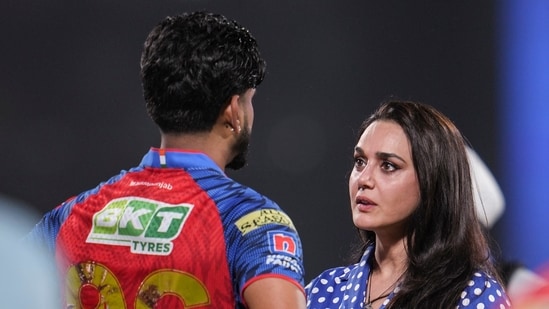
The Indian Premier League (IPL) is rarely just about what happens on the pitch. It’s a high-octane spectacle where fortunes turn in a flash, and the drama often extends far beyond the boundary ropes. This season, the Punjab Kings (PBKS) found themselves entangled in an off-field whirlwind of speculation and rumour, prompting an impassioned public response from the franchise and its co-owner, the ever-vocal Preity Zinta. What followed was a curious exercise in digital crisis communication, as their initial strong warning against misinformation was later, and quietly, rephrased.
A Dream Start Doused by Digital Murmurs
The Punjab Kings had been enjoying a stellar run this tournament, painting a picture of aggressive cricket and consistent performance. With an impressive record of six wins and one no-result from their first seven matches, they were the talk of the town, defying expectations and thrilling fans with their dynamic play. Their aggressive brand of cricket and consistent performances quickly made them one of the standout teams this season, fostering a sense of camaraderie and high morale.
However, as is often the case in the hyper-connected world of modern sports, success sometimes brings with it unwanted scrutiny. Social media, a powerful tool for fan engagement, can also quickly become a breeding ground for unsubstantiated claims and whispers. Recently, the digital airwaves began to buzz with growing discussions and rumours surrounding the franchise and some of its players – the exact nature of which remained vague but pervasive.
Preity Zinta Steps Into The Fray
Faced with this rising tide of online chatter, the Punjab Kings decided to take a stand. Late on Tuesday night, the franchise issued a robust statement across its official social media channels. While carefully avoiding direct mention of the specific rumours, the message was unequivocal: a firm call for people to refrain from spreading misinformation. It was a clear signal that the team was aware of the speculation and intended to address it head-on.
Adding significant weight to this initial statement was the personal intervention of Preity Zinta. Known for her passionate involvement with the team, the Bollywood star and co-owner took to X (formerly Twitter) to amplify the team’s message. In her own words, she slammed the misinformation that was “targeting the team and individuals.” Her direct, no-nonsense approach resonated with many, underscoring the serious impact such rumours can have on professional athletes and their support staff. Her presence in the conversation wasn’t just celebrity endorsement; it was a genuine defence of her team and its members.
The Curious Case of The Edited Statement
What happened next, however, introduced an intriguing twist to the unfolding narrative. Shortly after its initial publication, the Punjab Kings’ original statement, complete with Preity Zinta’s accompanying remarks, was quietly deleted from their platforms. It wasn’t long before a new version appeared, seemingly tweaked and reposted. The reason for this digital disappearing act and subsequent re-emergence with revisions wasn’t explicitly stated, but the prevailing sentiment suggested an attempt “to avoid further controversy.”
This move raises several questions about the delicate art of crisis communication in the digital age. Was the initial statement deemed too aggressive, potentially drawing more attention to the very rumours it sought to dispel? Did some wording inadvertently open new avenues for misinterpretation or legal challenge? Or was it a strategic recalibration, aimed at delivering the same core message – “stop spreading fake news” – but in a more measured tone, designed to de-escalate rather than intensify the situation?
In the fast-paced world of social media, where every word is scrutinised and re-shared in an instant, even a slight change in wording can significantly alter perception. The decision to edit and repost implies a careful, perhaps even urgent, reassessment of their public stance. It highlights the tightrope walk that sports franchises and public figures must undertake when addressing sensitive issues online.
Navigating the Digital Wild West
This incident serves as a stark reminder of the challenges faced by sports teams and individuals in an era dominated by social media. The line between legitimate news, fan discussion, and harmful misinformation is increasingly blurred. For athletes and team management, maintaining focus on performance while simultaneously combating a barrage of unverified claims can be incredibly taxing.
The pressure on IPL teams, with their massive fan bases and significant financial stakes, is immense. Every win, every loss, every player decision, and now, every public statement, is analysed under a microscope. This environment demands not just athletic prowess but also sophisticated media management and a keen understanding of the digital landscape.
Why This Matters
This episode isn’t just about one team and its celebrity owner; it’s a microcosm of the larger battle against misinformation in sports and beyond. It highlights the responsibility of social media users to discern fact from fiction, the challenges faced by public figures in protecting their reputation, and the evolving strategies needed for effective crisis communication in a digital-first world. For fans, it’s a reminder that not everything read online is true, and for teams, it underscores the constant need to be vigilant and adaptable in managing their public image.