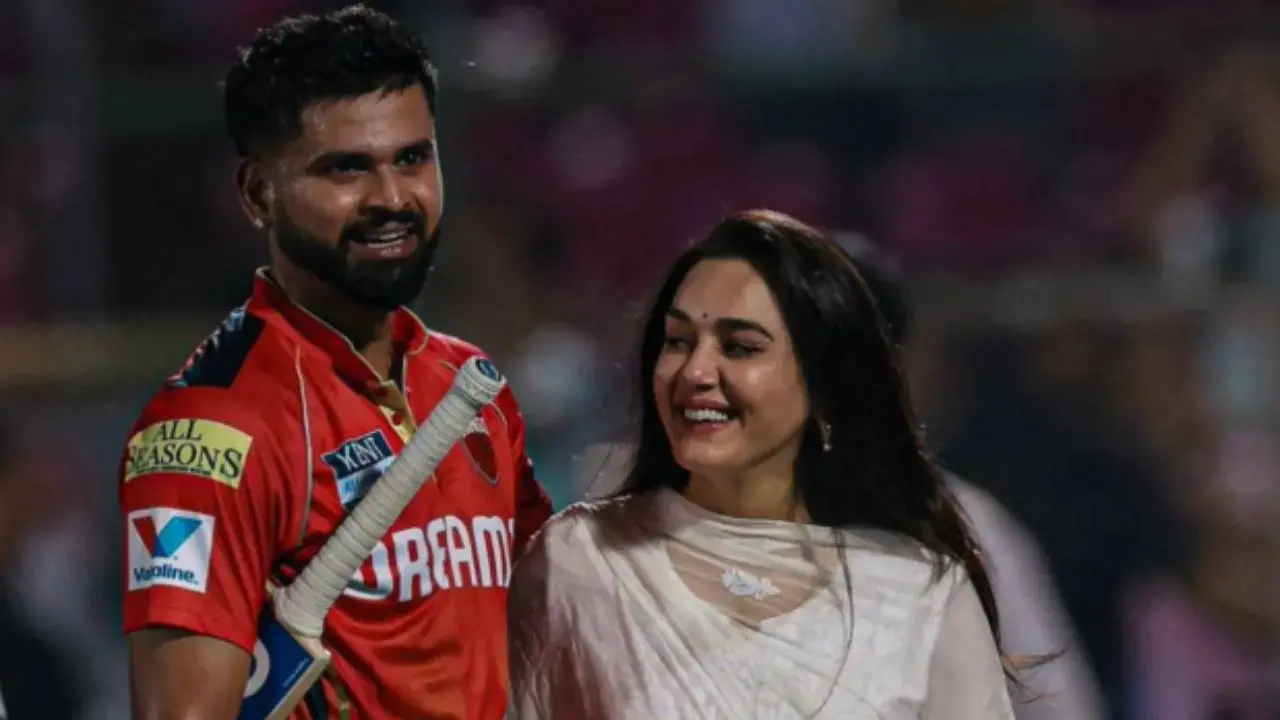
The Indian Premier League (IPL) is a pressure cooker, and for the Punjab Kings, that pressure is boiling over. Amidst a tough mid-season slump that has seen the team lose four consecutive matches, co-owner Preity Zinta has stepped forward, not just to address the on-field struggles, but to vehemently call out what she describes as “misinformation” circulating about player discipline. Her message is clear: responsible reporting matters, especially when a team is fighting to regain its footing.
From Highs to Hardship: Punjab Kings’ Rollercoaster IPL 2026
Just weeks ago, the Punjab Kings were riding high. They had strung together an impressive seven-match winning streak, thrilling fans and analysts alike with their performance. The team seemed unstoppable, a dark horse contender poised to make a deep run in IPL 2026. Hopes were sky-high, and the atmosphere around the franchise was electric with positive momentum.
However, the unforgiving nature of the IPL means fortunes can turn in an instant. The Kings have recently hit a rough patch, experiencing a dramatic reversal of form. The winning streak is a distant memory, replaced by a challenging four-match losing streak that has seen them slide down the points table. This kind of reversal can be brutal, impacting team morale, fan confidence, and sparking intense scrutiny from every corner of the cricketing world.
The Whispers and the Backlash: Claims of Indiscipline Surface
It’s often during these periods of struggle that external pressures mount and whispers begin to spread. In the wake of the Punjab Kings’ recent defeats, reports started circulating, alleging a lack of discipline among players, both on and off the field. Such claims, even if unverified, can be incredibly damaging. They chip away at the reputation of individual players, sow seeds of doubt among the fan base, and can further destabilize an already struggling team environment.
In the high-stakes, high-visibility world of the IPL, where every move is scrutinized and every performance dissected, the integrity of a team and its players is paramount. Allegations of indiscipline strike at the very core of professionalism and commitment, and if allowed to fester, can have long-lasting negative consequences. These reports add another layer of complexity and an unwelcome distraction to a team already grappling with its on-field performance.
Preity Zinta’s Stern Call for Responsibility
It was against this backdrop that Preity Zinta, a familiar and passionate face of the Punjab Kings franchise since its inception, decided to take a stand. As a co-owner deeply invested in the team’s success and reputation, she wasted no time in addressing the speculative claims head-on. Her statement wasn’t just a defense of her team, but a broader appeal for ethical conduct in media.
Zinta urged “verified voices and media professionals” to “exercise responsibility” and refrain from spreading unverified information. Her choice of words highlights a critical concern in today’s rapid-fire digital news cycle: the proliferation of unconfirmed reports and the ease with which rumors can gain traction. For Zinta, the stakes are not just about winning or losing matches, but about protecting the integrity and focus of her players and the entire franchise. Her intervention underscores the belief that while criticism of performance is part of the game, malicious or unfounded rumors are not.
The Impact on Team Morale and Public Perception
A losing streak in professional sports is challenging enough. The players face immense pressure to perform, to bounce back, and to live up to fan expectations. When this internal struggle is compounded by external narratives of indiscipline, the impact can be profound. It can create an atmosphere of distrust, divert focus from strategic planning, and undermine the collective spirit vital for any team’s success.
Furthermore, such reports can significantly shape public perception. Fans, eager for answers during a slump, might be swayed by negative narratives, leading to a erosion of trust and support. For a franchise like Punjab Kings, which relies heavily on fan engagement and brand image, managing these perceptions is crucial. Zinta’s swift response aims to mitigate this damage, reaffirming faith in her team and challenging the sources of potentially harmful speculation.
Media’s Role in the Digital Age: A Plea for Verification
Zinta’s call for “verified voices and media professionals” to “exercise responsibility” is particularly pertinent in the current media landscape. With social media and 24/7 news cycles, information – and misinformation – can spread globally within minutes. The distinction between rumor and fact can blur, making the role of credible journalism more critical than ever.
Her statement serves as a powerful reminder of the ethical obligations that come with a platform. In sports reporting, especially for high-profile events like the IPL, the responsibility to verify facts, contextualize information, and consider the human impact of reports is paramount. Blindly amplifying unconfirmed allegations not only harms individuals and teams but also undermines the credibility of the media itself.
Why This Matters
This situation goes beyond just cricket. It highlights the growing challenge of distinguishing truth from rumor in the digital age, especially when powerful public figures and institutions are involved. Preity Zinta’s stand is a crucial reminder for both media professionals and the public: in an era of rapid information dissemination, the call for verified sources and responsible journalism isn’t just a nicety—it’s essential for maintaining trust, fairness, and a healthy public discourse. For the Punjab Kings, it’s about clearing the air and allowing the team to focus solely on turning their IPL 2026 fortunes around, free from the shadow of unproven allegations.