
The FA Cup final is more than just a match; it’s a crucible, a stage where legends are forged and resilience is tested. This Saturday, as Manchester City prepare to face Chelsea in a highly anticipated showdown, City boss Pep Guardiola has once again offered a glimpse into the elite mentality that defines his championship-winning machine. His recent comments, delivered with characteristic insight, set the tone for what promises to be an epic clash: “Big clubs are defined by what they do in difficult situations.”
The Gauntlet of the Cup Final
Guardiola’s statement isn’t just a throwaway line; it’s a philosophy, a challenge laid bare just days before arguably the most prestigious domestic cup final in world football. The context? An incredibly tight schedule for his Manchester City squad, who will be stepping onto the Wembley turf just 48 hours after securing a dominant 3-0 league victory over Crystal Palace. This rapid turnaround, demanding immense physical and mental fortitude, is precisely the kind of “difficult situation” Guardiola believes separates the good from the truly great.
For many teams, such a compressed fixture list would be a cause for complaint, a reason to lament potential fatigue or lack of preparation time. But for Guardiola, it’s an opportunity, a chance for his players to demonstrate the depth of their character and the breadth of their squad’s quality. It’s about embracing the grind, pushing past the conventional limits, and performing when the stakes are highest.
City’s Relentless March vs. Chelsea’s Calculated Pause
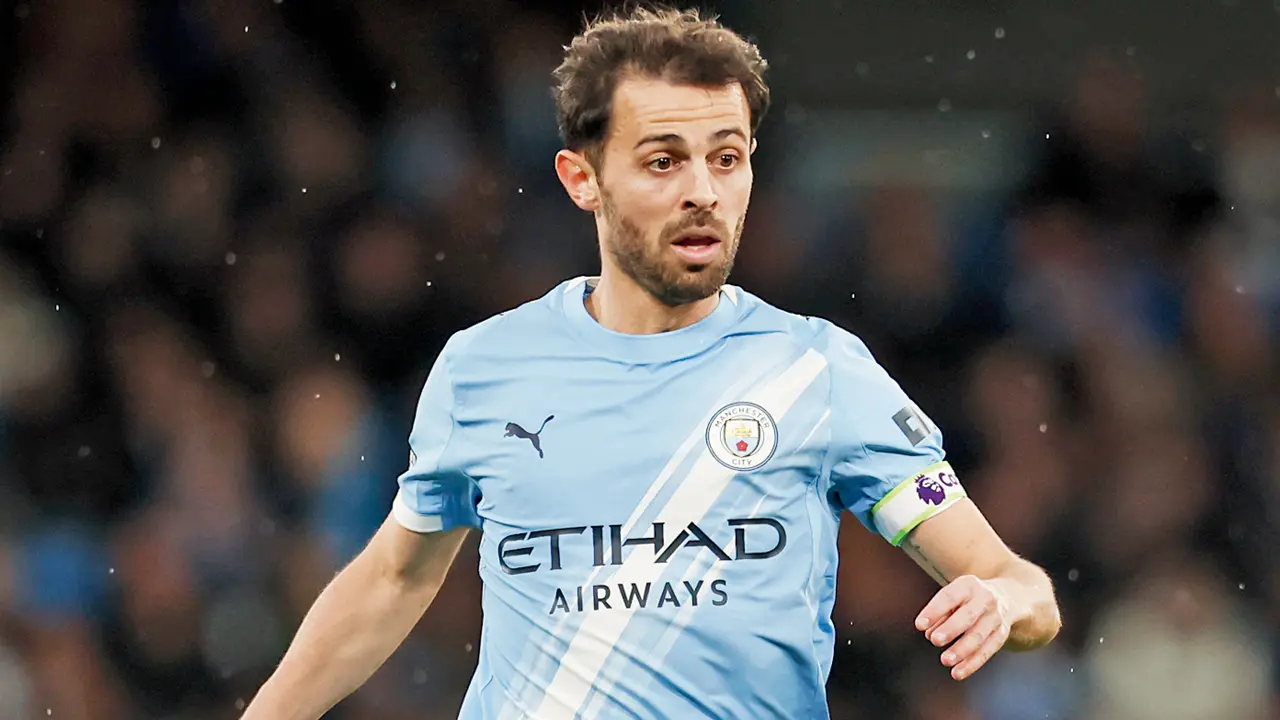
Manchester City arrives at the final riding the wave of that impressive win against Crystal Palace. A 3-0 scoreline, as captured in the image of skipper Bernardo Silva, suggests a team in prime form, brimming with confidence and clicking on all cylinders. This momentum, while requiring quick recovery, could be a powerful psychological advantage. They are in the rhythm of winning, a crucial trait in high-stakes encounters.
On the other side, Chelsea’s preparation has been markedly different. Their last outing was a 1-1 draw against Liverpool last Saturday, affording them a full week to rest, strategize, and recuperate. This extended break offers clear physical benefits, allowing players to shake off knocks, hone tactics, and arrive at Wembley fresh. The contrast in preparation creates a fascinating narrative: will City’s relentless momentum prevail, or will Chelsea’s strategic rest provide the decisive edge?
Guardiola’s Mental Game
Pep Guardiola is a master of the mental game, not just on the training ground but in the media. By framing the tight schedule as a test of greatness, he subtly shifts the narrative from potential disadvantage to a badge of honour. He’s challenging his players to rise to the occasion, to embody the very definition of a “big club.” This isn’t about complaining; it’s about empowerment. It reinforces the idea that true champions don’t just win; they overcome.
This approach is typical of Guardiola, who consistently seeks to derive strength from perceived weaknesses. He transforms external pressures into internal motivation, cultivating a mindset where adversity is not just endured but embraced as a path to glory. For a squad as talented and ambitious as Manchester City’s, this kind of leadership is invaluable, especially as they chase yet another piece of silverware.
The Weight of Wembley
The FA Cup, with its rich history and tradition, holds a special place in English football. For both Manchester City and Chelsea, lifting the trophy at Wembley would be a significant achievement, adding another illustrious chapter to their respective stories. City will be looking to cement their dominance, while Chelsea will be eager to prove their mettle against one of the toughest opponents in Europe.
The final promises to be a tactical chess match, but also a battle of wills. Guardiola’s words suggest that the outcome might hinge less on the specific tactics and more on the intangible qualities of mental strength, resilience, and the sheer desire to push through fatigue and pressure. Which team will truly embody the spirit of a “big club” when faced with the crucible of a Wembley final?
Why This Matters
Guardiola’s insight transcends this particular final. It speaks to a universal truth in elite sports and, indeed, in life: genuine character is revealed not in comfort, but in crisis. For football fans, it highlights the immense physical and psychological demands placed on modern players and managers. It’s a reminder that success at the highest level isn’t just about talent; it’s about an unwavering mindset and the ability to turn obstacles into stepping stones on the path to greatness.