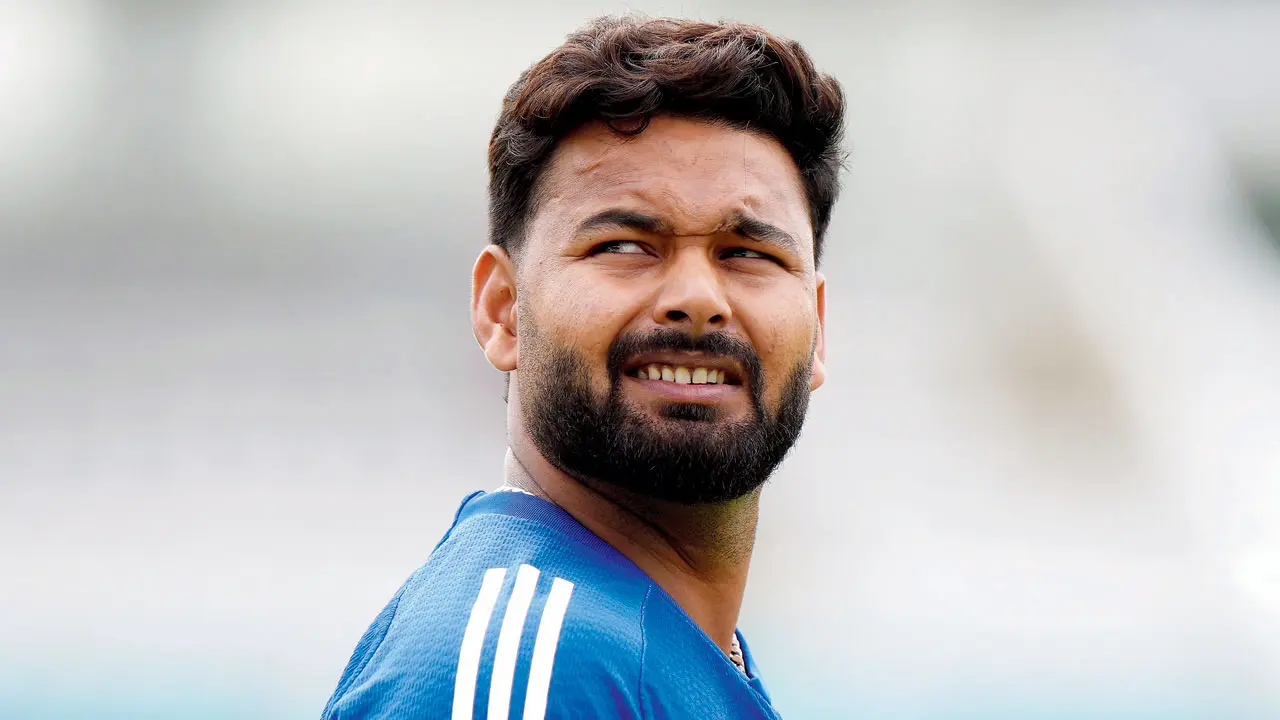
Cricket fans, buckle up. Major news is brewing from the corridors of Indian cricket, and it concerns none other than the dynamic keeper-batter, Rishabh Pant. Whispers are turning into serious discussions, suggesting that the flamboyant 28-year-old could be relieved of his Test vice-captaincy duties. The national selectors are set to convene in Guwahati on Tuesday to pick the Test and ODI squads for the upcoming series against Afghanistan, and Pant’s leadership future is reportedly high on the agenda.
### The Buzz from the BCCI
Sources close to the Board of Control for Cricket in India (BCCI) indicate a growing sentiment that the added burden of leadership isn’t quite clicking with Pant, and more crucially, it might be impacting his phenomenal batting. It’s a delicate balance for any player, but for a match-winner like Pant, optimizing his primary role seems to be the driving force behind these internal deliberations.
“Indian cricket simply cannot afford to lose a batting match-winner like Rishabh,” a BCCI source revealed to PTI, speaking on condition of anonymity. “He has won and set-up Test matches with his aggressive batting. There is a growing feeling among men who matter that whenever he has been entrusted with additional responsibility, he doesn’t seem to make good decisions while batting.”
This isn’t about Pant’s talent, which is undeniable, but rather about where his focus is best placed for the team’s benefit. The management appears keen on ensuring he remains the explosive, game-changing batsman we all know and love, unburdened by the tactical pressures of leadership.
### The Captaincy Conundrum
The sentiment stems from a couple of recent stints where Pant donned the captain’s armband. His two seasons leading the Lucknow Super Giants (LSG) in the Indian Premier League (IPL) are cited as a significant testimony to this evolving perspective. While the IPL is a different beast entirely from Test cricket, the insights gained from observing a player’s leadership style and decision-making under pressure are often transferable.
More tellingly for the red-ball format, Pant’s tactical acumen came under scrutiny during a Test match against South Africa last November in Guwahati, where he stepped in as captain in Shubman Gill’s absence. The perception was that he wasn’t always tactically astute, a vital quality for a Test captain or vice-captain, especially when making on-field adjustments that can swing the momentum of a game.
Test cricket demands a unique blend of strategic thinking, patience, and the ability to adapt to ever-changing conditions. While Pant’s natural aggression is a boon with the bat, it might, at times, translate into impulsive decisions when leading, potentially at the expense of his own batting focus.
### Prioritizing the Batting Powerhouse
The core of the discussion revolves around protecting Pant’s primary strength: his extraordinary ability to turn a game with his bat. He’s a player who thrives on instinct and aggression, capable of dismantling any bowling attack on his day. From audacious reverse sweeps off fast bowlers to fearless charges down the track, Pant has redefined wicketkeeper-batting in Test cricket.
The argument is that if the responsibility of vice-captaincy, which often involves being an active voice in strategy meetings, field placements, and bowling changes, is distracting him or making him overthink at the crease, then it might be counterproductive. The Indian team needs a free-flowing, confident Rishabh Pant with the bat more than it needs him to be a vice-captain. Removing the leadership tag could potentially free him up to return to his most destructive form, solely focused on scoring runs and winning matches.
### Other Selection Discussions
While Pant’s future as vice-captain dominates the headlines, the selection committee, alongside secretary Devajit Saikia, will also hold informal discussions about other key players. One name specifically mentioned is Suryakumar Yadav, whose place in the white-ball squad could be under the scanner due to a “poor run of form during the last one and half years.” While India isn’t playing any T20Is against Afghanistan, these informal chats often pave the way for future selection decisions across formats.
The Guwahati meeting will be crucial for mapping out India’s immediate future in both Test and ODI cricket, with an eye on upcoming international assignments.
### Why This Matters
This isn’t just about a change in a title; it’s a strategic move by the Indian team management to optimize a crucial player’s performance. By potentially relieving Rishabh Pant of the vice-captaincy, they aim to ensure he can fully unleash his match-winning batting capabilities without the added pressure or distraction of leadership. For fans, it means hoping to see the uninhibited, aggressive Pant who has enthralled us with his incredible Test innings. For Indian cricket, it’s about making pragmatic decisions to maximize the strengths of their most impactful players, ensuring long-term success and consistency, particularly in the demanding red-ball format.
The upcoming days will reveal the final decisions, but the message is clear: Rishabh Pant’s batting brilliance is considered paramount, and the team is willing to make tough calls to protect it.