## Key Takeaways
– The Netherlands suffered a 0-1 defeat to Algeria in a warm-up fixture just over a week before the FIFA World Cup.
– Dutch manager Ronald Koeman described the loss as a “wake-up call,” despite expressing frustration with the outcome.
– Anis Hadj Moussa scored the decisive late goal for Algeria, underscoring the challenge posed by their opponents.
## Main Developments
Rotterdam witnessed an unexpected turn of events as the Netherlands national football team, under the guidance of manager Ronald Koeman, fell to a 0-1 defeat against Algeria in a crucial pre-FIFA World Cup friendly match. This result, occurring little more than a week before the commencement of the global tournament, has prompted discussions about the team’s preparations and immediate outlook.
The match, played on a Wednesday, concluded with a late goal from Algeria’s Anis Hadj Moussa, which ultimately secured a surprising victory for the North African side. The timing of this setback is particularly noteworthy, given the advanced stage of the Dutch squad’s World Cup readiness. Such warm-up encounters are typically viewed as final opportunities for coaches to fine-tune tactics, assess player form, and build team cohesion before the intense pressure of competitive group stage fixtures.
Following the match, Koeman conveyed a mixed message, acknowledging his significant frustration with the performance and the final scoreline. Despite his evident disappointment, the Dutch manager quickly moved to frame the result not as a cause for alarm, but rather as a timely admonition. He stated that there was “no need to panic,” characterizing the loss as a “wake-up call” for his squad. This perspective suggests an intent to leverage the defeat as a learning experience, prompting deeper reflection and perhaps adjustments in the final days leading up to the tournament.
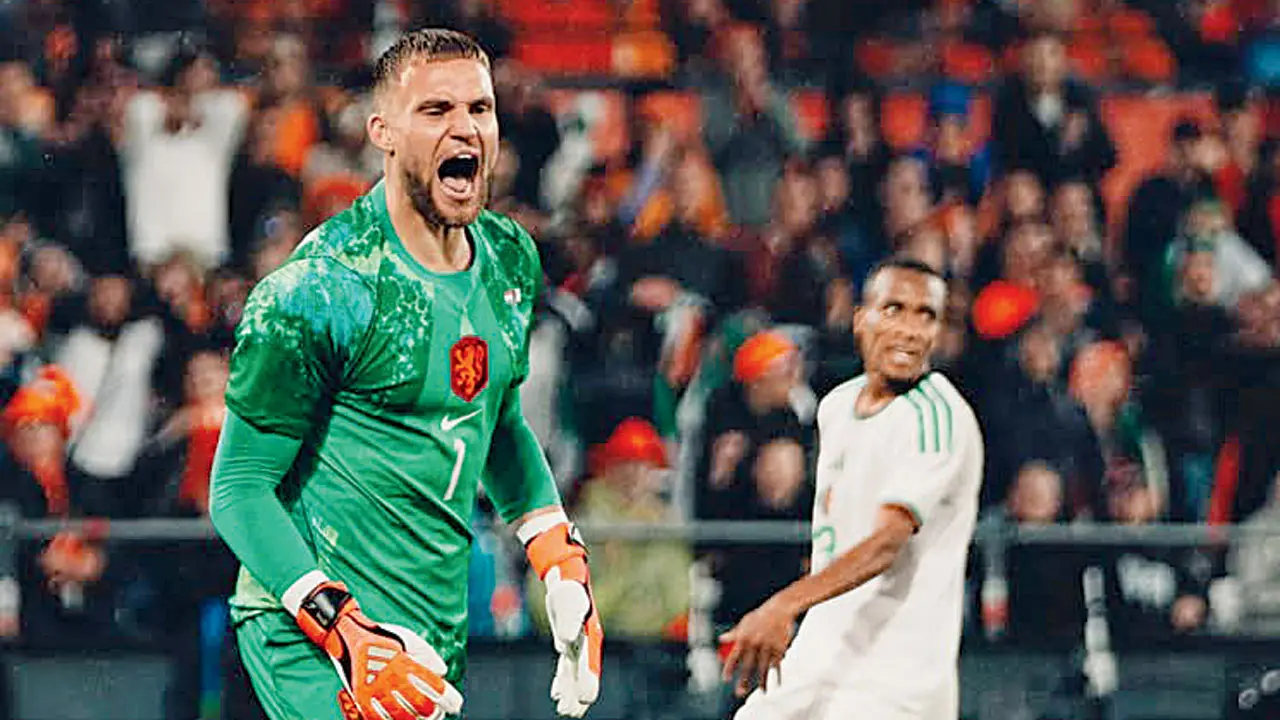
The nature of a “wake-up call” in football can encompass several elements. It often implies a need for increased focus, a re-evaluation of strategies, or an acknowledgment of potential complacency within the team. For a squad heading into an event as significant as the FIFA World Cup, even a seemingly minor setback in a friendly can serve to sharpen collective resolve and highlight areas requiring immediate attention. Goalkeeper Bart Verbruggen was observed yelling at a teammate during the match, a moment that visually underscored the on-field frustrations that permeated the Dutch camp during the unexpected loss. Such incidents, though part of the heat of the moment, often indicate a broader tension or a demand for higher standards within the team.
The Netherlands is slated to compete in Group F at the World Cup, where they are drawn alongside formidable opponents: Sweden, Tunisia, and Japan. Each of these teams presents a distinct challenge, demanding a high level of performance, tactical discipline, and mental fortitude from the Dutch side. The recent loss against Algeria, while not directly impacting their group standing, could nevertheless influence their psychological preparation and approach to these initial tournament fixtures. It may prompt Koeman and his coaching staff to scrutinize player roles, tactical formations, and set-piece routines with renewed intensity.
For Algeria, the victory over a prominent European footballing nation like the Netherlands offers a significant boost in confidence, particularly as they also prepare for their own World Cup campaign. Algeria finds itself in Group J for the tournament, a challenging quartet that includes Argentina, Jordan, and Austria. Their ability to secure a win against a strong opponent, especially with a late goal, demonstrates their capability to compete at a high level and provides positive momentum as they finalize their own preparations for the global stage.
The period immediately preceding a major tournament is often a delicate balance between rigorous training, maintaining player fitness, and managing psychological readiness. A defeat, particularly one deemed unexpected, can either destabilize a team or, as Koeman hopes, act as a catalyst for improved focus and performance. The true impact of this particular friendly result will only become apparent once the Netherlands begins its World Cup journey in Group F. The challenge for Koeman will be to ensure that the “wake-up call” resonates effectively without instilling doubt or undermining the collective confidence essential for success on the world’s biggest football stage.
Friendly matches serve as critical diagnostic tools, revealing both strengths and vulnerabilities. While the result itself holds no competitive weight, the lessons gleaned from such encounters are invaluable. The Dutch coaching staff will undoubtedly be dissecting every aspect of the game against Algeria, from individual player performances to overall team dynamics, in their final push to optimize the squad for the upcoming World Cup challenge. The objective remains to convert this experience into tangible improvements that can propel the Netherlands deep into the tournament.
The footballing world will now observe closely how the Netherlands responds to this pre-tournament stumble. The emphasis on avoiding panic, coupled with the recognition of a need for heightened awareness, sets the tone for the remaining days of their World Cup preparation. It underscores the perpetual quest for perfection and the necessity of learning from every experience, even those that bring disappointment, as a team gears up for the pinnacle of international football.
## Why This Matters
This unexpected defeat to Algeria just over a week before the FIFA World Cup is significant for the Netherlands as it offers a critical, albeit late, opportunity for introspection and adjustment. For a national team with high aspirations, a loss of this nature can either expose fundamental weaknesses that need urgent attention or, if managed correctly by the coaching staff, serve as a powerful motivator to eliminate complacency. It directly impacts the final psychological and tactical preparations for the World Cup, potentially altering training focus, team selection considerations, and the overall mindset as they enter Group F against Sweden, Tunisia, and Japan. The manager’s interpretation of it as a “wake-up call” highlights the immediate challenge for the team to convert a setback into a source of renewed determination and strategic refinement before the tournament begins.
## Frequently Asked Questions
What was the score of the match between the Netherlands and Algeria?
The Netherlands lost to Algeria with a final score of 0-1.
Who scored the winning goal for Algeria against the Netherlands?
Anis Hadj Moussa scored the late winning goal for Algeria.
What was Dutch manager Ronald Koeman’s reaction to the defeat?
Ronald Koeman was reportedly fuming with the result but also stated that there was “no need to panic” and that the loss was a “wake-up call” for his team.