## Key Takeaways
– Nearly 150 players in the Indian Super League (ISL) are seeing their contracts expire, marking a significant transition period.
– This group includes several prominent members of the current national football team, adding another layer of consequence.
– The widespread contract expirations are poised to trigger substantial activity in the upcoming transfer window, potentially reshaping team rosters across the league.
## Main Developments
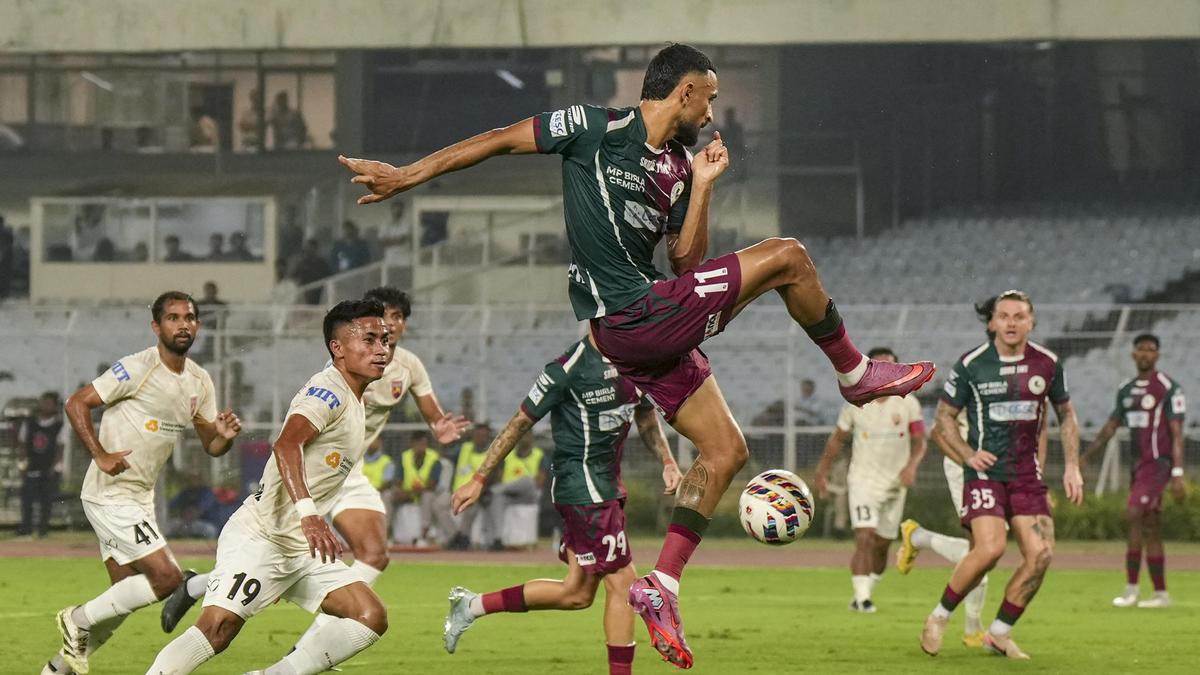
The Indian Super League (ISL) is on the cusp of a transformative period as contracts for approximately 150 players are set to conclude. This substantial number signals an impending wave of movement and strategic decisions for clubs and individuals alike, fundamentally altering the competitive landscape of India’s premier football league. Such a widespread expiry of agreements is a common, yet critical, juncture in professional sports, forcing teams to reassess their squads, identify new talent, and engage in intense negotiations to retain key players or acquire fresh faces.
The sheer volume of players involved, representing a significant portion of the league’s overall professional roster, suggests that almost every ISL club will face substantial decisions regarding their squad composition for the forthcoming season. Teams will need to navigate a complex environment of player valuations, wage demands, and strategic alignments to build competitive units. This period is not merely about replacing outgoing players; it is an opportunity for clubs to re-evaluate their long-term vision, coaching philosophies, and tactical approaches, aligning their recruitment efforts with their ambitions for league success and potential continental aspirations.
A particularly noteworthy aspect of this development is the inclusion of several players who are currently active members of the Indian national team. The contract status of these high-profile athletes carries implications beyond their individual club careers. National team players often form the backbone of their respective ISL sides, and their availability in the transfer market could spark intense competition among clubs. For the players themselves, securing their future involves weighing factors such as playing time, salary, club prestige, and the potential impact on their national team prospects. Any change in their club environment, or even a period of uncertainty, could influence their form and match fitness, which is a consideration for the national team coaching staff as well.
This significant influx of free agents will inevitably energize the transfer market. Clubs will be meticulously scouting talent, not only within the ISL but potentially looking to other leagues for reinforcements or replacements. The negotiation tables are expected to be busy, with player agents playing a crucial role in brokering deals and representing their clients’ interests. The competition for top-tier talent, especially those with national team experience, is likely to be fierce, possibly driving up player values and contract offers. This dynamic market often leads to strategic gambles by clubs, as they balance immediate needs with long-term financial sustainability.
For players whose contracts are expiring, this phase presents both opportunities and challenges. While some may secure improved deals with their current clubs or find lucrative offers elsewhere, others might face uncertainty, seeking new employers in a competitive environment. The prospect of becoming a free agent allows players greater autonomy in choosing their next destination, potentially prioritizing factors like playing style, coaching staff, or even geographical location. However, it also means a period without a guaranteed club, requiring careful planning and astute decision-making from both the players and their representatives.
The overarching consequence for the ISL is a probable reshuffling of talent that could significantly alter the league’s competitive balance. Teams that excel in their recruitment and retention strategies during this window stand to gain a considerable advantage. Conversely, clubs that falter in securing key players or making astute signings might find themselves struggling in the new season. This period of transition is a testament to the evolving professional ecosystem of Indian football, where player contracts and transfer dynamics are increasingly pivotal to sporting success and club stability. The decisions made in the coming weeks and months will shape the narratives and rivalries of the ISL for the foreseeable future.
## Why This Matters
This widespread expiry of contracts within the Indian Super League holds considerable importance for various stakeholders, from club management and players to fans and the national football setup. For the ISL clubs, it marks a critical juncture where strategic decisions made now will directly impact their competitiveness and financial health in the upcoming seasons. The ability to successfully navigate this transfer window by retaining key talent, recruiting shrewdly, and managing budgets effectively will differentiate the league’s contenders from its strugglers. This period tests the organizational capabilities and long-term vision of each franchise.
For the players involved, particularly those in the national team, their contractual status is more than just a matter of employment; it is about career trajectory, financial security, and the pursuit of sporting ambitions. Decisions made regarding their next club could influence their form, playing time, and ultimately their chances of representing the country at the highest level. Any disruption or uncertainty for national team players could, in turn, have implications for the overall strength and cohesion of the Indian national squad, which is a major concern for the federation and supporters.
Beyond the immediate sporting implications, this event highlights the maturation of the ISL as a professional league. The regular cycle of contract expirations, player movements, and transfer negotiations is a hallmark of established football leagues globally. It fosters a dynamic environment, creating excitement for fans who eagerly anticipate new signings and squad developments. The movement of nearly 150 players ensures that the upcoming transfer window will be a period of significant news and speculation, keeping the football community engaged and invested in the league’s future direction. It underscores the business aspect of modern football, where player assets and market activity are fundamental to the sport’s ecosystem.
## Frequently Asked Questions
How many ISL players are impacted by expiring contracts?
Approximately 150 players in the Indian Super League are facing the expiration of their current contracts, leading to a substantial period of transition for the league.
Are any national team players among those whose contracts are ending?
Yes, the group of players whose contracts are expiring includes several individuals who are current members of the Indian national football team, adding particular significance to their upcoming career decisions.
What does this mean for ISL clubs and the upcoming season?
ISL clubs will be heavily involved in strategic squad rebuilding, recruitment, and player retention efforts during the transfer window. This activity is expected to significantly alter team rosters and could reshape the competitive balance of the league for the next season.