## Key Takeaways
– Former India captain Diana Edulji emphasizes the need for senior players to minimize dot balls and value their wickets in T20 cricket.
– This advice follows India’s 1-2 T20I series defeat against England, just days before the T20 World Cup commences.
– Skipper Harmanpreet Kaur and other experienced batters like Smriti Mandhana are specifically tasked with greater responsibility.
## Main Developments
As the Women’s T20 World Cup approaches, set to begin in England on June 12, the Indian team faces a critical period of adjustment and strategy refinement. Recent performance indicates areas for immediate improvement, particularly following a 1-2 T20 International series loss against host nation England. This defeat, occurring mere days before the global tournament, has prompted sharp analysis and calls for enhanced performance from within the cricketing fraternity.
Former India captain Diana Edulji has voiced her concerns and offered direct advice to the squad, underscoring the urgency for strategic changes. Her primary message to the players revolves around two crucial aspects of T20 cricket: significantly reducing the number of ‘dot balls’ faced and instilling a greater ‘price tag’ on their wickets. These tactical adjustments, Edulji suggests, are paramount for the team’s success in the upcoming World Cup.
The concept of ‘dot balls’ is central to T20 strategy. In this fast-paced format, every delivery is an opportunity to score, maintain momentum, or rotate strike. A dot ball, a delivery from which no runs are scored, essentially translates into a missed opportunity to build pressure on the opposition and advance the scoreboard. Accumulating too many dot balls can stifle a team’s scoring rate, creating immense pressure on subsequent batters to accelerate, often leading to risky shots and preventable dismissals. For a team aiming for consistent high scores and effective chases, minimizing these non-scoring deliveries is fundamental. It requires a proactive batting approach, smart shot selection, and efficient strike rotation to keep the scoreboard ticking and prevent periods of stagnation that allow opposition bowlers to settle into a rhythm.
Equally significant is Edulji’s call to “put a price tag on your wicket.” This idiom in cricket emphasizes the immense value of a batter’s presence at the crease. In T20 cricket, maintaining wickets is crucial, as it allows for power hitters to exploit the latter overs and maximize scoring. Losing wickets cheaply, especially in quick succession, can derail an innings, forcing new batters to take risks prematurely or consolidating, thereby slowing down the scoring rate. An experienced batter who stays at the wicket provides stability, forms crucial partnerships, and can anchor the innings, allowing more aggressive players to bat around them. This advice highlights the need for a balance between aggression and sensible batting, ensuring that batters do not throw away their starts and contribute significantly to the team’s total.
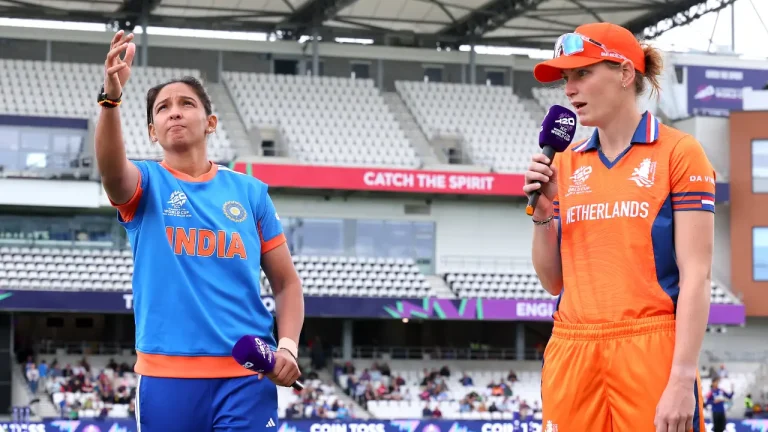
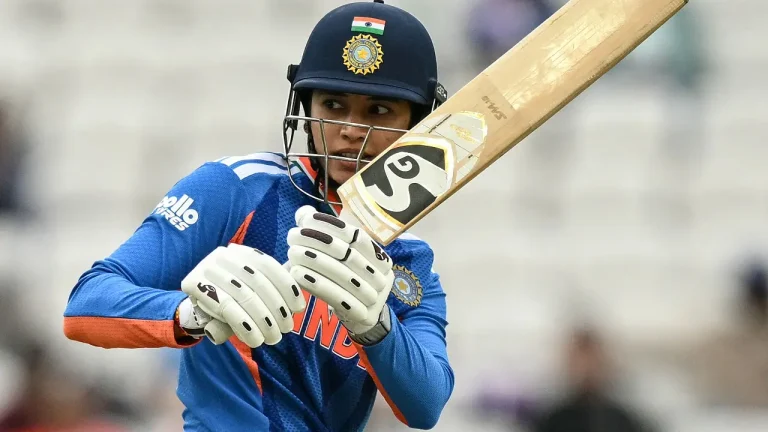
Edulji has specifically highlighted the responsibility resting on the shoulders of the team’s senior players. Captain Harmanpreet Kaur, alongside key batters Smriti Mandhana, Shafali Verma, and Jemimah Rodrigues, are identified as individuals who must lead from the front. Their experience, skill, and ability to perform under pressure will be vital in setting the tone for the entire team. These players are expected not only to embody the strategic adjustments but also to deliver substantial performances that can turn matches in India’s favour. Their leadership, both through example and on-field decisions, will be a defining factor in India’s World Cup campaign.
The 1-2 series defeat to England serves as a timely reminder of the competitive landscape India will navigate in the World Cup. While the Indian women’s team achieved a historic milestone by winning their maiden ICC Women’s ODI World Cup just last November, the T20 format presents a different set of challenges and demands. The success in the 50-over format undoubtedly demonstrated the team’s potential and ability to clinch major titles, but the rapid-fire nature of T20 requires a distinct strategic mindset and execution.
The upcoming T20 World Cup schedule poses an immediate test for India. Placed in Group 1, India will contend with formidable opponents including Australia, South Africa, Bangladesh, Pakistan, and the Netherlands. This challenging group ensures that every match will be fiercely contested, requiring the Indian squad to be at their absolute best from the outset. Their opening fixture is scheduled against arch-rivals Pakistan on June 14 in Birmingham, a match that traditionally carries heightened pressure and significance. Starting the tournament with a strong performance in such a high-stakes encounter will be critical for building momentum and confidence for the rest of the group stage.
The call for strategic improvements from a veteran like Diana Edulji underscores the importance of refining fundamental aspects of T20 batting. It reflects a deeper analysis of recent performances and a proactive approach to address potential weaknesses before the tournament’s critical stages. For Harmanpreet Kaur and her team, internalizing this advice and translating it into effective on-field execution will be essential as they strive to add a T20 World Cup title to their growing list of achievements. The blend of past success and current challenges sets the stage for a compelling World Cup journey for the Indian women’s cricket team.
## Why This Matters
This situation highlights the continuous pressure on elite sports teams to adapt and perform, especially after a setback. For the Indian women’s cricket team, Edulji’s clear advice, coming just before a major tournament, is a direct challenge to improve fundamental T20 batting strategies. It underscores that even successful teams must constantly evolve to meet the demands of different formats and competitive landscapes. Readers should care because it reflects the high stakes of international cricket, the intense scrutiny faced by top athletes, and the strategic adjustments necessary to contend for a global championship. The performance of key senior players will significantly influence India’s chances, making their response to this counsel crucial for the team’s World Cup aspirations and national pride.
## Frequently Asked Questions
What specific advice did Diana Edulji give to the Indian women’s cricket team?
Former India captain Diana Edulji advised the team, particularly senior players, to “play lesser dot balls” and “put a price tag on your wicket” to enhance their batting performance in the T20 format.
Why is this advice being given now?
This advice comes after the Indian women’s team experienced a 1-2 T20 International series loss to England, just ahead of the T20 World Cup which is scheduled to begin on June 12, 2026.
Which players did Diana Edulji specifically mention as needing to step up?
Edulji specifically named skipper Harmanpreet Kaur and other senior batters like Smriti Mandhana, Shafali Verma, and Jemimah Rodrigues, emphasizing their responsibility to deliver strong performances.