## Key Takeaways
– Kuldeep Yadav stated the inherent difficulty for players when rapidly transitioning between T20 and Test cricket.
– He emphasized the critical need for dedicated preparation to adapt to the distinct demands of red-ball cricket after a T20 season.
– Yadav personally undertook specific training for over a week to re-familiarize himself with the red ball ahead of an upcoming Test match.
## Main Developments
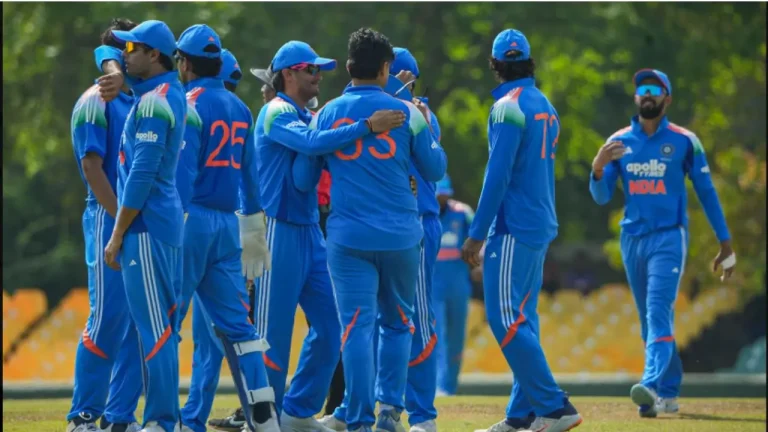
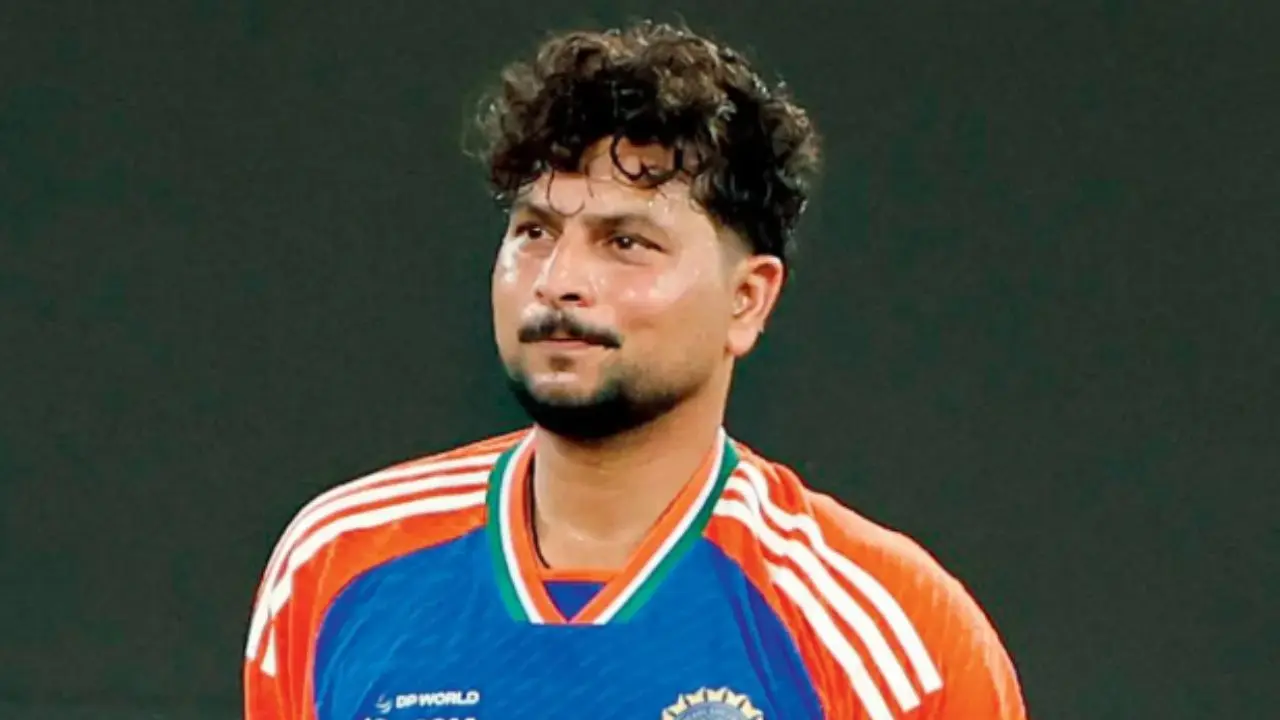
Indian international spinner Kuldeep Yadav has shed light on a significant challenge facing modern cricketers: the demanding shift between the high-octane environment of Twenty20 (T20) cricket and the enduring intensity of Test matches within a condensed timeframe. His remarks come as Indian players prepare for a one-off Test match against Afghanistan, scheduled just a week after the conclusion of the Indian Premier League (IPL) final.
Yadav openly acknowledged the arduous nature of this transition, telling ‘JioHotstar’ that moving from the demands of IPL cricket to the rigours of red-ball cricket presents a considerable hurdle. He stressed that thorough preparation becomes not merely beneficial but absolutely essential for players to successfully navigate this change.
The fundamental disparity between T20 and Test cricket forms the crux of this difficulty. T20 is a format synonymous with explosive power, rapid scoring, and an unyielding aggressive mindset. Batsmen are trained to attack from the very first ball, seeking boundaries and quick runs, while bowlers primarily focus on variations, slower deliveries, and wicket-taking options designed to disrupt the opposition’s momentum in short, sharp bursts.
In stark contrast, Test cricket stands as the ultimate examination of a player’s skill, patience, and unwavering endurance. Unfolding over five days, it demands a meticulously crafted approach. Batsmen prioritize preserving their wicket, constructing lengthy innings, and systematically wearing down the opposing bowling attack. Bowlers, on the other hand, must sustain relentless pressure, exploiting subtle movements of the red ball and adapting to the evolving conditions of the pitch over extended spells. The mental and technical recalibration required to shift between these two vastly different philosophies is profound.
Kuldeep Yadav underscored the importance of proactive measures to bridge this gap. He revealed that he dedicated a significant period of time to preparation, engaging in practice sessions for an estimated 10 to 15 days. This focused training was specifically aimed at “getting the feel of the red ball,” a crucial step for any bowler, particularly a spinner, when transitioning from the white-ball game.
For a spinner like Yadav, adapting to the red ball involves a multitude of specific adjustments. The red ball differs markedly from its white counterpart in weight, seam, and how it behaves over time. Its more pronounced seam and different composition can influence grip and release, which in turn impacts the flight, drift, and spin a bowler can impart. As the red ball wears, it becomes softer and rougher, potentially offering greater purchase for spinners or even enabling reverse swing for pace bowlers. Understanding and exploiting these characteristics requires extensive practice, allowing the spinner to regain mastery over their craft. This includes bowling longer spells to build rhythm and endurance, experimenting with varied flight paths and trajectories better suited for the longer format, and adapting to how the ball reacts on different Test match surfaces, which can evolve significantly over five days.
The challenge extends beyond spinners to every player on the field. For batsmen, the transition involves moving from a mindset of immediate aggression to one of building an innings, defending patiently, and leaving deliveries outside the off-stump with discipline. They must adjust their technique to account for the red ball’s greater movement off the pitch and through the air, and prepare for the psychological demand of batting for hours, not just minutes. Similarly, fast bowlers must shift from short, high-intensity spells to sustained efforts, managing their workload, varying their pace and line, and patiently setting up batsmen over many overs. This demands a different level of physical conditioning and strategic thinking compared to the demands of T20s.
The condensed nature of the modern cricketing calendar often sees players moving directly from high-stakes franchise leagues, such as the IPL, into international assignments across different formats. This tight scheduling inherently limits the dedicated preparation time available. Yadav’s experience highlights that successful transitions are not automatic; they rely heavily on players’ commitment to rigorous training and their ability to quickly adapt their physical and mental approaches. His admission serves as a valuable insight into the professional disciplines required to excel across all forms of the game.
Ultimately, the ability of players to effectively switch between formats is paramount for their individual performance, career longevity, and the overall success of their teams. Yadav’s comments, made on June 4, 2026, underscore a persistent logistical and skill-based hurdle in contemporary cricket, emphasizing that the distinction between formats requires more than just a change of uniform; it demands a profound technical and tactical reorientation.
## Why This Matters
This issue directly impacts the quality of cricket fans witness and the performance of national teams. When players transition quickly between formats without adequate preparation, there is an increased risk of injuries, burnout, and suboptimal performance. For a team, this could mean players struggling to adapt to Test match conditions, leading to inconsistent results. For individual players, it tests their versatility and resilience, potentially affecting their careers. The tight scheduling of modern cricket puts immense pressure on athletes, and understanding their challenges, as highlighted by Kuldeep Yadav, is crucial for fostering sustainable player welfare and ensuring that the purest form of the game, Test cricket, continues to showcase peak athletic and strategic excellence. It also brings into focus the ongoing debate about cricket calendars and player management in an increasingly congested schedule.
## Frequently Asked Questions
What did Kuldeep Yadav say about transitioning between cricket formats?
Kuldeep Yadav stated that switching from T20 cricket, specifically the IPL, to red-ball (Test) cricket in a short period is a difficult task. He emphasized the critical need for preparation to make this transition effectively.
How did Kuldeep Yadav prepare for the Test match after the IPL?
Yadav revealed that he dedicated between 10 to 15 days to practice. His main objective during this period was to “get the feel of the red ball,” allowing him to re-acclimatize to its unique characteristics and the demands of Test bowling.
Why is it challenging for cricketers to switch from T20 to Test matches quickly?
The challenge stems from the fundamental differences between the two formats. T20 demands an aggressive, fast-paced approach with a white ball, while Test cricket requires immense patience, endurance, and strategic depth with a red ball that behaves differently. Players must adjust their physical conditioning, mental approach, technical skills, and tactical game plans to suit each distinct format.