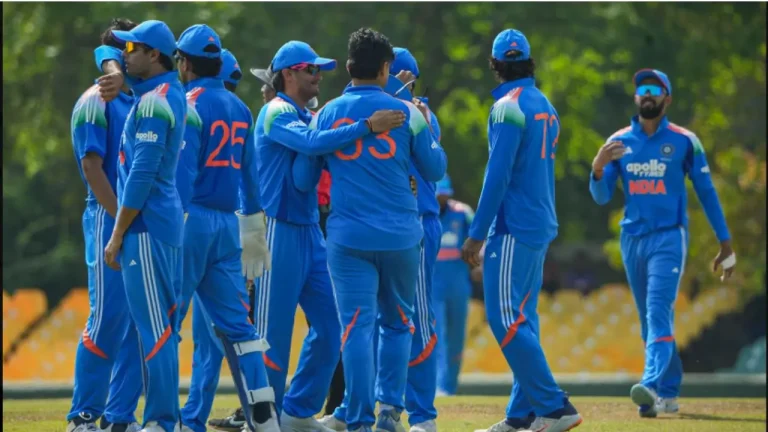
As the dust settles on another electrifying Indian Premier League (IPL) season, the focus of Indian cricket quickly shifts from franchise rivalries to national colours. Today marks a pivotal moment, with the senior men’s selection committee, spearheaded by Ajit Agarkar, meeting to finalise India’s squads for the upcoming home series against Afghanistan. This isn’t just another bilateral fixture; it’s a critical checkpoint in India’s post-IPL strategy, balancing workload management, format priorities, and the long-term vision towards the next ODI World Cup.
The Post-IPL Reckoning: Rest or Rhythm?
The immediate challenge for the selectors is navigating the gruelling demands of modern cricket. With the Afghanistan Test, a one-off encounter starting June 6 in New Chandigarh, not counting towards the World Test Championship (WTC) cycle, the Board of Control for Cricket in India (BCCI) is expected to grant much-needed rest to several key regulars. The IPL’s intense schedule, coupled with upcoming international commitments, necessitates careful player management to prevent burnout. This strategic decision opens a significant window of opportunity for a new crop of talent, eager to make their mark on the international stage.
A Fresh Batch of Talent Knocks
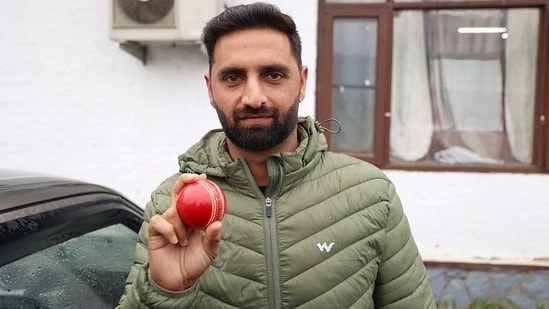
Whispers from the selection corridors suggest a fresh infusion of energy into the squad. Names like Karnataka’s elegant left-handed opener Devdutt Padikkal, known for his fluent strokeplay and consistent domestic performances, are firmly in contention. Uttar Pradesh’s promising spinner Harsh Dubey and Jammu & Kashmir’s pace prospect Aquib Nabi are also reportedly on the radar, indicating a proactive approach to broadening India’s talent pool across all departments.
Furthermore, the domestic circuit has thrown up other contenders. Rajasthan’s left-arm spinner Manav Suthar has impressed with his control and wicket-taking ability, potentially offering a fresh spin option. Young Punjab pacer Gurnoor Brar is another name that has been generating buzz, with a maiden call-up looking increasingly likely as India weighs its future pace options beyond the established stars. These selections, if they materialise, underscore the selectors’ intent to build a robust bench strength for all formats.
Leadership and The Batting Conundrum
While new faces are set to grab headlines, the leadership mantle for the series is expected to fall on the shoulders of dynamic opener Shubman Gill. His composure and rising stature in international cricket make him a natural fit to lead a potentially younger side.
The middle order and wicketkeeper-batter roles, however, present a fascinating challenge. KL Rahul remains central to India’s plans, offering versatility with both bat and gloves. Yet, the relentless performances of young turks like Ishan Kishan and Sanju Samson in recent domestic and IPL outings have intensified the competition. Both have aggressively pushed their cases, making selection a tightrope walk for Agarkar and his team. Who gets the nod, and in what format, will reveal much about India’s preferred batting combinations and future plans.
Pace Spearhead’s Predicament: The Bumrah Question
Perhaps the sharpest focus of the selection meeting will be on India’s premier fast bowler, Jasprit Bumrah. His workload has been a constant talking point, especially after recurring injury concerns. With the IPL squeezing the recovery window, the selectors face a crucial decision: does Bumrah need complete protection, gentle rhythm by playing a limited role, or a careful balance across formats? His presence is invaluable, but his long-term fitness is paramount, particularly with major ICC tournaments on the horizon. The inclusion of new pace options like Aquib Nabi and Gurnoor Brar directly addresses this concern, aiming to reduce the burden on seasoned campaigners and develop a strong backup pipeline.
The Hardik & Rohit Factor
Adding another layer of complexity are the situations surrounding Hardik Pandya and Rohit Sharma. While the article specifically mentions “The Hardik Pandya call” and “Rohit Sharma’s fitness is a concern,” it implies decisions around their availability and management. Hardik’s fitness and bowling contributions are critical, particularly in white-ball cricket. Similarly, if Rohit Sharma’s fitness remains a concern, it could open further opportunities for new leaders or a temporary captain for specific formats, reinforcing the theme of strategic rest and player care.
Why This Matters
This Afghanistan series, though seemingly small, carries significant weight. It’s not just about winning matches; it’s about strategically building for the future. By resting key players and blooding new talent, India aims to manage player burnout, evaluate fresh prospects under international pressure, and strengthen its bench depth across all formats. These selections will lay the groundwork for upcoming ICC events and define the long-term trajectory of Indian cricket, showcasing a proactive approach to succession planning and sustained excellence. It’s about creating a resilient, adaptable squad capable of performing consistently at the highest level for years to come.