## Key Takeaways
– India declared their first innings at a commanding 564 for eight wickets on Day 2 of the one-off Test.
– Afghanistan faced early pressure in their reply, concluding the pre-tea session at 28 for one wicket.
– Debutant Indian spinner Manav Suthar claimed his maiden Test wicket, dismissing Abdul Malik.
## Main Developments
In a pivotal phase of the one-off Test match at Mullanpur, India asserted significant control by declaring their first innings at a formidable total of 564 runs for the loss of eight wickets on the second day. This declaration, made in the early afternoon, signaled India’s intent to apply immediate pressure on the visiting Afghanistan side, aiming to capitalize on the remaining overs of the day.
The decision to declare at such a substantial score underscores India’s confidence in their batting performance and their bowlers’ ability to make early inroads. A first innings total exceeding 500 runs in Test cricket is often considered a strong platform, providing the batting team with a considerable advantage and allowing the captain tactical flexibility to dictate the pace of the game. By declaring, India sought to maximize the time available to bowl out Afghanistan, thereby strengthening their position in the contest.
Following the declaration, Afghanistan commenced their first innings under challenging circumstances, needing to negotiate a period against a fresh Indian bowling attack before the tea break. The initial period proved arduous for the Afghanistan openers, as they strove to establish a stable foundation. However, the pressure eventually yielded a breakthrough for India.
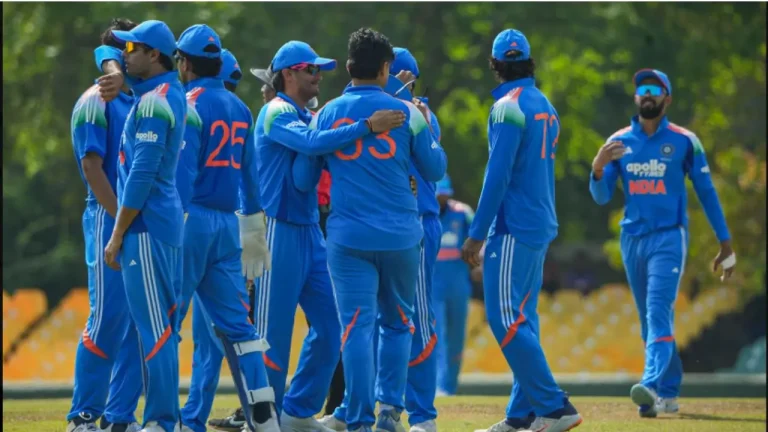
The moment of the day for India’s bowling attack came just before the tea interval when debutant spinner Manav Suthar made an immediate and memorable impact. Suthar, playing in his first Test match, successfully claimed his maiden Test wicket, a significant milestone in any cricketer’s career. His victim was Afghanistan’s opener Abdul Malik, who had shown some resilience, scoring 16 runs before being dismissed. This crucial wicket provided India with an early advantage, disrupting Afghanistan’s opening partnership and adding to the strategic pressure already exerted by India’s imposing first innings total.
At the scheduled tea break on Day 2, Afghanistan’s innings stood at a precarious 28 runs for the loss of one wicket. Abdul Malik’s departure left Sediqullah Atal, the other opening batsman, to continue the fight. Atal remained at the crease, batting on 11 runs, tasked with the responsibility of anchoring the innings and building partnerships in the sessions to follow. The early wicket meant Afghanistan’s top order faced the daunting task of not only scoring runs to reduce the deficit but also of demonstrating patience and resilience against a well-set Indian bowling unit.
The events of Day 2 have firmly placed India in a dominant position in this one-off Test. Their comprehensive batting performance, culminating in the strategic declaration, provided a solid foundation. The subsequent early breakthrough by a debutant bowler underscored India’s collective effort and strategic execution. For Afghanistan, the task ahead is clear: they must demonstrate considerable grit and skill to navigate through India’s bowling attack, aiming to post a competitive total and prevent India from enforcing a follow-on, which would further complicate their path in the match. The remainder of the match promises an intriguing battle as Afghanistan attempts to counter India’s stronghold.
## Why This Matters
This match holds significant implications for both teams. For India, establishing such a commanding lead on Day 2 of a Test match is a strong statement of intent, showcasing their depth in both batting and bowling departments. A large first-innings total combined with an early breakthrough puts immense pressure on the opposition, allowing India to control the game’s tempo and strategize for an outright victory.
For Afghanistan, as a developing Test nation, facing a powerhouse like India presents a crucial learning opportunity. How they respond to this early setback and the pressure of a substantial deficit will be a key indicator of their resilience and adaptability in the longest format of the game. Furthermore, the individual success of a debutant like Manav Suthar highlights the talent pipeline within Indian cricket, providing an exciting glimpse into the future of the team’s bowling options and adding another layer of interest for followers of the sport. The unfolding narrative of this Test is not just about the match result, but also about the strategic battles and individual performances that shape the long-term trajectories of both teams and their players.
## Frequently Asked Questions
What was India’s final score in their first innings before declaring?
India declared their first innings at a total of 564 runs for the loss of eight wickets.
How many wickets had Afghanistan lost by the tea break on Day 2?
Afghanistan had lost one wicket, concluding the pre-tea session at 28 runs for one wicket.
Which Indian player took a wicket on his Test debut during this match?
Debutante Manav Suthar took his maiden Test wicket, dismissing Afghanistan’s opener Abdul Malik.