## Key Takeaways
– India enforced a follow-on against Afghanistan after bowling them out for 152 runs in their first innings.
– Afghanistan concluded the morning session on Day 3 at 18 runs for no loss in their second innings, still trailing by 394 runs.
– The match is a one-off Test being played at the Maharaja Singh PCA Stadium in New Chandigarh.
## Main Developments
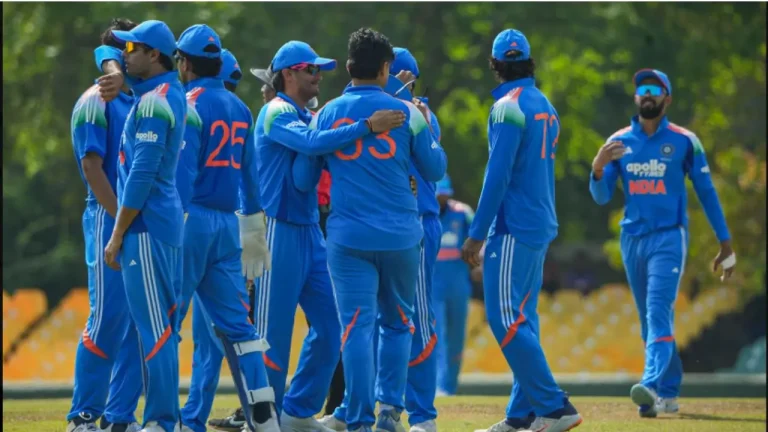
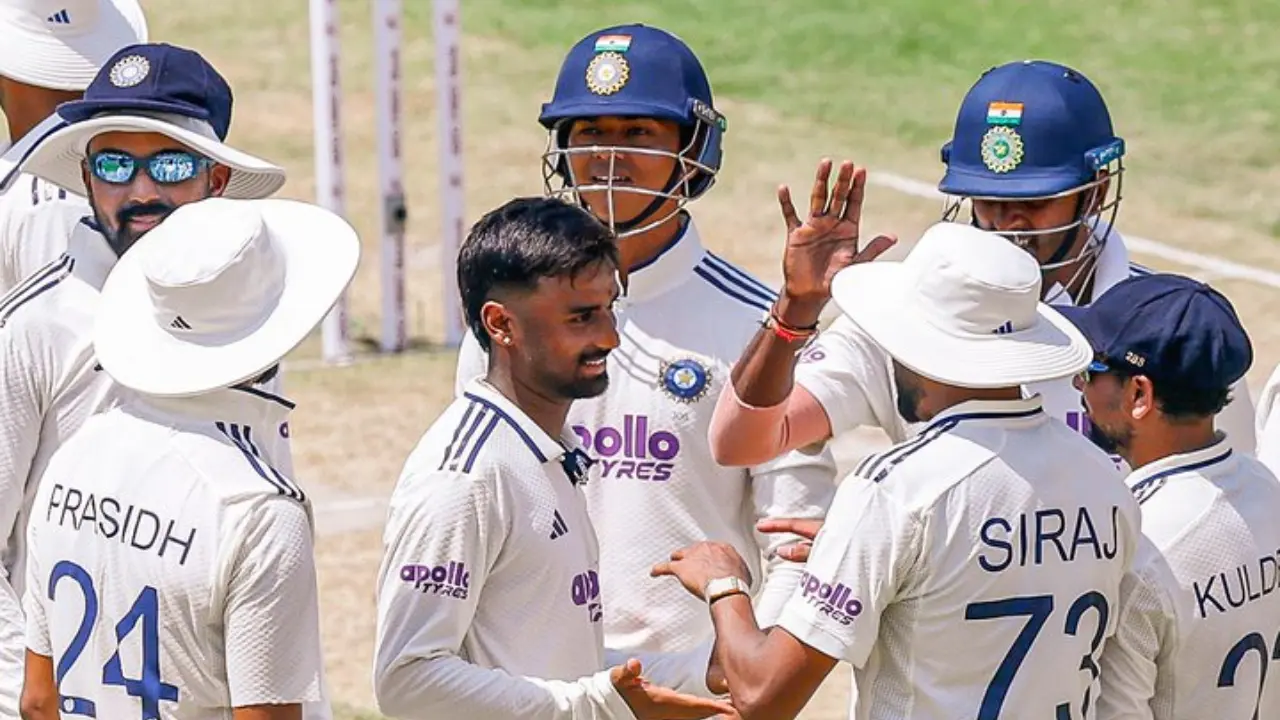
On the third day of their one-off Test match, Team India has established a commanding position against Afghanistan, enforcing the follow-on at the Maharaja Singh PCA Stadium in New Chandigarh. The hosts had earlier dismissed Afghanistan for a total of 152 runs in their first innings.
Following their first innings collapse, Afghanistan began their second innings, facing the challenging task of overcoming a substantial deficit. At lunch on Day 3, the visiting side had reached 18 runs without losing any wickets, having played four overs. Despite this cautious start, Afghanistan still trails India by 394 runs.
The decision to enforce the follow-on underscores India’s dominance in the match and their strategic intent to push for a swift and decisive victory. In Test cricket, a follow-on can be enforced when one team’s first innings lead exceeds a certain margin (typically 200 runs in a five-day match). This strategic move requires the trailing team to bat again immediately after being dismissed, often putting immense pressure on their batters.
Afghanistan’s first innings saw a significant contribution from Rahmat, who scored 60 runs before his dismissal. However, his efforts were not enough to prevent his team from being bowled out for a relatively low total of 152. India’s bowlers performed effectively to secure the early advantage.
The current state of play places Afghanistan in a precarious situation, needing to bat for an extended period to avoid an innings defeat and make India bat again. With 18 runs on the board and all ten wickets still in hand, the team’s opening batters face the daunting task of building a solid foundation and reducing the massive 394-run deficit.
The match, updated on June 8, 2026, at 11:38 AM IST from Mumbai, sees India firmly in control. The ongoing Day 3 is often considered a pivotal point in a five-day Test, as it typically determines whether a match will head towards a draw or a conclusive result. India’s decision to enforce the follow-on indicates their confidence in their bowling attack to secure the remaining wickets within the available time.
The Afghanistan squad, playing only their one-off Test against a top-ranked side like India, will need a monumental effort from their batting lineup throughout the remainder of Day 3 and into Day 4 to turn the tide. The early overs of their second innings have seen a cautious approach, focusing on survival rather than rapid scoring, a clear indicator of the pressure they are under.
As the match progresses, all eyes will be on Afghanistan’s ability to withstand India’s bowling onslaught and demonstrate resilience. India, on the other hand, will be looking to pick up wickets consistently to wrap up the match as quickly as possible, potentially aiming for an innings victory.
## Why This Matters
This match holds significant implications for both teams, particularly given its status as a one-off Test. For India, it presents an opportunity to register a comprehensive victory, reinforcing their position in international cricket. Enforcing the follow-on demonstrates a clear intent to dominate and secure an innings win, which is a powerful statement in Test cricket.
For Afghanistan, this Test against a formidable opponent like India is a crucial learning experience and a significant challenge. Overcoming such a large deficit after being asked to follow on is one of the toughest tests in the sport. How their batters respond under pressure will provide valuable insights into their development as a Test-playing nation. A strong fightback, even if it doesn’t lead to victory, could still be seen as a moral boost. Conversely, a swift defeat highlights the gap they need to bridge.
Day 3 of a Test match is often decisive, setting the stage for the final outcome. With India pushing hard for a win, the remaining sessions of this day will be critical in determining whether Afghanistan can mount a sustained resistance or if India will continue their march towards a dominant victory. The outcome will be closely watched by cricket enthusiasts and analysts, offering a glimpse into Afghanistan’s growth and India’s continued prowess in the longest format of the game.
## Frequently Asked Questions
###What does it mean to “enforce a follow-on” in Test cricket?
Enforcing a follow-on occurs when a team batting first achieves a significant lead over the opposing team’s first innings score (e.g., 200 runs in a five-day Test). The captain of the leading team can then choose to make the trailing team bat again immediately, rather than batting themselves. This is a strategic move to save time and push for an innings victory.
###What is the significance of Day 3 in a five-day Test match?
Day 3 is often considered a pivotal day in a five-day Test match. By this point, both teams have typically completed their first innings, and the match situation becomes clearer. Teams leading on Day 3 often look to press their advantage, while trailing teams fight to stay in the game. It’s a critical day for setting up a potential result on Days 4 or 5.
###What is Afghanistan’s primary challenge after being asked to follow on?
Afghanistan’s primary challenge is to bat for an extended period, score enough runs to not only erase the 394-run deficit but also set a challenging target for India in the fourth innings. This requires sustained concentration, strong partnerships, and resilience against India’s bowling attack to avoid being bowled out again quickly and suffering an innings defeat.