## Key Takeaways
– India established a dominant position in the one-off Test against Afghanistan, primarily driven by centuries from KL Rahul and Shubman Gill.
– Afghanistan consistently failed to utilize the Decision Review System (DRS) effectively, squandering critical opportunities to dismiss key Indian batsmen.
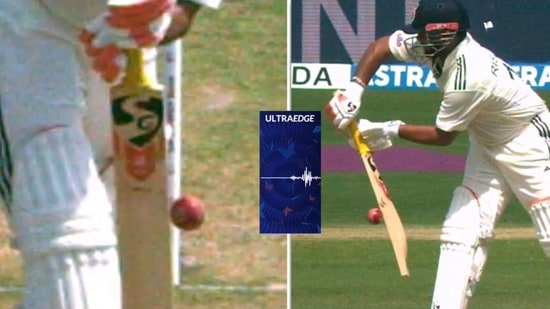
– Reprieves for both KL Rahul and Rishabh Pant, following erroneous DRS calls, allowed India to consolidate their innings and build a substantial lead.
## Main Developments
The one-off Test match between India and Afghanistan in New Chandigarh has seen India assert significant control, yet their strong performance has been considerably aided by Afghanistan’s recurrent misjudgments with the Decision Review System (DRS). By the second morning of the match, India had already posted a formidable score of 398 for 3, constructing their innings around major contributions from KL Rahul, Sai Sudharsan, Shubman Gill, and Rishabh Pant.
KL Rahul, who reached a century on the first day, benefited from an early reprieve that allowed him to anchor India’s initial batting effort. Shubman Gill continued his impressive form, resuming his innings unbeaten after also notching a century. Rishabh Pant, well-set overnight, was actively expanding India’s lead with his characteristic aggressive batting style. While India’s batsmen displayed skill and determination, Afghanistan’s strategic errors significantly eased their path.
A recurring theme throughout the match has been Afghanistan’s inability to make accurate DRS calls. This issue came into sharp focus on multiple occasions, directly influencing the trajectory of India’s innings. One significant instance involved Rishabh Pant, who received a crucial reprieve during his innings against the bowling of Azmatullah Omarzai. Such moments proved costly for the Afghan side, allowing dangerous batsmen to remain at the crease and further extend partnerships.
The impact of these DRS blunders was particularly pronounced given the state of the game. India’s commanding position at 398/3 on the second day presented a challenging scenario for Afghanistan. Despite the introduction of the second new ball, which typically offers bowlers more assistance and creates opportunities for breakthroughs, Afghanistan failed to capitalize effectively. Their missed reviews meant that even when bowlers like Omarzai managed to create wicket-taking opportunities, the lack of judicious use of technology prevented them from converting those chances into dismissals.
Analysts have noted a pattern of Afghanistan failing to learn from previous mistakes in their review strategy. The early reprieve granted to KL Rahul on Day 1, which he then converted into a century, served as a potent example of how costly such errors could be. Subsequent missteps with DRS, including the one that benefited Pant, underscored a persistent issue within the Afghan team’s tactical approach to critical on-field decisions.
These squandered opportunities allowed India’s strong batting lineup to build immense pressure. With established batsmen like Gill and Pant at the crease, India was poised to accumulate a substantial first-innings total, pushing Afghanistan further onto the back foot. The narrative emerging from New Chandigarh suggests that while India’s batsmen performed exceptionally, Afghanistan’s self-inflicted wounds, stemming from poor DRS calls, played a significant role in India’s strong run and their tightening grip on the one-off Test match. The crucial periods of play, especially after the arrival of the second new ball, demanded precision and strategic acumen, elements that Afghanistan struggled to consistently demonstrate with their review decisions.
## Why This Matters
The outcome of DRS calls often swings the momentum of a Test match, and Afghanistan’s repeated failures to utilize this technology effectively underscore its critical importance in modern cricket. For a developing cricketing nation like Afghanistan, learning to master such strategic elements is crucial for competing against top-tier teams. The reprieves granted to key Indian batsmen, directly resulting from Afghanistan’s review errors, did not just cost them individual wickets but also allowed India to build an imposing total, significantly reducing Afghanistan’s chances of making a comeback. This highlights how technical and strategic errors, beyond pure cricketing skill, can profoundly influence match results and determine a team’s competitiveness at the highest level.
## Frequently Asked Questions
##What was India’s score at the start of the second day’s play?
India was in a strong position, having reached 398 for 3 by the second morning of the one-off Test match.
##Which Indian batsmen made significant contributions on Day 1 and Day 2?
KL Rahul scored a century on Day 1, while Shubman Gill resumed his innings unbeaten after also reaching three figures. Rishabh Pant was well-set overnight and continued to play forcefully on Day 2.
##What specific issue plagued Afghanistan’s performance in the Test?
Afghanistan’s performance was significantly hampered by repeated blunders in their use of the Decision Review System (DRS), which led to key Indian batsmen receiving reprieves.