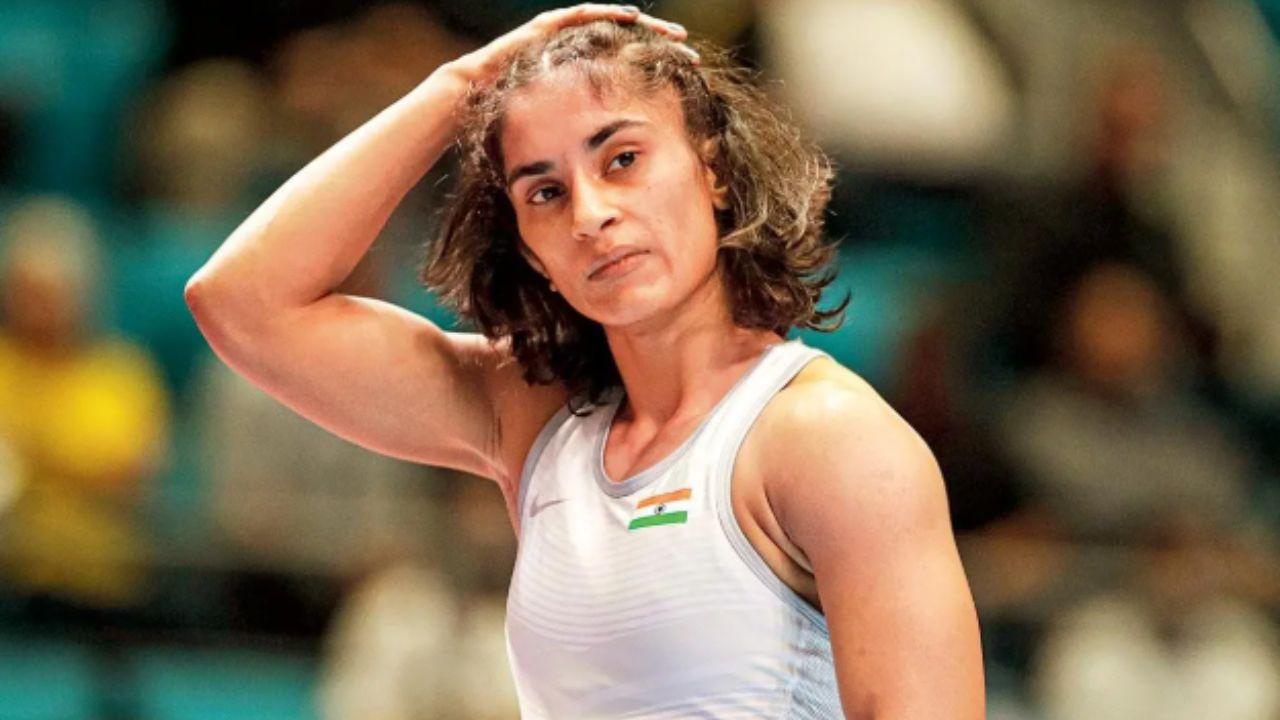
In a powerful intervention that has sent ripples through India’s sporting community, the Delhi High Court has sharply rebuked the Wrestling Federation of India (WFI) for its contentious decision to declare celebrated grappler Vinesh Phogat “ineligible” for domestic events. The court didn’t just express displeasure; it has directly challenged the WFI’s authority, demanding the Central Government step in and form an expert panel to assess Phogat’s fitness, ensuring her path back to the mat isn’t unfairly blocked.
### The Wrestling World Reacts
This isn’t just another legal squabble; it’s a high-stakes drama involving one of India’s most decorated athletes and the very body meant to foster her talent. Vinesh Phogat, a name synonymous with grit and gold, found herself sidelined by the WFI’s surprising move, which would have effectively barred her from crucial domestic tournaments. For an elite athlete like Phogat, who has brought immense glory to the nation, such a declaration carries heavy implications, potentially jeopardizing her chances at prestigious international events.
The High Court, in its scathing observation, noted that the WFI’s deviation from its long-standing policy of allowing elite athletes to compete “speaks volumes.” This isn’t merely a procedural point; it hints at a deeper concern about the federation’s judgment and its approach to managing its most valuable assets – its athletes. The judiciary’s intervention underscores a growing scrutiny of sports governance in India, particularly when individual careers and national aspirations hang in the balance.
### A Champion’s Return: More Than Just a Match
Vinesh Phogat’s story is one of resilience. She’s been planning a competitive comeback, a highly anticipated return to the mat following a maternity break. For any athlete, let alone one at the pinnacle of their sport, returning after such a significant life event requires immense dedication, physical rehabilitation, and unwavering support. To face an “ineligible” tag from her own federation at such a crucial juncture adds an unexpected and unnecessary hurdle.
Her planned return isn’t just about personal ambition; it’s about inspiring countless women, showcasing that motherhood doesn’t mean the end of a professional career, especially in demanding sports like wrestling. The WFI’s initial decision felt like a harsh blow to this narrative, raising questions about whether sports bodies are adequately equipped to support athletes through significant personal transitions.
### The Court Steps In: A Mandate for Fairness
The Delhi High Court’s directives are clear and decisive. Firstly, it has ordered the Central Government to establish an expert committee. This panel’s primary task will be to thoroughly evaluate Vinesh Phogat’s fitness, bypassing the WFI’s controversial declaration. This move effectively removes the discretionary power from the WFI in this specific instance, entrusting it to an independent body.
Secondly, and perhaps most critically, the court has directed the Centre to ensure that Phogat is allowed to participate in the upcoming selection trials for the Asian Games. The Asian Games are a cornerstone event in the international sporting calendar, a crucial stepping stone towards larger global competitions. Denying an athlete of Phogat’s caliber a fair chance to even compete for selection would be a significant loss, not just for her but for India’s medal hopes. The court’s order acts as a vital safeguard, protecting her opportunity to prove her readiness on the mat, where it truly matters.
### Beyond the Mat: Governance and Athlete Welfare
This ruling transcends the immediate specifics of Vinesh Phogat’s case. It serves as a stark reminder to all sports federations about the importance of transparency, fairness, and athlete welfare in their decision-making processes. The judiciary’s willingness to intervene when policies appear arbitrary or detrimental to elite athletes sets an important precedent. It reinforces the idea that sports bodies, while autonomous, are not beyond scrutiny, especially when their actions impact national representation and the careers of individuals who dedicate their lives to sport.
The WFI, like other national federations, operates under the significant responsibility of nurturing talent and representing the country on the global stage. Decisions that might be perceived as punitive or lacking clear justification can erode trust, both among athletes and the public. This High Court ruling is a strong message: athlete well-being and fair play must remain paramount.
### What Happens Next?
All eyes will now be on the Central Government as it moves to constitute the expert panel. The swiftness and fairness of this evaluation process will be critical. Meanwhile, Vinesh Phogat will undoubtedly be focusing on her training, undeterred by the administrative battle, knowing that the courts have paved the way for her to fight for her place. This saga underscores the continuous effort required to ensure that talent isn’t stifled by bureaucracy and that champions are given every fair chance to shine.
### Why This Matters
This isn’t just about one wrestler; it’s a pivotal moment for athlete rights and sports governance in India. The High Court’s intervention sends a strong message that federations must act with fairness and transparency. It highlights the challenges athletes, especially women returning after maternity, face and reinforces the importance of judicial oversight to protect careers and uphold sporting integrity. This decision could pave the way for more athlete-centric policies across all sports.