## Key Takeaways
– Sunil Gavaskar has strongly defended the IPL, criticizing those he says engage in “whining and moaning” and exhibit “double standards.”
– Gavaskar asserts that many IPL critics financially benefit from the economic strength generated by India’s massive cricket following.
– The debate intensified over players like Jofra Archer prioritizing IPL commitments over national team Test matches.
## Main Developments
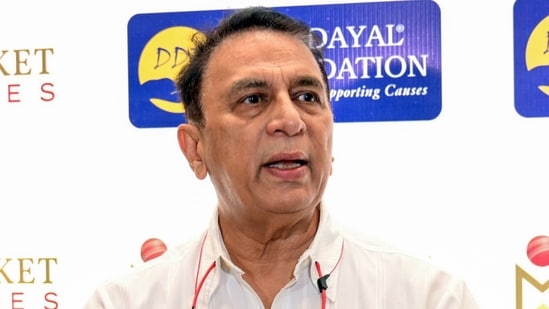
Cricket icon Sunil Gavaskar has voiced a strong defense of the Indian Premier League (IPL), directly addressing former players and commentators who have questioned the tournament’s growing influence. His comments come in the wake of continued discussion surrounding the IPL, particularly during and after the 2026 season, which saw renewed scrutiny, especially from quarters within English cricket. Gavaskar’s remarks suggest a perceived hypocrisy among those who criticize the league while simultaneously benefiting from the financial power of Indian cricket.
The core of Gavaskar’s argument hinges on what he terms “double standards.” He contends that despite vocal criticism directed at the Board of Control for Cricket in India (BCCI) and the IPL, many of these same detractors continue to draw financial advantages from the robust economic ecosystem that Indian cricket sustains. He explicitly stated that “Indian cricket fills their coffers,” implying a direct link between the financial health of the sport in India and the earnings of its international participants and observers.
Much of the recent debate, which Gavaskar’s comments directly address, has centered on the increasing preference shown by players for lucrative franchise tournaments over traditional international cricket, particularly Test matches. This sentiment was notably strong in England, where concerns were raised about the impact on the national team’s readiness and player commitment.
A prominent example that fueled these discussions involved English fast bowler Jofra Archer. He became a focal point of the debate after choosing to remain with the Rajasthan Royals for the IPL playoffs. This decision meant he missed England’s first Test match against New Zealand, sparking widespread debate about player priorities and the balance between club and country obligations. Critics argued that such choices undermined the significance of traditional cricket formats and national team duties.
Another instance that attracted attention earlier in the season involved Jacob Bethell. He faced scrutiny for a perceived lack of game time in the IPL. Former England captain Alastair Cook weighed in on Bethell’s situation, suggesting that the young player might have gained more valuable experience by returning to county cricket. Cook’s advice underscored the view that for developing players, particularly those focusing on the red-ball format, the IPL might not always offer the most beneficial pathway for career progression if playing opportunities are limited.
Gavaskar’s staunch rebuttal highlights a persistent tension within the global cricketing landscape. On one side are the traditionalists and those who prioritize international commitments and Test cricket’s enduring legacy. On the other side is the undeniable commercial pull and player development opportunities offered by premier T20 leagues like the IPL. The financial model underpinning these leagues, heavily influenced by the vast Indian cricket market, is a significant factor in player decisions and the broader economics of the sport.
The legendary batsman’s observations serve as a challenge to the narrative often presented by critics. By pointing out the financial reliance on Indian cricket, Gavaskar suggests that some criticisms may lack impartiality, coming from individuals who, directly or indirectly, benefit from the very system they are lambasting. This perspective introduces a complex layer to the ongoing discussion about the future direction of cricket, player allegiances, and the financial sustainability of various cricketing entities worldwide. His remarks compel a deeper examination of the motivations behind criticisms of the IPL and the broader implications of Indian cricket’s significant global footprint.
## Why This Matters
This issue highlights the increasing financial power of the Indian Premier League and, by extension, Indian cricket, in the global sporting arena. Sunil Gavaskar’s comments underscore the significant economic contributions that India makes to the international game, suggesting that many entities and individuals financially depend on this ecosystem. His critique of “double standards” reveals a growing tension between the commercial interests of franchise leagues and the traditional values of international cricket, impacting player availability, career choices, and the long-term health of various formats of the game. Readers should care because this debate shapes the future of professional cricket, influencing how players earn a living, where their loyalties lie, and ultimately, the quality and structure of both domestic and international competitions.
## Frequently Asked Questions
###Who is Sunil Gavaskar?
Sunil Gavaskar is a legendary former Indian cricketer, widely regarded as one of the greatest opening batsmen in Test cricket history. He was part of the Indian team from 1971 to 1987.
###What specific criticisms was Gavaskar responding to regarding the IPL?
Gavaskar was responding to former cricketers, particularly from England, who questioned the increasing preference for franchise cricket over traditional formats and criticized players like Jofra Archer for prioritizing IPL commitments over national Test matches.
###Why does Gavaskar believe critics show “double standards”?
Gavaskar believes critics show “double standards” because, while they publicly criticize the IPL and its impact, they or their associated organizations often benefit financially from the strong economic ecosystem of Indian cricket, which the IPL helps to bolster.