
## Key Takeaways
– India’s head coach Gautam Gambhir has publicly endorsed Sai Sudharsan for the crucial number three position in Test cricket.
– Gambhir expressed his belief that Sudharsan has not yet received a sufficient opportunity to demonstrate his capabilities at this level.
– This backing positions Sudharsan ahead of Devdutt Padikkal for the upcoming one-off Test match against Afghanistan, which falls outside the World Test Championship cycle.
## Main Developments
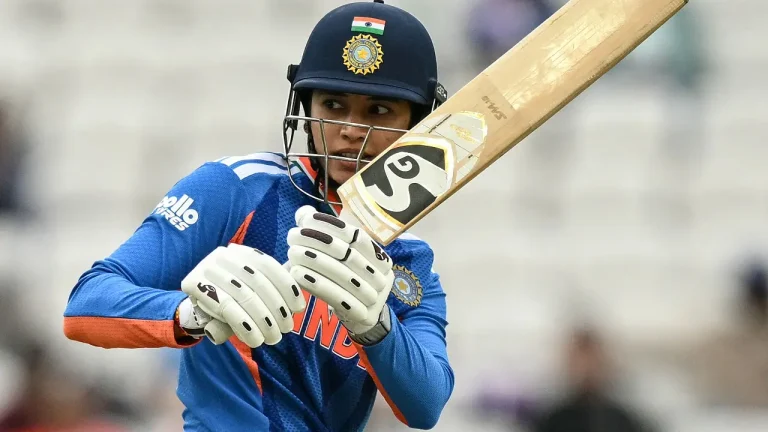
Indian cricket is set to witness a significant strategic move as head coach Gautam Gambhir has thrown his weight behind young left-handed batter Sai Sudharsan for the vital number three spot in the Test format. The announcement, made on Friday, signals a clear intent from the team management to provide a sustained run to emerging talent, particularly ahead of the unique one-off Test encounter against Afghanistan scheduled to commence this Saturday.
Gambhir, a former opener known for his aggressive yet resolute approach, articulated his conviction that Sudharsan has not been afforded an adequate chance to establish himself in the demanding environment of Test cricket. This declaration underscores a philosophy focused on nurturing potential and providing consistent opportunities to players deemed deserving. The head coach explicitly stated that Sudharsan would be prioritized for the challenging number three role, indicating a preference over fellow left-hander Devdutt Padikkal. This decision highlights the competitive landscape within the Indian squad and the ongoing quest to solidify key batting positions with players who can adapt and perform consistently at the highest level.
The number three batting position in Test cricket is widely regarded as one of the most critical and demanding roles. It requires a unique blend of temperament, technique, and resilience. A batter at this position often walks in after the openers have navigated the new ball, or sometimes, has to face it himself if an early wicket falls. Their primary responsibility is to consolidate the innings, build partnerships, and provide stability, acting as a crucial link between the top order and the middle order. They need to possess the ability to absorb pressure, wear down the opposition bowlers, and lay the foundation for substantial scores. This slot is not merely about scoring runs quickly but about occupying the crease, demonstrating patience, and setting the pace for the rest of the batting lineup. Historically, many cricketing legends have excelled in this position, cementing its status as a cornerstone of any successful Test team. Gambhir’s decision to back Sudharsan for such a pivotal role speaks volumes about the faith he has in the young player’s potential to master these intricate demands.
The coach’s assertion that Sudharsan has “not got a fair run” at the number three slot resonates with the experiences of many young cricketers striving to break into and secure a place in international teams. Often, promising talents receive sporadic chances, making it difficult to find rhythm, build confidence, and truly showcase their capabilities under the immense pressure of international competition. A brief stint, followed by an omission, can hinder a player’s development and their ability to adapt to the nuances of the format. Gambhir’s statement suggests a commitment to moving beyond such short-term assessments, instead aiming to provide a longer, more consistent platform for Sudharsan to prove his mettle. This approach aligns with a broader strategy of investing in the long-term future of Indian Test cricket, ensuring that talented individuals are given the necessary time and support to flourish.
The upcoming one-off Test against Afghanistan serves as an opportune moment for this strategic deployment. Importantly, this fixture falls outside the parameters of the ongoing World Test Championship (WTC) cycle. Matches outside the WTC framework offer coaching staff and selectors a unique window to experiment with team combinations, test out younger players in various roles, and assess their readiness for top-tier international cricket without the immediate pressure of accumulating championship points. Such games become invaluable proving grounds, allowing players to gain crucial experience against international opposition, identify areas for improvement, and demonstrate their ability to perform under match conditions. For Sudharsan, this match presents a significant chance to validate the coach’s confidence and stake a strong claim for a regular spot in the Indian Test squad moving forward. The absence of WTC points at stake reduces the immediate competitive pressure, potentially allowing both the player and the team management to approach the match with a focus on long-term development and strategic assessment.
The decision to back Sai Sudharsan over Devdutt Padikkal for this position further highlights the intense competition for places within the Indian batting lineup. Both are left-handed batters who have shown promise in domestic circuits and other formats. The coach’s specific preference for Sudharsan, as indicated, suggests that the team management has a clear vision for the specific attributes and style of play they believe will best serve the team at number three in Test cricket. This kind of direct comparison and selection offers clarity to the players involved and signals the criteria being used for selection in specific roles. It also means that for Padikkal, the path to the Test team remains challenging, requiring him to continue performing and adapting to catch the selectors’ eye in future opportunities.
Ultimately, Gautam Gambhir’s strong endorsement of Sai Sudharsan is more than just a selection decision; it reflects a broader coaching philosophy. It speaks to the importance of backing young talent, providing them with sustained opportunities, and creating an environment where they can develop without the constant fear of immediate removal. For Indian cricket, this move could signify a strategic shift towards building a robust pipeline of Test players, ensuring that the team remains competitive and successful for years to come. The Afghanistan Test will therefore not just be another international fixture, but a critical assessment point for Sai Sudharsan and a reflection of the team’s evolving strategic direction under its new head coach.
## Why This Matters
This development is significant for several reasons, impacting both the immediate future of the Indian Test team and the careers of young cricketers. Readers should care because it offers a glimpse into the strategic thinking of the national coaching staff, particularly head coach Gautam Gambhir, regarding player development and team composition. The decision to explicitly back a young player like Sai Sudharsan for a crucial role, and stating he hasn’t had a “fair run,” signals a commitment to providing consistent opportunities rather than short-term trials.
For aspiring cricketers, this offers a clear message: talent will be recognized and given adequate chances to prove itself at the highest level. For fans, it’s an exciting prospect to see new talent being nurtured and potentially emerging as future stars in the challenging Test format. Furthermore, the context of the Afghanistan Test being outside the World Test Championship highlights the strategic utility of such fixtures for experimentation and building squad depth, ensuring India’s cricketing bench strength remains formidable. It underscores the importance of having a clear vision for player roles and the dedication to fostering long-term talent.
## Frequently Asked Questions
Who is Sai Sudharsan and what role has he been backed for?
Sai Sudharsan is a young left-handed batter who has been publicly backed by India’s head coach Gautam Gambhir for the crucial number three batting position in Test cricket.
Why is the upcoming Afghanistan Test significant for player selection?
The upcoming Test against Afghanistan is a one-off match that falls outside the World Test Championship cycle. This unique status allows the coaching staff an opportunity to experiment with team combinations and test younger players, such as Sai Sudharsan, without the pressure of WTC points.
What does Gautam Gambhir mean by Sai Sudharsan not having “a fair run”?
Head coach Gautam Gambhir stated that Sai Sudharsan has not received an extended, proper opportunity to showcase his talent or establish himself consistently in the Test team, implying a need for more consistent chances to prove his worth.