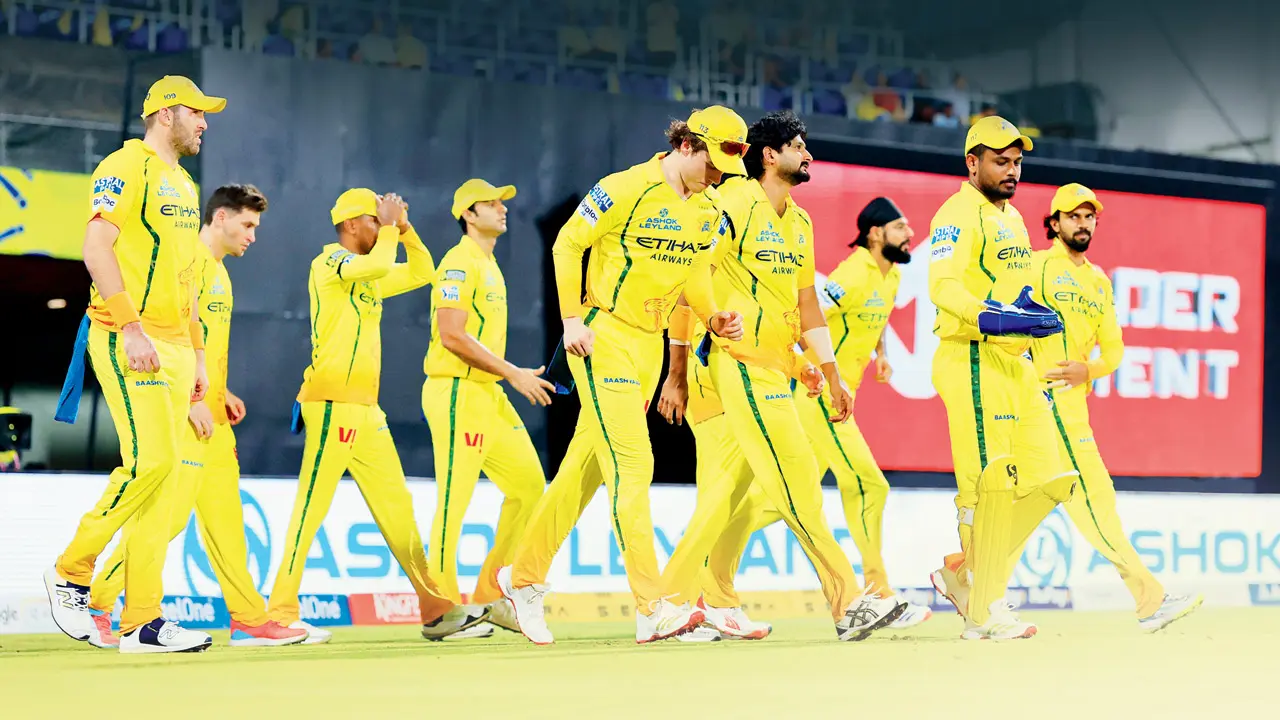
It’s a scene Chennai Super Kings fans rarely witness: their beloved Yellow Army heading for an early exit. After a crushing 89-run defeat to Gujarat Titans, the five-time champions are out of IPL 2026, leaving a trail of disbelief and introspection. What happened to the team that boasts an incredible legacy, a vibrant fan base, and a reputation for pulling off the impossible?
This season, CSK looked a pale shadow of their brilliant, attacking identity. The usual Midas touch seemed to have deserted them. As the dust settles in Mumbai, we’re digging into the core reasons why the reigning champions stumbled out of the tournament, leaving fans wondering what could have been.
### The Captain’s Curveball: Gaikwad’s Wobbly Start
Every team looks to its leader for inspiration, especially when it comes to setting the pace at the top of the order. This year, skipper Ruturaj Gaikwad, stepping into big shoes, struggled to consistently deliver. It wasn’t just about the numbers, though they certainly tell a story. With just 337 runs across 14 games and a strike-rate hovering around 123.44, Gaikwad’s form became a significant talking point.
In modern T20 cricket, particularly in a league as explosive as the IPL, an opener’s role is critical. They are the engine that sets the momentum, capitalising on the powerplay restrictions and giving the middle order a platform to launch. Unfortunately for CSK, Gaikwad often found it tough to find that elusive rhythm. Nine times this season, the Super Kings failed to cross the 70-run mark in the Powerplay. This isn’t just a stat; it’s a strategic disadvantage that puts immense pressure on subsequent batters to play catch-up, often leading to rushed decisions and wickets.
His batting slump wasn’t isolated; it seeped into his captaincy. While leadership is about more than just personal performance, a skipper leading from the front with the bat often instils an extra layer of confidence in the squad. When that doesn’t happen, the domino effect can be palpable, affecting decision-making and overall team morale.
### The 200-Run Conundrum: Batting Beneath the Par
If there’s one defining characteristic of IPL 2026, it’s the sheer audacity of the batting. Teams are consistently breaching the 200-run mark, setting and chasing colossal totals with an almost cavalier attitude. A staggering 32 scores of 200-plus have been posted in just 66 games, with 16 of those successfully chased down. This isn’t just a high-scoring season; it’s a new benchmark.
Against this backdrop of batting pyrotechnics, CSK’s inability to keep pace was glaring. While other teams routinely soared past 200, the Super Kings managed it only thrice in eight innings when batting first. This wasn’t a tactical choice; it was a symptom of an attack that just couldn’t fire on all cylinders.
Take their opening game against Rajasthan Royals, where they were bundled out for a paltry 127. Or the decisive clash against Gujarat Titans, where they could only muster 158-7. These scores, which might have been competitive a few seasons ago, were simply not enough in the high-octane environment of IPL 2026.
These below-par totals placed an almost impossible burden on their bowlers. With little to defend, the margin for error became non-existent. Every boundary conceded, every missed line, felt magnified. This pressure inevitably led to breakdowns, contributing directly to five crucial defeats that ultimately sealed their fate. In an era where 200 is the new par, CSK too often batted like 180 was still a formidable target, and that miscalculation proved costly.
### What Next for the Yellow Army?
The early exit for the Chennai Super Kings is more than just a defeat; it’s a seismic event in the IPL landscape. For a franchise synonymous with consistency and late-stage heroics, this campaign will undoubtedly lead to deep introspection. From batting strategy to individual performances, every aspect will be scrutinised. While the sting of defeat is fresh, the spirit of the Yellow Army is resilient. Fans will be eagerly anticipating how this storied franchise rebuilds and returns stronger in the next edition.
### Why This Matters
CSK’s early exit isn’t just about one team’s performance; it highlights the incredibly competitive nature of the IPL and the evolving demands of T20 cricket. It underscores that even the most decorated teams need to adapt quickly to changing trends – particularly the relentless pursuit of high scores – to stay relevant at the top. For other franchises, it’s a stark reminder that past glories offer no guarantees in this cutthroat league.