The cricketing world is buzzing, but not just about the sensational batting prowess of Rajasthan Royals’ prodigy Vaibhav Sooryavanshi. While the 15-year-old has set the IPL 2026 ablaze with his bat, a sharp critique from former India stars Mohammad Kaif and Sanjay Manjrekar has sparked a fierce debate, prompting Rajasthan Royals’ Director of High Performance, Zubin Bharucha, to step up and defend his young charge.
The Sooryavanshi Phenomenon
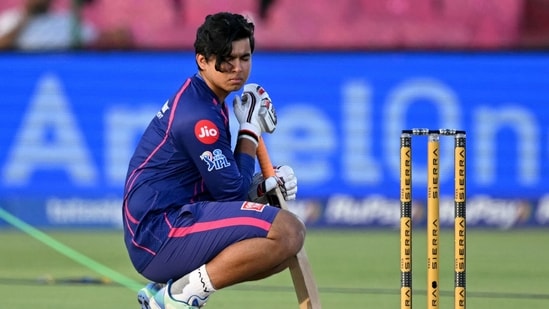
Vaibhav Sooryavanshi has undeniably been the breakout star of IPL 2026. His season statistics are nothing short of phenomenal: leading the charts for most runs, most sixes, and boasting the highest strike rate in the league. This incredible display has naturally ignited conversations across every cricketing platform, with the chatter quickly shifting from *if* to *when* this precocious talent would don the senior Indian jersey. His age, a mere 15, only adds to the mystique and the sheer volume of his fan following. Photos of him offering prayers by the pitch before matches have gone viral, underscoring the almost mythical status he’s rapidly acquiring.
The Elephant in the Outfield?
Despite the overwhelming adoration and undeniable batting genius, two respected voices in Indian cricket, Mohammad Kaif and Sanjay Manjrekar, have introduced a note of caution. Their concern isn’t about Sooryavanshi’s ability to clear the ropes or dispatch a spinner, but rather what they perceive as a “glaring error” in his overall game: his fielding.
Mohammad Kaif, a former India international renowned for setting new benchmarks in fielding during his playing days, reportedly expressed his reservations on a popular sports channel. While the specific details of his critique weren’t fully broadcast, sources close to the discussion suggest Kaif underscored the modern demands of international cricket. “For a player to be truly impactful at the highest level,” a source quoted Kaif as saying, “especially in the shorter formats, a robust fielding game isn’t a luxury; it’s a non-negotiable requirement. While Sooryavanshi’s bat speaks volumes, one must consider the complete package.” The implication was clear: potential fielding weaknesses could hinder his progression, regardless of his batting heroics.
The Impact Player Conundrum
Sanjay Manjrekar, another shrewd observer of the game, amplified these concerns during his appearance on Sporstar. Manjrekar honed in on the Rajasthan Royals’ team strategy, specifically their frequent deployment of Sooryavanshi as an Impact Player in recent matches.
The Impact Player rule, introduced to inject more tactical depth into the IPL, allows teams to substitute a player mid-game. Often, this is used to bring in a specialist batsman when chasing or a bowler when defending. Manjrekar’s point was incisive: “If a player is consistently coming in as an Impact Player, especially to bat, it often means they are not getting the full complement of fielding overs in the match. How then, do we truly assess their fielding capabilities?” he questioned. “For a talent as immense as Vaibhav, who is being touted for national duty, selectors need to see him perform across all three facets of the game consistently. Are we inadvertently shielding a potential area of improvement by always bringing him in as an Impact Player?” This line of questioning threw a spotlight on whether the tactical benefit for the team was inadvertently creating an incomplete picture of Sooryavanshi for national selectors.
Bharucha’s Firm Response
The critiques from such esteemed figures did not go unnoticed by the Rajasthan Royals camp. Zubin Bharucha, the team’s Director of High Performance, wasted no time in hitting back, defending both his young star and the team’s strategic choices.
Speaking to the press, Bharucha acknowledged the immense talent of Kaif and Manjrekar but suggested their focus might be too narrow. “Firstly, Vaibhav Sooryavanshi is an extraordinary talent, a once-in-a-generation player we are nurturing with great care,” Bharucha asserted. “His performances this season speak for themselves. To focus solely on one aspect and overshadow his unparalleled contribution with the bat seems a little premature and, frankly, unfair to a 15-year-old.”
Addressing the Impact Player strategy directly, Bharucha explained, “Our use of Vaibhav as an Impact Player is a tactical decision, designed to maximize his strengths and the team’s chances of winning. It allows him to focus on what he does best – batting – in high-pressure situations. It is not, and I repeat, not a means to hide any perceived weaknesses. Every player, especially at his age, has areas for development, and Vaibhav is no different. His fielding is continually being worked on with our coaching staff, and we are seeing significant improvements every day.”
Bharucha further elaborated, emphasizing the long-term vision. “We understand the demands of international cricket. Vaibhav is on a comprehensive development pathway that includes rigorous fielding drills, fitness regimes, and strategic positioning training. He is 15! We cannot expect a finished product. Legends like Kaif himself improved their game over years. We are confident that by the time Vaibhav is truly ready for the India call-up, he will be a complete package in every sense of the word.”
The Road Ahead
This spirited debate highlights the perennial challenge in cricket: how to balance prodigious talent with the need for all-round excellence. For Vaibhav Sooryavanshi, the spotlight only grows brighter. While his bat continues to dominate headlines, the conversations around his fielding and the strategic choices made by his team will undoubtedly remain a significant subplot as selectors ponder his future. The cricketing world watches on, eager to see if this phenom can indeed become the complete player everyone hopes he will be.
Why This Matters
This discussion isn’t just about one player; it’s a microcosm of modern cricket’s evolving demands. It raises crucial questions about player development, the role of strategic rules like the ‘Impact Player,’ and what constitutes a truly ‘India-ready’ cricketer. It highlights the tension between celebrating immediate brilliance and fostering holistic growth, ensuring that future stars are not just masters of one craft but complete athletes ready for the international stage.