## Key Takeaways
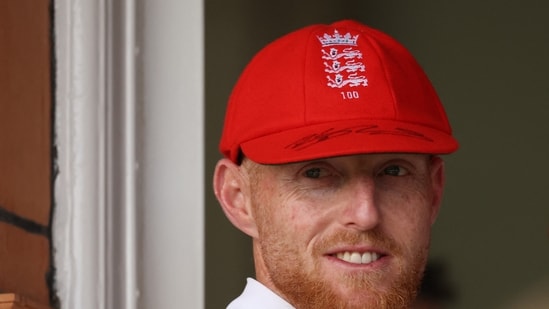
– England cricket captain Ben Stokes nearly retired after a nightclub controversy, which served as a tipping point following prolonged frustrations.
– The incident occurred shortly after England’s Test victory over New Zealand at Lord’s, casting a shadow over the achievement.
– A critical 72-hour period saw a dramatic shift, ultimately alleviating fears of his immediate departure from the sport.
## Main Developments
Ben Stokes, England’s prominent all-rounder and Test captain, faced a severe personal crisis that brought him to the brink of retiring from professional cricket. This profound moment of doubt emerged following a high-profile nightclub incident, an event that, while significant in itself, was ultimately described as the culmination of deeper, long-standing pressures.
The controversy unfolded in the aftermath of England’s first-Test triumph over New Zealand at Lord’s. Far from being a celebratory period, the victory was instead overshadowed by the public attention surrounding Stokes’ involvement. Reports indicated that the cricketer was “deeply upset and apologetic” regarding the incident, reflecting the immediate personal toll it took on him.
However, the narrative quickly broadened beyond the immediate scandal. According to a report by The Telegraph, the nightclub event was not an isolated cause but rather a “tipping point” for Stokes. For months leading up to this episode, he had reportedly been grappling with a build-up of frustrations. This suggests that the pressures inherent in elite professional cricket, particularly for a player of his stature and leadership role, had been accumulating, pushing him towards a critical juncture.
The underlying frustrations, coupled with the immediate fallout from the controversy, created such an intense situation that the England and Wales Cricket Board (ECB) reportedly harbored genuine fears. The prospect of losing Stokes was not merely about a talented player; the board was concerned about the potential loss of its Test captain and, critically, “one of the defining cricketers of his generation.” This highlights the immense value and impact Stokes holds within the sport, both as a leader and a performer. His potential departure would have represented a substantial blow to English cricket, necessitating a significant restructuring and potentially impacting team morale and public perception.
Amidst these serious concerns, the situation experienced a “dramatic 72-hour turnaround.” This pivotal period proved instrumental in alleviating the immediate fears of his retirement. While specific details of what transpired during these crucial hours are not detailed, the outcome indicated a swift resolution that prevented Stokes from stepping away from the game. This rapid de-escalation suggests intense engagement and support from relevant parties, ultimately convincing him to remain involved.
The entire episode underscores the intense scrutiny and psychological demands placed upon professional athletes, particularly those in leadership positions within high-profile sports. It reveals how public controversies can intersect with pre-existing personal and professional stresses, leading even the most resilient individuals to contemplate significant career decisions. The quick resolution, though unelaborated, points to the critical importance of timely intervention and support systems for athletes navigating such challenging periods.
The events of this period, culminating in Stokes’ decision to continue playing, serve as a reminder of the delicate balance between athletic performance, public persona, and personal well-being. His journey from near-retirement to remaining an integral part of England’s cricketing future encapsulates a moment of significant uncertainty and subsequent reaffirmation.
## Why This Matters
This development is significant because it illuminates the profound pressures faced by top-tier athletes, especially those in leadership roles like Ben Stokes. His near-retirement underscores that even the most celebrated figures can reach a breaking point due to a combination of public scrutiny and ongoing professional frustrations. For English cricket, losing its Test captain and a generational talent would have been a monumental blow, impacting team performance, leadership stability, and the sport’s overall appeal. The rapid resolution, while preventing an immediate crisis, also highlights the ongoing need for robust support mechanisms for players navigating intense personal and professional challenges. This episode serves as a powerful reminder of the human element behind sporting heroes and the critical importance of their mental and emotional well-being.
## Frequently Asked Questions
###What prompted Ben Stokes to consider retirement?
Ben Stokes considered retirement after a nightclub controversy, which was identified as a “tipping point” following a period of “months of frustrations” he had been experiencing.
###How did the nightclub incident impact England’s cricket team?
The nightclub incident “overshadowed England’s first-Test victory over New Zealand at Lord’s,” creating a public relations challenge and raising fears within the ECB of losing their Test captain and a generational player.
###How was the immediate retirement threat resolved?
Fears of Ben Stokes’ retirement were eased by a “dramatic 72-hour turnaround,” suggesting a swift and effective resolution to the crisis, though specific details of this turnaround are not publicly detailed.