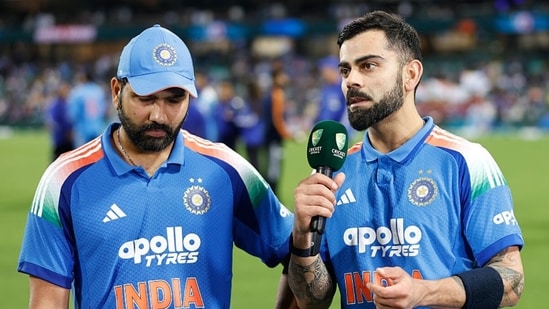
As the countdown to the 2027 Cricket World Cup slowly but surely begins, the Board of Control for Cricket in India (BCCI) is reportedly shifting gears with its strategy for squad selection. In a move that signals a significant departure from past practices, two of Indian cricket’s biggest titans – Rohit Sharma and Virat Kohli – will no longer be viewed as a combined unit. Instead, they are set to be judged on individual merits, with one crucial factor specifically dictating the assessment for former captain Rohit Sharma.
The End of ‘Ro-Ko’ as We Know It?
For years, the names Rohit Sharma and Virat Kohli have been inextricably linked in the annals of Indian cricket, often affectionately dubbed ‘Ro-Ko’ by fans and pundits alike. Their collective might with the bat has driven countless victories, and their partnership has been a cornerstone of India’s limited-overs success. However, a recent report from The Times of India indicates a strategic pivot by the BCCI, suggesting that the era of clubbing them together for selection decisions is over. This isn’t just a semantic change; it points to a more granular, individual-focused approach to building the squad for the next global showpiece. The 2027 World Cup, to be held across South Africa, Zimbabwe, and Namibia, demands a robust, resilient squad, and the Indian board appears ready to make tough calls early.
Rohit Sharma: The Fitness Litmus Test
The primary driver behind this individualized assessment, at least for Rohit Sharma, appears to be a growing concern over his fitness. The esteemed opener, known for his elegant strokeplay and leadership, reportedly suffered a hamstring injury earlier this season. This setback forced him to miss four crucial matches for the Mumbai Indians, raising red flags within the BCCI corridors.
While Rohit did make a promising return to action, marking his comeback with a sparkling half-century, his subsequent usage as primarily an ‘Impact Sub’ in various matches has reportedly deepened the board’s worries. The ‘Impact Sub’ rule, while innovative, often allows players to participate without the full physical demands of fielding for an entire innings or batting for extended periods if they’re not fully match-fit. For a player of Rohit’s stature and importance, being consistently used in this capacity suggests a deeper, underlying fitness issue rather than just a temporary niggle.
Decision-makers within the BCCI are reportedly apprehensive about Rohit’s ability to remain injury-free and maintain the rigorous fitness standards required for the grueling schedule leading up to and during a World Cup. The demands of modern international cricket, with its relentless calendar and high-intensity format, necessitate players who can not only perform but also stay physically primed for an extended period. The upcoming three-match ODI series against Afghanistan, slated to begin on June 14, will be a critical juncture for Rohit. His participation in this series, despite his selection, remains “subject to fitness” – a clear indicator of the board’s vigilance.
Virat Kohli: A Different Trajectory
While the report doesn’t detail a specific “key factor” for Virat Kohli’s individual assessment, the implication is clear: his journey to the 2027 World Cup will be viewed through a different lens. Kohli, renowned for his exceptional fitness levels and unwavering dedication, has largely maintained a remarkable physical standard throughout his illustrious career. For him, the focus might be less on acute injury risk and more on sustained form, adaptability to evolving game plans, and his continued unparalleled impact with the bat.
At this stage of their careers, both players, while still formidable, are not getting any younger. For Kohli, the challenge will be to ensure he remains at the peak of his batting prowess and can continue to dominate opposition attacks consistently. The BCCI will likely be evaluating how he fits into the broader team strategy, balancing his immense experience and match-winning ability with the need to integrate fresh talent and build a resilient squad for the future.
Beyond the Legends: Building a 2027 Squad
This reported shift in the BCCI’s approach extends beyond just these two cricketing behemoths. It underscores a strategic commitment to forming a 2027 World Cup squad that is not only talented but also robust, agile, and future-proof. The heartbreaking loss in the final of the 2023 World Cup on home soil still stings, and the board seems determined to leave no stone unturned in its quest for global glory.
The process of building a championship-winning team is complex, involving the delicate balance of experience and youth, established form and promising potential. The decisions made regarding veterans like Rohit and Kohli will have a ripple effect across the entire squad, influencing selection choices for younger players and the overall tactical composition of the team. Every series, every fitness camp, and every individual performance from now until the mega-event will be scrutinized with an eye on the bigger prize.
The Road Ahead: High Stakes and Tough Calls
The path to the 2027 World Cup is long and demanding. For Rohit Sharma, proving his sustained fitness will be paramount, a continuous challenge that could define his final chapter in international white-ball cricket. For Virat Kohli, maintaining his unparalleled standards and adapting to the team’s evolving needs will be key.
The BCCI’s decision to judge these legends separately is a bold one, signaling a pragmatic and performance-driven approach. It reflects a willingness to make difficult choices for the greater good of Indian cricket, even if it means moving away from entrenched partnerships or sentimental attachments. The stakes are incredibly high, and the cricketing world will be watching closely as India navigates this crucial period of team building.
Why This Matters
This significant report highlights a critical juncture for Indian cricket. The BCCI’s decision to individually assess Rohit Sharma and Virat Kohli, particularly with a focus on Rohit’s fitness, signals a professional and rigorous approach to 2027 World Cup squad selection. It underscores the board’s commitment to prioritizing player longevity, sustained performance, and overall team resilience over past partnerships. For fans, it means potentially seeing a new era of Indian cricket unfold, where tough decisions are made to achieve the ultimate goal: bringing home the World Cup trophy.