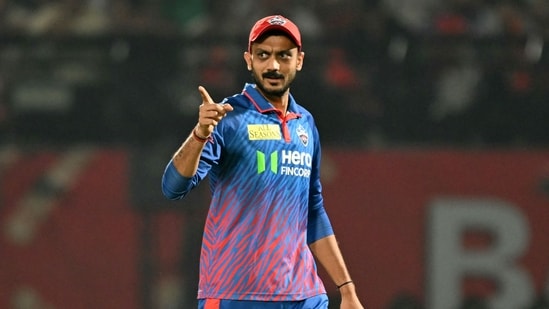
The Delhi Capitals find themselves in a familiar, precarious position in the Indian Premier League, with their playoff aspirations dangling by the thinnest of threads. As the tournament hurtles towards its crucial final stages, a vital win over Punjab Kings offered a flicker of hope. Yet, despite the recent victory, Axar Patel’s side remains mired in a difficult spot, their destiny largely out of their hands with just two league matches left to play. Even if DC clinches both remaining fixtures, qualification hinges precariously on a string of other results falling perfectly into place – a scenario far from guaranteed.
A Season Riddled With Inconsistency
This IPL campaign has been a tough pill to swallow for Delhi Capitals fans, marked predominantly by a frustrating lack of consistency. The team, boasting a lineup of formidable talent, has repeatedly struggled to coalesce into a cohesive unit, particularly when the stakes are highest. Throughout the season, moments of brilliance have often been overshadowed by inexplicable collapses and an inability to convert promising positions into match-winning outcomes.
This recurring pattern of faltering at crucial junctures has proven costly, bleeding valuable points and pushing the Capitals to the brink of elimination. From missed catches to tactical missteps and an inability to execute under pressure, the narrative of “what if” has become an unwelcome refrain for the DC faithful.
Leadership Under the Microscope
Amidst the team’s on-field struggles, the spotlight has inevitably shifted to Axar Patel’s captaincy. While Axar is a seasoned all-rounder and a respected figure in the squad, his leadership decisions have increasingly come under intense scrutiny. The pressure of steering a struggling franchise in a high-octane league like the IPL is immense, and every call, every public statement, is dissected by experts and fans alike.
The latest wave of criticism comes from none other than former India cricketer Mohammad Kaif, who has launched a scathing assessment of Patel’s leadership approach. Kaif specifically questioned Axar’s decision to publicly single out a teammate following a difficult performance. While the specifics of the player’s outing or Kuldeep Yadav’s remark that preceded this aren’t fully detailed, Kaif’s condemnation of the captain’s reaction has resonated widely.
Kaif’s Brutal Honesty: “Captains Don’t Publicly Blame Players”
Mohammad Kaif did not mince words. His blunt assessment highlights a fundamental tenet of leadership in team sports: the protection of one’s players. Kaif’s statement, “Captains don’t publicly blame players,” serves as a stark reminder of the unspoken code of conduct expected from a leader. He argued that such an action, particularly after a player has endured a tough outing, can be deeply damaging to morale and team cohesion.
In Kaif’s view, a captain’s role extends beyond tactical decisions on the field; it encompasses safeguarding the confidence and psychological well-being of the squad. Public criticism, especially from the captain, can erode a player’s self-belief, foster an environment of fear, and ultimately splinter the team dynamic. It suggests a potential disconnect between the captain and his teammates, raising questions about how issues are being addressed behind closed doors.
The Weight of the Armband: Morale and Motivation
The essence of Kaif’s criticism touches upon the delicate balance a captain must maintain. A leader is expected to inspire, motivate, and protect their players, even through their struggles. While accountability is crucial, the manner in which it’s delivered is paramount. Private conversations, constructive feedback, and unwavering public support are often considered the hallmarks of effective leadership in high-pressure environments.
Publicly singling out an individual, particularly one who might already be feeling the heat of a poor performance, risks alienating that player and sending a chilling message to the rest of the squad. It can sow seeds of doubt and mistrust, undermining the collective spirit essential for success in a demanding competition like the IPL. For a team already battling inconsistency and desperately seeking a turnaround, such a move could inadvertently exacerbate existing challenges.
What’s Next for Delhi Capitals?
With their playoff hopes hanging by a thread, the Delhi Capitals face an uphill battle, both on the field and potentially within the dressing room. The team needs to secure maximum points from their remaining matches and then look to other results, a scenario that demands an unwavering belief and a united front.
As the tournament reaches its crescendo, all eyes will be on Axar Patel and how he navigates the twin challenges of on-field performance and maintaining team morale under intense pressure. The coming days will not only determine Delhi Capitals’ fate in this IPL season but will also offer a clearer picture of the resilience of their leadership and the strength of their collective resolve.
Why This Matters
This story isn’t just about one team’s playoff struggles; it’s a critical look at the nuances of leadership in elite sports. Mohammad Kaif’s comments underscore the immense responsibility a captain carries—not just for tactics, but for team psychology and individual player confidence. In a high-stakes league like the IPL, how a captain manages setbacks, and crucially, how they treat their players publicly, can make or break a team’s spirit and ultimate success. It’s a vital lesson for leaders across all competitive arenas.