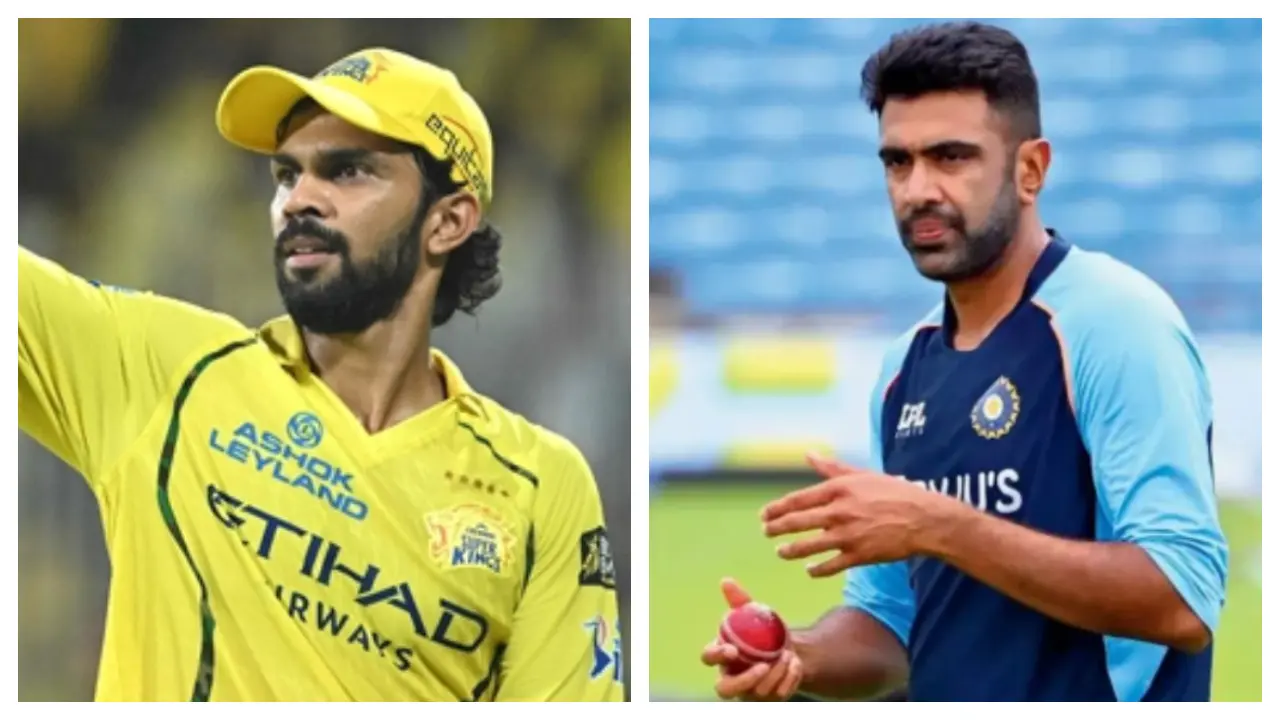
The roar of the IPL crowd often drowns out the whispers of change, but for Chennai Super Kings, the rumblings are growing louder. As the 2026 season progresses, the yellow army finds itself navigating unfamiliar waters, prompting veteran spinner Ravichandran Ashwin to weigh in with a poignant observation: CSK is in a “transition phase post-Dhoni.” It’s a statement that cuts to the heart of their current struggles and offers a crucial perspective on the immense pressure facing skipper Ruturaj Gaikwad.
The Dhoni Shadow: A Legacy Like No Other
For well over a decade, MS Dhoni wasn’t just a captain for CSK; he was the heartbeat, the strategic mastermind, the cool-headed finisher who redefined T20 cricket. His departure from the captaincy – and eventually, the playing XI – left a void that no single player could ever truly fill. Dhoni’s aura, his uncanny ability to pull victories from the jaws of defeat, and his unparalleled leadership created a dynasty. Now, in 2026, the team is experiencing the inevitable shift that follows such a colossal figure. The very essence of “Thala” still looms large, making every decision, every performance, every defeat, feel amplified.
Gaikwad’s Gauntlet: Leading a New Era
Stepping into the captain’s shoes after a legend like Dhoni is arguably one of the toughest gigs in world cricket. Ruturaj Gaikwad, a talented opener with a calm demeanor, inherited this monumental challenge. While he has shown flashes of brilliance, both with the bat and in his leadership, the sheer weight of expectation is palpable. The recent loss to Sunrisers Hyderabad in Chennai offered a stark illustration of the pressures. Gaikwad, usually a fluent scorer, managed just 18 runs off 21 balls, a rare struggle that has drawn criticism from some quarters.
It’s easy for armchair critics to point fingers, but leading a high-stakes franchise in the IPL demands a unique blend of tactical genius, man-management skills, and unwavering self-belief, all while performing individually. Ashwin, a player who has witnessed and participated in countless high-pressure IPL encounters, understands this intimately.
Ashwin Weighs In: The Unseen Burden of Leadership
Speaking about Gaikwad’s situation, Ravichandran Ashwin offered a staunch defense, emphasizing that the burden of leadership in a tournament as demanding as the IPL is “often underestimated.” His comments aren’t just about Gaikwad’s individual form; they speak to the broader systemic shift within the franchise.
“CSK are in a transition phase post Dhoni,” Ashwin stated, a clear acknowledgment that this isn’t merely a slump but a fundamental realignment. A transition phase implies a period of adjustment, experimentation, and potentially, rebuilding. It’s a time when a team tries to find its new identity, forge new partnerships, and establish a new core leadership group, all while competing at the highest level.
What Does a “Transition Phase” Mean for CSK?
For CSK, this means more than just a new captain. It’s about:
* Finding New Anchors: Identifying the next generation of players who can consistently perform under pressure and become the team’s long-term pillars.
* Evolving Tactics: Adapting their playing style and strategies that were perhaps built around Dhoni’s unique capabilities.
* Fan Patience: Asking the incredibly passionate CSK fanbase to understand that immediate glory might not be a given as the team reorients itself.
* Leadership Development: Nurturing Gaikwad and other potential leaders, allowing them space to grow and make mistakes without undue scrutiny.
A transition phase is rarely smooth. It comes with its share of ups and downs, unexpected losses, and moments of brilliance followed by periods of struggle. It’s a natural cycle for any successful sports team that undergoes a significant change in its core.
Looking Ahead: The Road to Reinvention
As IPL 2026 rolls on, CSK’s journey will be closely watched. Gaikwad’s leadership, supported by veterans and guided by the management, will be crucial. Ashwin’s comments serve as a timely reminder that what fans perceive as a simple dip in form is often a deeper, more complex process of evolution. The question isn’t just if CSK can make the playoffs this season, but how successfully they can navigate this pivotal “transition phase” to lay the groundwork for their next era of dominance.
Why This Matters
Understanding CSK’s “transition phase” isn’t just about one team; it highlights the cyclical nature of success in professional sports. It underscores the immense challenge of replacing iconic figures and the often-unseen pressures on new leaders. For fans and analysts alike, it’s a call for patience and a deeper appreciation of the complex dynamics that shape a team’s journey through reinvention.