## Key Takeaways
– Nineteen-year-old Mirra Andreeva secured her first Grand Slam championship at the French Open.
– The Russian teen defeated Polish qualifier Maja Chwalinska in straight sets, 6-3, 6-2.
– Andreeva’s victory makes her the youngest women’s singles champion at Roland Garros since Monica Seles in 1992.
## Main Developments
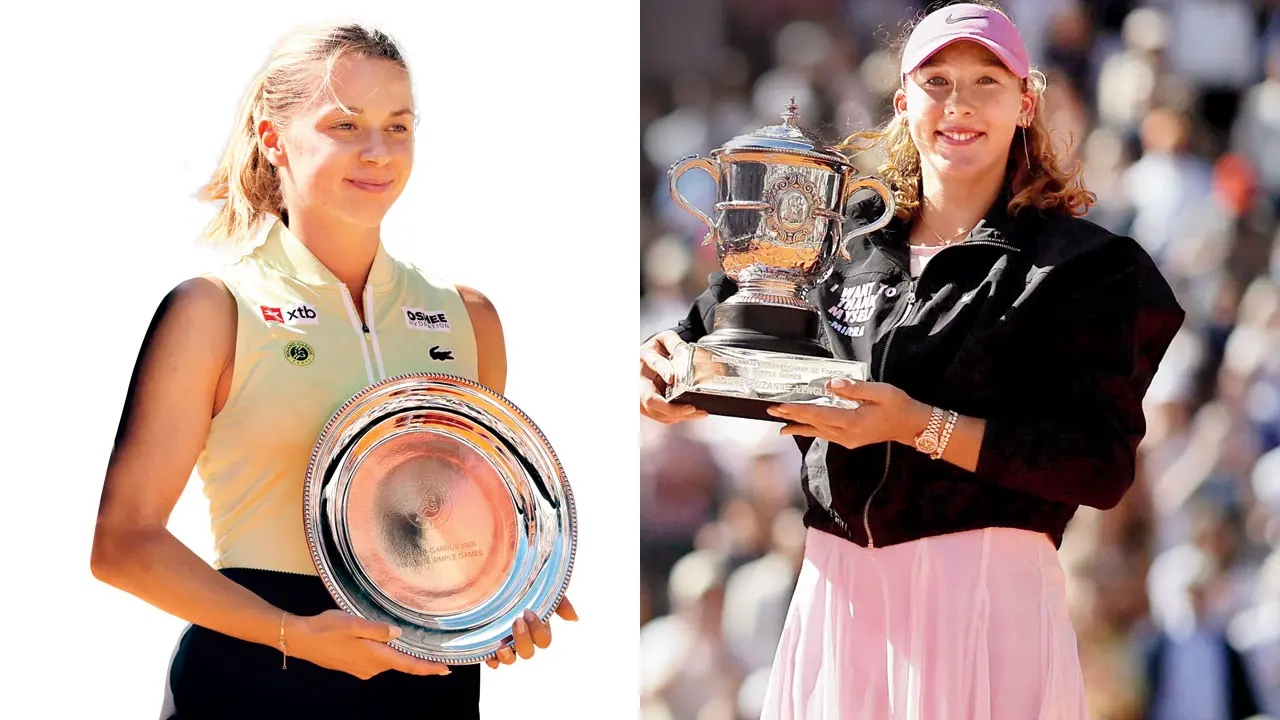
Paris witnessed a significant moment in tennis history this past Saturday as Russian sensation Mirra Andreeva captured her inaugural Grand Slam title, prevailing in the French Open women’s singles final. At just 19 years old, Andreeva delivered a commanding performance, defeating Polish qualifier Maja Chwalinska in straight sets with a final score of 6-3, 6-2.
The victory marks a pivotal achievement in Andreeva’s burgeoning career, signifying her arrival on the sport’s biggest stage. Her triumph at Roland Garros is not only a personal milestone but also a historical one for the tournament. She now holds the distinction of being the youngest women’s singles champion at the French Open since the legendary Monica Seles achieved the feat in 1992. Seles was 18 when she clinched her third consecutive title in Paris that year, setting a formidable benchmark for young talent. Andreeva’s success places her in an exclusive company of players who have demonstrated such precocious talent on the challenging clay courts of Paris.
Andreeva’s path to the championship culminated in a decisive final against Chwalinska, where the young Russian showcased composure and skill beyond her years. The straight-sets victory underscored her dominance throughout the match, reflecting a mature game plan and execution under pressure. Her consistent play and ability to control the rhythm of the game were evident as she steadily built her lead against her determined opponent.
Following her monumental win, Andreeva expressed a profound sense of accomplishment and disbelief. She shared that securing the Roland Garros crown had been a long-held ambition, articulating, “It’s also a big dream of mine to win this tournament.” This sentiment highlights the personal significance of her achievement, realizing a childhood aspiration on one of tennis’s most hallowed grounds. The French Open, often considered the most physically demanding of the four Grand Slams due to its clay surface, provides a rigorous test for every competitor. To conquer it as a teenager, in one’s first Grand Slam final, speaks volumes about Andreeva’s talent, dedication, and mental fortitude.
The journey to a Grand Slam title is arduous, involving weeks of intense competition against the world’s elite players. For Andreeva, this breakthrough victory is expected to serve as a powerful catalyst for her professional trajectory, potentially propelling her to new heights in the sport. The win provides invaluable experience and confidence, setting a robust foundation for future endeavors on the WTA Tour. Her name is now etched into the annals of French Open history, signaling a bright future for this young star from Russia.
Her rise has been watched with keen interest by tennis enthusiasts and pundits alike, who have observed her steady progression through the professional ranks. This Grand Slam title confirms the immense potential that many had predicted for her. The comparison to Monica Seles is particularly noteworthy, as Seles was a dominant force in women’s tennis during her era, known for her powerful groundstrokes and competitive intensity. For Andreeva to be mentioned in the same breath regarding age and achievement at Roland Garros suggests a similarly promising path ahead.
The final match itself was a display of compelling tennis, with both players demonstrating their capabilities. While Chwalinska, as a qualifier, made a commendable run to the final, it was Andreeva who ultimately rose to the occasion, closing out the match with precision and determination. The atmosphere in Paris on that Saturday would have undoubtedly been electric, celebrating a new champion in the women’s game. As the tennis world looks ahead, all eyes will certainly be on Mirra Andreeva, anticipating her next move and how she will build upon this remarkable maiden Grand Slam triumph.
## Why This Matters
Mirra Andreeva’s French Open victory is a significant event for several reasons, signaling a potential shift in women’s professional tennis. Her success at such a young age, particularly in a Grand Slam, underscores the emergence of a new generation of talent capable of challenging established players. Being the youngest champion at Roland Garros since Monica Seles in 1992 draws a direct parallel to one of the sport’s all-time greats, suggesting Andreeva possesses the rare combination of skill, composure, and competitive drive required for sustained success at the highest level.
This win not only solidifies her position as a formidable force on the WTA Tour but also injects fresh excitement into the sport. Her “childhood dream” realized on a global stage inspires aspiring young athletes and reminds fans of the deep personal connection players have to these prestigious tournaments. For the tennis world, Andreeva’s triumph represents the potential for new rivalries, compelling narratives, and a thrilling future for the sport’s landscape.
## Frequently Asked Questions
##Question 1?
Who did Mirra Andreeva defeat to win her first Grand Slam title?
Answer 1
Mirra Andreeva defeated Polish qualifier Maja Chwalinska in the French Open women’s singles final.
##Question 2?
How old is Mirra Andreeva, and what is the significance of her age in this victory?
Answer 2
Mirra Andreeva is 19 years old. Her victory makes her the youngest women’s singles champion at Roland Garros since Monica Seles, who was 18 when she won her third straight title in 1992.
##Question 3?
What was Mirra Andreeva’s personal sentiment regarding her French Open win?
Answer 3
Mirra Andreeva expressed that winning the French Open (Roland Garros) crown was a “big dream” of hers and had been her “childhood dream.”