## Key Takeaways
– Afghanistan head coach Richard Pybus openly acknowledged significant Decision Review System (DRS) errors made by his team during the one-off Test against India.
– Pybus attributed the missed reviews to a lack of conviction and poor judgment, labelling the team’s performance as “exceptionally rusty.”
– These errors provided crucial reprieves to key Indian batsmen, including KL Rahul, Rishabh Pant, and Shubman Gill, significantly contributing to India’s substantial score of 564 before declaring.
## Main Developments
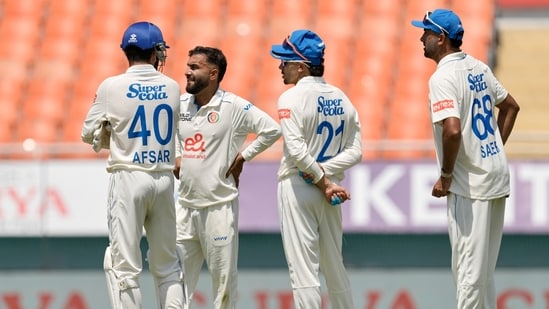
Afghanistan’s head coach, Richard Pybus, has candidly addressed his team’s performance in the recently concluded, or ongoing, one-off Test against India in Mullanpur, specifically highlighting critical errors in their use of the Decision Review System (DRS). Pybus did not shy away from the truth, confirming that Afghanistan’s challenges of on-field decisions were “messed up” during the initial two days of the high-stakes match.
The coach articulated a clear issue of indecision within the team regarding the use of reviews. He noted a “lack of conviction” and “poor judgment” when it came to challenging umpire calls, which ultimately played a significant role in Afghanistan finding themselves in a difficult position in the Test match. This direct assessment underscores the seriousness with which Pybus views the tactical missteps.
These lapses in judgment had tangible consequences on the scoreboard, directly benefiting India’s batting lineup. On the first day of play, opening batsman KL Rahul, who went on to score a century, was granted a reprieve after surviving an edge that Afghanistan failed to review effectively. This early missed opportunity set a challenging tone for the visiting side.
The pattern of missed chances continued into the second day. Indian batsmen Rishabh Pant and Shubman Gill also received crucial reprieves, capitalising on Afghanistan’s reluctance or inability to challenge on-field calls. These instances of missed reviews allowed the Indian batters to extend their stays at the crease, compounding Afghanistan’s difficulties. India, taking full advantage of these additional opportunities, amassed a formidable total of 564 runs before declaring their innings.
Pybus’s commentary suggests a broader issue than just individual mistakes. His remark, describing the team as “exceptionally rusty,” hints at a preparation or match readiness concern that permeated their decision-making process during critical moments. In modern Test cricket, the DRS is an integral strategic tool, offering teams a chance to correct perceived umpiring errors and seize momentum. Afghanistan’s inability to utilise this system effectively proved costly against a strong Indian side.
The coach’s frankness in accepting these shortcomings is noteworthy. He did not attempt to deflect blame but rather acknowledged the reality of the situation, stating he “didn’t mince his words.” This direct approach from the head coach is indicative of a desire to confront and rectify issues transparently. Such honesty, while perhaps difficult for the players, is often seen as a necessary step towards improvement and accountability within a professional sports team. The impact of these DRS failures extended beyond individual dismissals, potentially affecting the overall flow and strategy of the game for Afghanistan, leading them to be “down and out” early in the Test.
## Why This Matters
The meticulous use of the Decision Review System has become a cornerstone of strategy in contemporary Test cricket. For Afghanistan, a relatively newer Test-playing nation, mastering such intricate aspects of the game is crucial for competitive parity. The acknowledged DRS errors are not merely isolated incidents but represent fundamental lapses in tactical execution and collective decision-making, which can dictate the entire trajectory of a match.
When a team fails to convert potential dismissals into wickets due to incorrect review calls, it gives opponents invaluable opportunities, often allowing them to build substantial scores that become exceedingly difficult to chase or surpass. The reprieves granted to established batsmen like KL Rahul, Rishabh Pant, and Shubman Gill directly translated into a massive Indian total, placing Afghanistan under immense pressure very early in the one-off Test. This scenario underscores how critical every tactical decision, especially those involving technology, has become in high-level cricket.
Coach Richard Pybus’s candid assessment highlights the importance of mental fortitude and conviction under pressure. Teams must have a clear strategy for DRS usage, impeccable communication between players and captain, and the confidence to challenge calls when justified. The “exceptionally rusty” label suggests that these fundamental elements might have been lacking, impacting not just the immediate match result but also the team’s overall development in the longer format of the game. Addressing these issues will be vital for Afghanistan to evolve as a formidable Test side capable of competing consistently against top-tier cricketing nations.
## Frequently Asked Questions
### What is the Decision Review System (DRS) and why is it important in cricket?
The Decision Review System (DRS) allows teams to challenge decisions made by on-field umpires. It is important because it provides an opportunity to correct clear errors, ensuring fair play and potentially changing the course of a match by overturning dismissals or non-dismissals.
### Who is Richard Pybus and what was his role in the match?
Richard Pybus is the head coach for the Afghanistan cricket team. In the context of the match against India, he publicly addressed and critiqued his team’s performance, specifically their significant errors in using the Decision Review System.
### What was the immediate impact of Afghanistan’s DRS errors on the match against India?
The immediate impact was that Indian batsmen, including KL Rahul, Rishabh Pant, and Shubman Gill, were granted reprieves after Afghanistan failed to review correctly. These missed opportunities allowed India to score a substantial total of 564 runs before declaring, putting Afghanistan at a significant disadvantage.