The dust may have settled on the West Bengal Assembly Election 2026 results, but for many, the real story is just beginning to unfold. A deep dive into the polling data, meticulously scrutinised at both constituency and booth levels, is now surfacing a series of troubling trends and serious questions that demand public attention. It’s not just about who won; it’s about *how* the game was played, and whether the process upheld the democratic principles it was meant to embody.
### A Battle of Titans: Bhabanipur & Nandigram
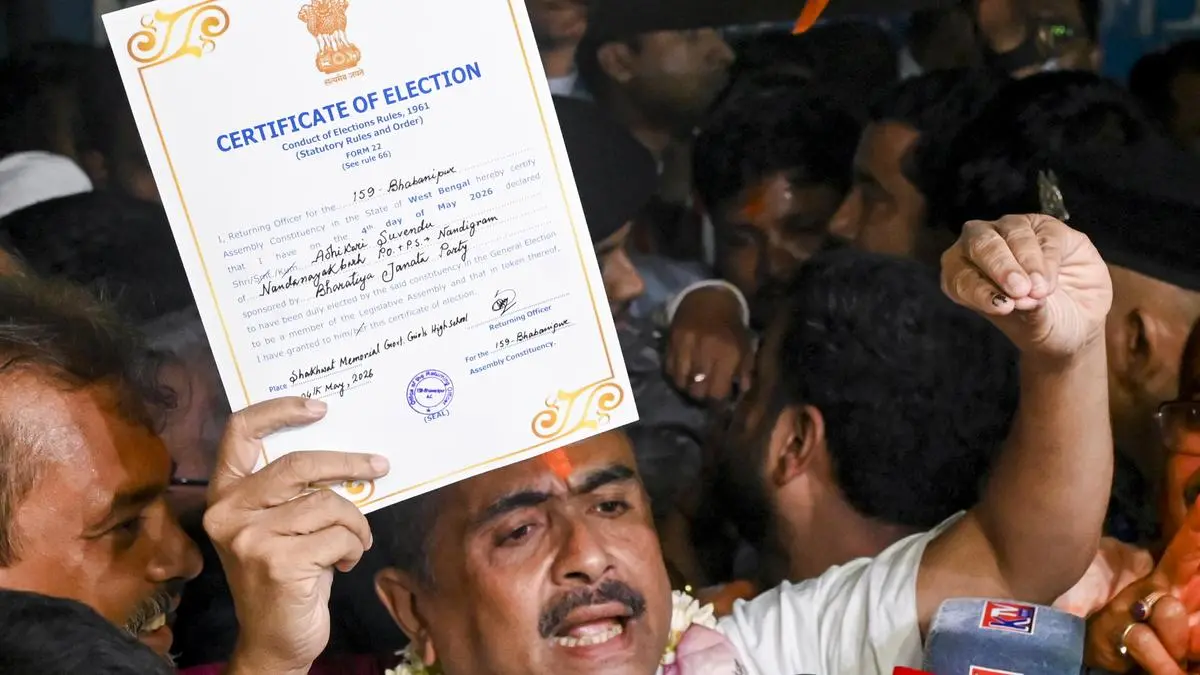
The headlines loudly proclaimed the victories, most notably that of BJP candidate Suvendu Adhikari, who clinched wins in both the high-stakes Bhabanipur and Nandigram constituencies. This dual triumph was a significant moment, announced from Kolkata on Monday, May 4, 2026. However, beyond the celebratory photos and victory speeches, a closer examination of the electoral mechanics reveals a landscape riddled with anomalies that challenge the narrative of a straightforward democratic exercise.
### Unpacking the Anomalies: More Than Meets the Eye
For those watching closely, several visible red flags emerged during the election cycle. These weren’t isolated incidents but rather systemic issues that, when pieced together, paint a concerning picture. We’re talking about everything from how voter lists were managed to the conduct of forces on the ground, and even the very oversight of the election itself.
### The Mystery of Missing Voters: Special Intensive Revision
One of the most significant concerns revolves around the “Special Intensive Revision (SIR) exercise.” This process, intended to update electoral rolls, reportedly led to “large-scale deletions” of voters. While cleaning up voter lists is crucial, deletions on such a grand scale raise immediate alarms. Were these deletions legitimate purges of ineligible voters, or did they inadvertently, or even deliberately, disenfranchise a significant portion of the electorate? The transparency and justification behind these mass removals are now under intense scrutiny, questioning the integrity of the foundational voter base.
### Uneven Rules of Engagement: Model Code of Conduct
The “Model Code of Conduct (MCC)” is designed to ensure a level playing field for all political parties and candidates. It sets guidelines for everything from campaign speeches to government announcements, preventing misuse of power during elections. However, reports suggest a “biased implementation” of the MCC in West Bengal. If the rules are applied differently to various parties or candidates, it inherently undermines the fairness of the competition, creating an environment where some are unfairly advantaged or disadvantaged. This perceived bias can erode public trust in the impartiality of the electoral authorities.
### A Sea of Uniforms: The Paramilitary Presence
Elections in India often see the deployment of security forces to maintain law and order. Yet, the West Bengal elections witnessed an “unusually large and active presence of paramilitary forces.” While security is paramount, an excessive or overbearing presence can sometimes lead to an atmosphere of intimidation rather than reassurance. Questions are being raised about the necessity and the operational protocols governing such a substantial deployment, and whether it inadvertently influenced voter turnout or behavior in certain areas.
### ECI’s Grip: An Unprecedented Administrative Shift
Perhaps one of the most striking aspects was the “unprecedented takeover of the State administration by Election Commission of India (ECI)-appointed officers.” While the ECI has a mandate to ensure free and fair elections, this level of administrative intervention goes beyond typical oversight. It effectively sidelined state officials in many key roles, leading to concerns about state autonomy and the delicate balance of power during an election period. The extent of this intervention and its impact on local governance and election-related decisions require a thorough review.
### Shadows on Polling Day: Disturbing Incidents
Beyond these systemic concerns, the polling and counting days themselves were reportedly marred by “disturbing incidents.” While the specific nature of these incidents isn’t detailed in this initial assessment, such reports typically refer to everything from clashes and voter intimidation to allegations of ballot tampering or procedural irregularities. These on-the-ground disruptions, regardless of their scale, contribute to a sense of unease and further fuel doubts about the overall fairness of the election process.
### The Unseen Layer: A Deeper Investigation
This examination, while focusing on the visible and readily apparent issues, also hints at something more. As suggested in an earlier part of this investigation, there might be “one factor that is not obvious” yet contributes to the troubling trends. This suggests that even with the manifest issues laid bare, there could be deeper layers of complexity or hidden influences at play that warrant continued, rigorous investigation.
### Why This Matters
These revelations aren’t just academic exercises for political pundits. They strike at the very heart of democratic integrity. When the processes underpinning an election – voter registration, rule enforcement, security presence, and administrative oversight – face such profound questions, it erodes public confidence. A robust democracy relies on transparent, fair, and unquestionable elections. The findings from West Bengal’s 2026 Assembly polls serve as a critical reminder that constant vigilance is necessary to safeguard the legitimacy of our democratic institutions.