
The ripples of instability emanating from West Asia are once again making waves across the globe, and for India, these aren’t just abstract headlines. The ongoing crisis, initially an energy-driven shock, is now manifesting as tangible economic pressure, particularly on the most vulnerable segments of its population: farmers, women, and youth. A recent analysis by Shruti Jain, an associate fellow at the Centre for Development Studies, Observer Research Foundation (ORF), underscores the wide-ranging socio-economic implications already straining India’s vital supply chains and macroeconomic indicators.
### The Choke Point: Strait of Hormuz
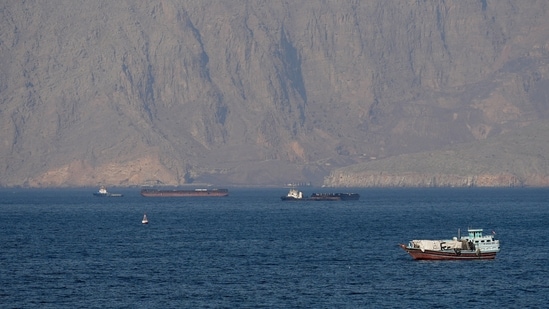
At the heart of this global economic vulnerability lies the Strait of Hormuz. This narrow waterway, a critical chokepoint, serves as the artery for an astonishing 38% of the world’s crude oil, alongside 13% of essential chemicals like fertilisers, and 2.4% of dry bulk cargo, which includes vital grains. Any destabilisation in this region doesn’t just send oil prices soaring; it creates a domino effect across international trade, impacting everything from manufacturing to food supply. For a rapidly developing nation like India, heavily reliant on global trade for energy and raw materials, such disruptions are not merely an inconvenience, but a significant economic threat.
### Macroeconomic Strain: Inflation and Supply Chains
The immediate fallout for India has been a noticeable strain on its supply chains. Increased shipping costs, delays, and uncertainty translate directly into higher import bills for crucial goods. This, coupled with soaring global energy prices, fuels domestic inflation, eroding purchasing power and impacting the common citizen’s budget. The ripple effect touches everything from the cost of transportation for goods within India to the price of everyday commodities on market shelves. The government faces a delicate balancing act: managing inflation while trying to maintain economic growth amidst external shocks.
### Farmers on the Frontlines
Among the first to feel the pinch are India’s millions of farmers. Agriculture, the backbone of the Indian economy, is highly susceptible to external shocks. Higher crude oil prices mean an immediate surge in diesel costs, which farmers rely heavily on for powering tractors, irrigation pumps, and transporting produce to mandis (markets). This directly inflates their operational expenses.
Furthermore, the Strait of Hormuz is a key transit point for chemicals, including fertilisers. Disruptions here translate to higher fertiliser prices, a critical input for crop yields. With increased costs for fuel and fertilisers, farmers’ profit margins shrink, making farming less viable and potentially leading to reduced harvests or financial distress. This economic stress can have a profound impact on food security and rural livelihoods across the country.
### Women: Unseen Burdens, Greater Resilience
Women in India often bear a disproportionate share of the burden during economic downturns. As household managers, they are the first to grapple with rising food prices and increased utility bills. The pressure to manage household budgets with diminishing purchasing power intensifies, often leading to cuts in essential spending on nutrition, education, or healthcare.
For women involved in small businesses or the informal sector, economic instability can mean reduced demand for their goods or services, leading to job losses or decreased income. Many women, especially in rural areas, are part of the agricultural workforce and are directly affected by the financial strain on farming households. The added stress of navigating a more expensive world can also take a toll on mental health and overall well-being.
### Youth’s Future at Stake
The youth of India, striving for education and employment, also face a precarious future amidst the crisis. A tightening economy often translates to a more competitive and stagnant job market, with fewer new opportunities emerging. Industries impacted by supply chain issues and high energy costs may scale back hiring or even implement layoffs, directly affecting young graduates and those seeking entry-level positions.
The rising cost of living, driven by inflation, impacts young individuals trying to establish independence. Higher fuel and transport costs affect daily commutes, while increased prices for education materials or vocational training can hinder skill development. Economic uncertainty can also fuel concerns about social mobility and future prospects, potentially leading to widespread disillusionment among a demographic crucial for India’s long-term growth.
### India’s Balancing Act
The crisis in West Asia underscores the interconnectedness of the global economy and highlights India’s vulnerability to geopolitical events far from its borders. While the government works to diversify energy sources, strengthen domestic supply chains, and implement policies to cushion the blow, the immediate future demands resilience from its citizens. The analysis from ORF emphasizes that understanding these complex interdependencies is crucial for navigating such turbulent times.
### Why This Matters
This isn’t just about geopolitics; it’s about real people and their daily struggles. The price of a barrel of oil in the Strait of Hormuz eventually translates to the price of a plate of food for an Indian family, the viability of a farmer’s livelihood, and the job prospects for a young graduate. Recognizing these links is the first step towards building a more resilient and equitable society, capable of weathering global storms and protecting its most vulnerable.