
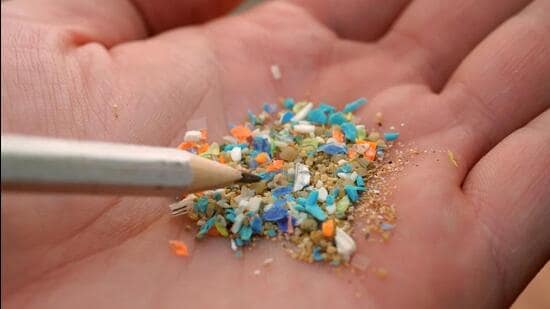
Plastic microparticles were discovered inside human brain tissue by a neuropathologist in December 2024, highlighting a new dimension of pollution.
## Key Takeaways
– Plastic particles have been identified within human brain tissue.
– The discovery was made by a neuropathologist during a tissue examination.
– Humans absorb plastic primarily through ingestion and inhalation.
## Main Developments
In December 2024, neuropathologist Elaine Bearer from the University of New Mexico made a significant finding during her examination of brain tissue. She identified unusual brown, lumpy formations that were not typical biological structures like blood vessels or clots. These formations were subsequently confirmed to be plastic.
This discovery highlights a shift in understanding plastic pollution. Initially viewed as an external environmental issue affecting rivers and drains, plastic is now recognized as an internal human concern.
Research indicates that plastic enters the human body mainly through two routes. These pathways are primarily through the act of eating and by breathing in plastic particles.
## What Next
The source article indicates that human exposure to plastic can be reduced. However, it does not detail specific methods, ongoing research, or upcoming initiatives related to this reduction. Therefore, no further developments can be reported at this time based solely on the provided information.
## Why This Matters
The presence of plastic within human brain tissue signifies a critical evolution in the perception of plastic pollution. It is no longer solely an environmental challenge external to us.
This finding establishes plastic as an internal biological issue, directly impacting human physiology. Understanding how plastic infiltrates and exists within the body is crucial for assessing potential long-term health implications.
## Frequently Asked Questions
### What was found inside human brain tissue?
Plastic particles were discovered within human brain tissue. These were initially observed as “strange brown lumpy things” during a tissue examination.
### Who made the discovery of plastic in brain tissue?
Neuropathologist Elaine Bearer from the University of New Mexico made this discovery. Her findings were documented in December 2024.
### How does plastic enter the human body?
Plastic primarily enters the human body through two main routes. These include the ingestion of plastic particles and the inhalation of plastic microfibers or dust.