In the high-stakes theatre of Indian politics, a curious paradox continues to unfold. While the ruling Bharatiya Janata Party (BJP) often garners headlines for its formidable financial resources and robust organizational machinery, a deeper truth is emerging. Their greatest advantage might not solely lie in their own might, but in the internal struggles and missteps of the very forces meant to challenge them: the opposition.
A House Divided
The landscape of opposition parties in India frequently resembles a battleground more than a unified front. Rather than presenting a cohesive alternative, many groups appear consumed by a political myopia, prioritizing old grievances and internal rivalries over the pressing needs of the nation. This dynamic has left many observers questioning if the opposition is, in essence, letting India down.
A stark example of this played out recently, following the ouster of Mamata Banerjee from power in West Bengal. Instead of focusing on the broader implications for democratic health, a palpable glee reportedly rippled through segments of the Congress and the Left. The prevailing sentiment seemed to be one of vindication, a “revenge” for Banerjee’s perceived “betrayal” dating back to 2012, when she severed an alliance that had ended decades of Left rule.
Missing the Bigger Picture
This preoccupation with settling old scores comes at a significant cost. While opposition leaders revel in the downfall of a regional rival, critical national issues often fade into the background. We’re talking about real, tangible problems like mass disenfranchisement, the escalating dangers of communal polarization, and the worsening economic woes that impact millions of ordinary Indians daily.
The question then arises: Who is mobilizing the people against these very real crises? Unfortunately, a fractured opposition, caught up in its own internal dramas, often misses the opportunity to channel public discontent into meaningful political action. Their energies, instead, are diverted towards “alliance sabotage” and what some term “fantasies of revolt” – internal power plays that ultimately benefit no one but the dominant party.
Democracy Hollowed Out in Plain Sight
This isn’t merely about political strategy; it’s about the health of India’s democracy. When the opposition is distracted by its own infighting, the process of holding the government accountable weakens. Critical legislative debates lose their sting, public discourse becomes less vibrant, and the checks and balances essential for a functioning democracy start to erode.
It’s a chilling thought: democracy, arguably, is being “hollowed out in plain sight,” not just by the actions of the ruling party, but by the inability of the opposition to effectively counter them. Their inability to forge a united front, to articulate a compelling alternative vision, leaves a vacuum that the BJP readily fills.
The Congress and The INDIA Bloc’s Challenge
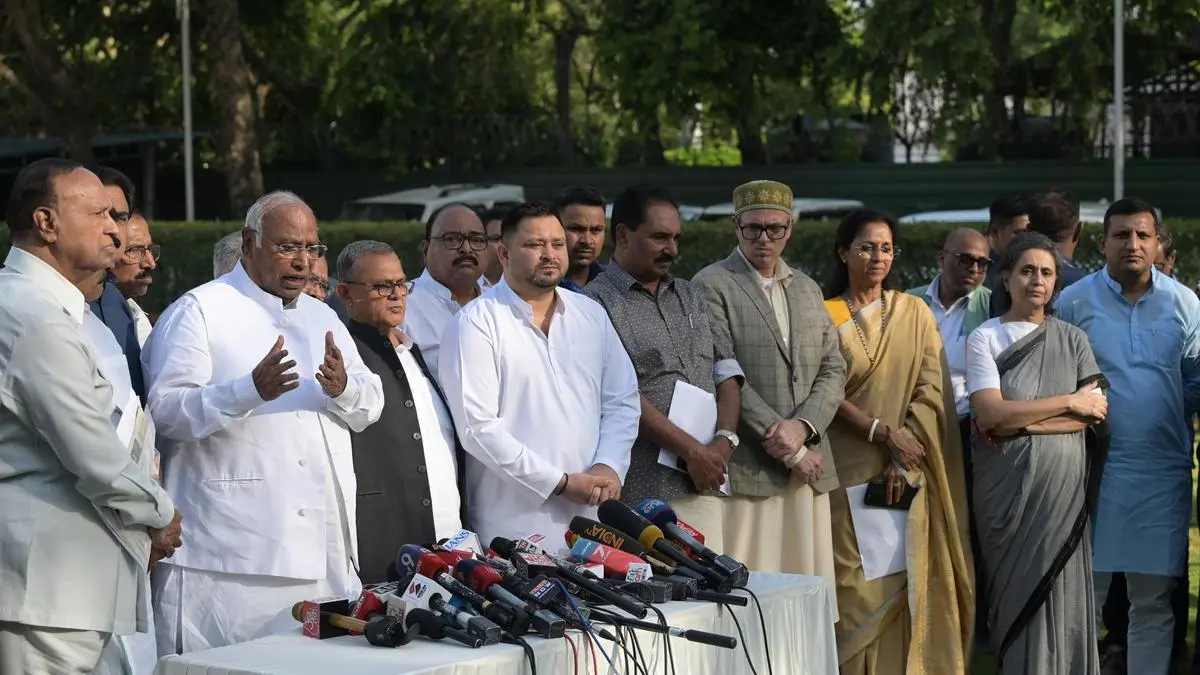
For the Congress, the nation’s historically dominant party, and the broader INDIA bloc, the challenge is particularly acute. Meetings, like the one held by Congress president Mallikarjun Kharge in April 2026 to discuss a united strategy on the Women’s Reservation Bill and parliamentary seat expansion, highlight the *intent* for unity. Yet, the follow-through often falters, undermined by historical animosities and competing regional ambitions.
The pursuit of revenge politics, rather than future-focused collaboration, paints a concerning picture. As long as opposition parties prioritize petty squabbles and the settling of old scores over the urgent task of collective mobilization against pressing national issues, they inadvertently strengthen the very government they aim to unseat.
Why This Matters
A robust and unified opposition is the cornerstone of a healthy democracy. When opposition forces are fragmented, consumed by internal feuds, and unable to effectively articulate and fight for the concerns of citizens, the balance of power shifts dramatically. This not only weakens accountability but can lead to a less representative and less responsive government, ultimately impacting every citizen’s rights, freedoms, and well-being. The future of India’s democratic fabric hinges on its opposition finding common ground and a coherent vision.