Prime Minister Narendra Modi’s recent visit to the United Arab Emirates wasn’t just another photo-op on the diplomatic circuit. Insiders suggest it’s a telling sign that India’s foreign policy is finally stepping out of the shadows of its past, embracing a sharper, more strategic vision for its future.
Shedding Old Habits, Embracing Realism
For decades, India navigated a complex global landscape, often characterized by a cautious approach. However, the world is shifting dramatically. We’re witnessing a landscape fractured by ongoing conflicts, an energy crisis that shows no signs of abating, supply chains that can snap at a moment’s notice, and the hardening of geopolitical blocs. In such a volatile environment, nations that hesitate to forge strong, lasting partnerships risk seeing their influence wane.
India, it seems, is acutely aware of this stark reality. The era of diplomatic ambiguity appears to be giving way to one of “strategic realism.” This isn’t about choosing sides blindly, but rather about identifying national interests, understanding global power dynamics, and actively building relationships that bolster India’s position and security in an unpredictable world.
A World in Flux Demands New Strategies
Consider the backdrop: wars rage, energy supplies are precarious, and the flow of goods across continents faces constant threats. These aren’t minor inconveniences; they are fundamental challenges that can cripple economies and destabilize regions. For a rapidly growing nation like India, with its vast energy needs and global trade ambitions, these factors demand a robust and proactive foreign policy. Relying on past frameworks simply won’t cut it anymore.
Durable strategic partnerships are no longer a luxury; they are a necessity. They offer a buffer against economic shocks, enhance security, and provide platforms for collaborative growth. India’s recent engagement with the UAE highlights this understanding, signaling a deliberate move towards strengthening ties with key global players who share common interests or can contribute to India’s stability and progress.
The UAE Connection: More Than Just a Meeting
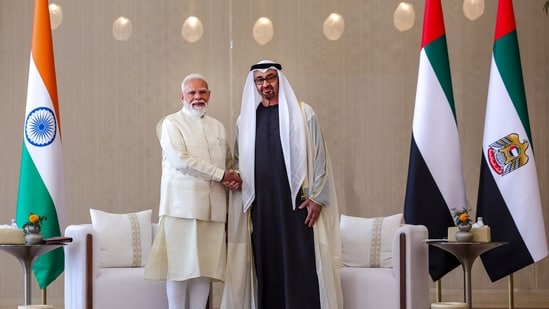
The visit saw Prime Minister Narendra Modi meeting with the UAE President. While the specifics of their discussions aren’t detailed in the immediate reports, the very act of this high-level engagement underscores the deepening strategic importance India places on its relationship with the Emirates. The UAE, a vital energy hub and a significant economic partner, stands as a crucial pivot in this evolving Gulf doctrine. This interaction isn’t just about bilateral trade; it’s about cementing a partnership that can withstand global pressures and advance shared regional and international goals.
Why This Matters
This strategic shift isn’t just about diplomatic posturing; it has real-world implications for India’s economy, security, and global standing. By actively building strong, realistic partnerships, India is fortifying its position in a turbulent world. It signals a readiness to protect its interests and ensure its future prosperity, moving from a cautious bystander to a decisive global actor. This evolving Gulf doctrine could redefine India’s role on the world stage for years to come.