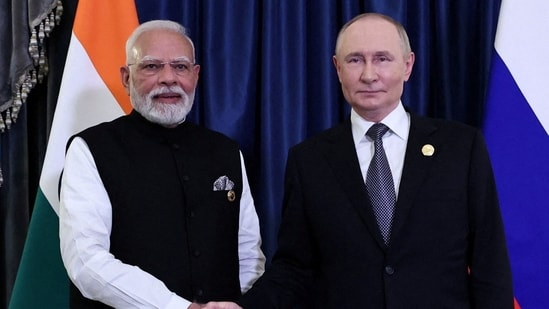
The world feels like it’s constantly spinning faster, with new headlines every day that ripple across continents. In this whirlwind of global change, one crucial relationship continues to capture attention: the energy partnership between India and Russia. Far from being a simple business transaction, this tie is a fascinating case study in how nations navigate a complex, unpredictable geopolitical landscape to secure their future.
Geopolitical Crossroads: Where Energy Meets Uncertainty
Forget the predictable world we once knew. Today’s global stage is a dynamic, often turbulent place defined by shifting alliances, escalating tensions, and an overriding sense of strategic uncertainty. This isn’t just diplomatic jargon; it has very real, tangible impacts on everything from the price of your petrol to the stability of entire economies.
For nations like India, a rapidly developing powerhouse with an insatiable appetite for energy, these shifts are more than just news — they’re a fundamental challenge to national security and economic growth. Energy, after all, isn’t a luxury; it’s the lifeblood of modern society. And when that lifeblood faces disruptions, the effects are profound and deeply concerning.
Sanctions, Shocks, and Supply Chains Under Strain
A major player in this new global reality is the rise of sanctions regimes. These economic tools, often wielded to assert political will, have fundamentally reshaped global trade flows. Suddenly, what was once a straightforward transaction becomes fraught with complexities, payment hurdles, and political sensitivities.
Simultaneously, we’re seeing unprecedented disruptions to supply chains. Whether it’s due to regional conflicts, natural disasters, or the lingering effects of global health crises, getting essential resources from point A to point B is no longer a given. For a nation heavily reliant on imported energy, like India, this creates a constant high-wire act, balancing immediate needs with long-term strategic resilience.
When Economics Becomes a Weapon
Adding another layer of complexity is the growing trend of using economic interdependence itself as a strategic tool. Nations are increasingly leveraging their economic muscle – be it through trade restrictions, tariff barriers, or control over vital resources – to assert their pre-eminence on the world stage. This creates an environment of systemic volatility, where economic stability can feel like it’s hanging by a thread, vulnerable to geopolitical maneuvering.
In such a landscape, traditional partnerships are tested, and new alignments emerge, often out of necessity. It’s a game of strategic chess, where every move on the geopolitical board has a direct impact on energy markets and national budgets.
India’s Delicate Balancing Act
For India, the world’s third-largest energy consumer, securing a stable and affordable energy supply is paramount. Its rapidly expanding economy and growing population demand reliable access to oil, gas, and other resources. Russia, a major global energy producer, has historically been a significant partner.
However, in the face of widespread sanctions against Russia and immense pressure from Western nations, India finds itself in a challenging position. It needs to ensure its energy security without alienating key international partners or undermining its own strategic autonomy. This involves a delicate balancing act: purchasing discounted Russian energy to meet domestic demand and manage inflation, while simultaneously diversifying its energy sources and strengthening ties with other global suppliers.
This pragmatic approach isn’t a political statement as much as it is an economic imperative. India’s decision-making is driven by its national interest: ensuring its citizens have access to the energy they need to thrive, even amidst global turbulence. It’s a testament to its independent foreign policy, prioritizing its own developmental needs above external pressures.
The Resilience (and Evolution) of a Partnership
Despite the external pressures, the India-Russia energy partnership has shown considerable resilience, albeit with necessary adaptations. Transactions have become more complex, involving alternative payment mechanisms and logistical adjustments. Both nations understand the strategic value of this relationship – Russia needs markets for its energy, and India needs reliable suppliers.
Looking ahead, this partnership isn’t just about traditional fossil fuels. There’s a growing scope for collaboration in renewable energy, nuclear power, and technological exchanges, reflecting a broader global shift towards cleaner energy. However, the foundational challenges of geopolitical volatility and supply chain security will continue to shape its trajectory.
Why This Matters
Understanding the India-Russia energy partnership goes beyond geopolitics; it offers a window into how nations navigate a fractured world. It shows us how economic needs can drive strategic decisions, how global power dynamics directly impact everyday life, and how countries adapt to maintain stability in an era of constant change. For India, it’s about powering its future; for the world, it’s a crucial indicator of shifting global alignments and the quest for energy security in an increasingly uncertain age.